
The footlocker
What the paperwork says, and what it cannot settle
None of these documents agrees with all the others about exactly what happened, or exactly how many times it happened. The book stopped trying to resolve that. A family kept everything anyway.
Seven numbers
And what each one counts
Every figure below is documented. No two of them count the same thing. Choose one and the mission record answers — or declines to. Fourteen captains’ charts survive in the locker; the list opens on those.
The 95th Bomb Group’s own crew record, from Chemnitz on 14 February to Oranienburg on 20 April. Lieutenant Colonel Robert Stuart certified the same figure on 8 May 1945, with 208 combat hours. Frank and Joyce numbered the scrapbook to twenty-eight, mission for mission.
14 of 28 on a chart in the locker
- 01Chemnitz44-6838 Spirit of Martinez
- 02Cottbus44-6838 Spirit of Martinez
- 03Osnabrück44-6838 Spirit of Martinez
- 04Nuremberg44-6838 Spirit of Martinez
- 05Nuremberg44-6838 Spirit of Martinez
- 06Bamberg44-6838 Spirit of Martinez
- 07Bremen44-6838 Spirit of Martinez
- 08Munich44-6838 Spirit of Martinez
- 09Leipzig44-6838 Spirit of Martinez
- 10Brunswick44-6838 Spirit of Martinez
- 11Ulm / Baumenheim44-6838 Spirit of Martinez
- 12Dortmunderfeld44-6838 Spirit of Martinez
- 13Swinemünde44-6838 Spirit of Martinez
- 14Seelze44-6838 Spirit of Martinez
Decorations
- Distinguished Flying CrossRibbon present; citation not located
- Air MedalGO 289 · 27 February 1945
- Air Medal, oak leaf clusterGO 482 · 15 March 1945
- Air Medal, second clusterGO 638 · 28 March 1945
- Air Medal, third clusterGO 720 · 7 April 1945
- EAME Campaign MedalCentral Europe, Ardennes, Western Europe
Objects


The plates
Photographs and objects the family kept. Each one has its own address. The mission reports document targets, tonnage, losses, and times. These document a dirt strip, a wet street, a handshake, a name on the nose, and the papers that would not agree.
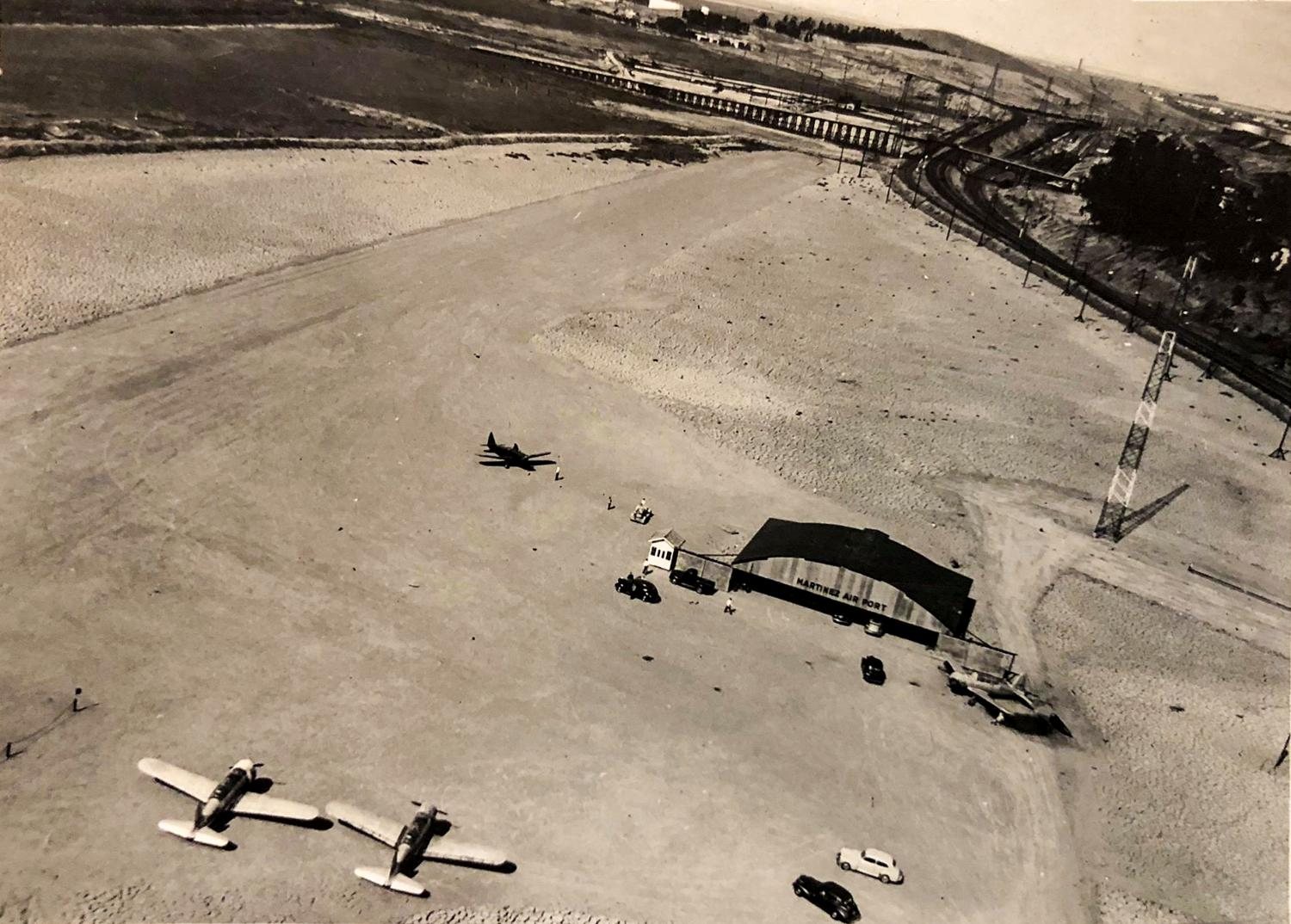
Photograph · c. 1940
Martinez Airport from the air
Beatie family collection
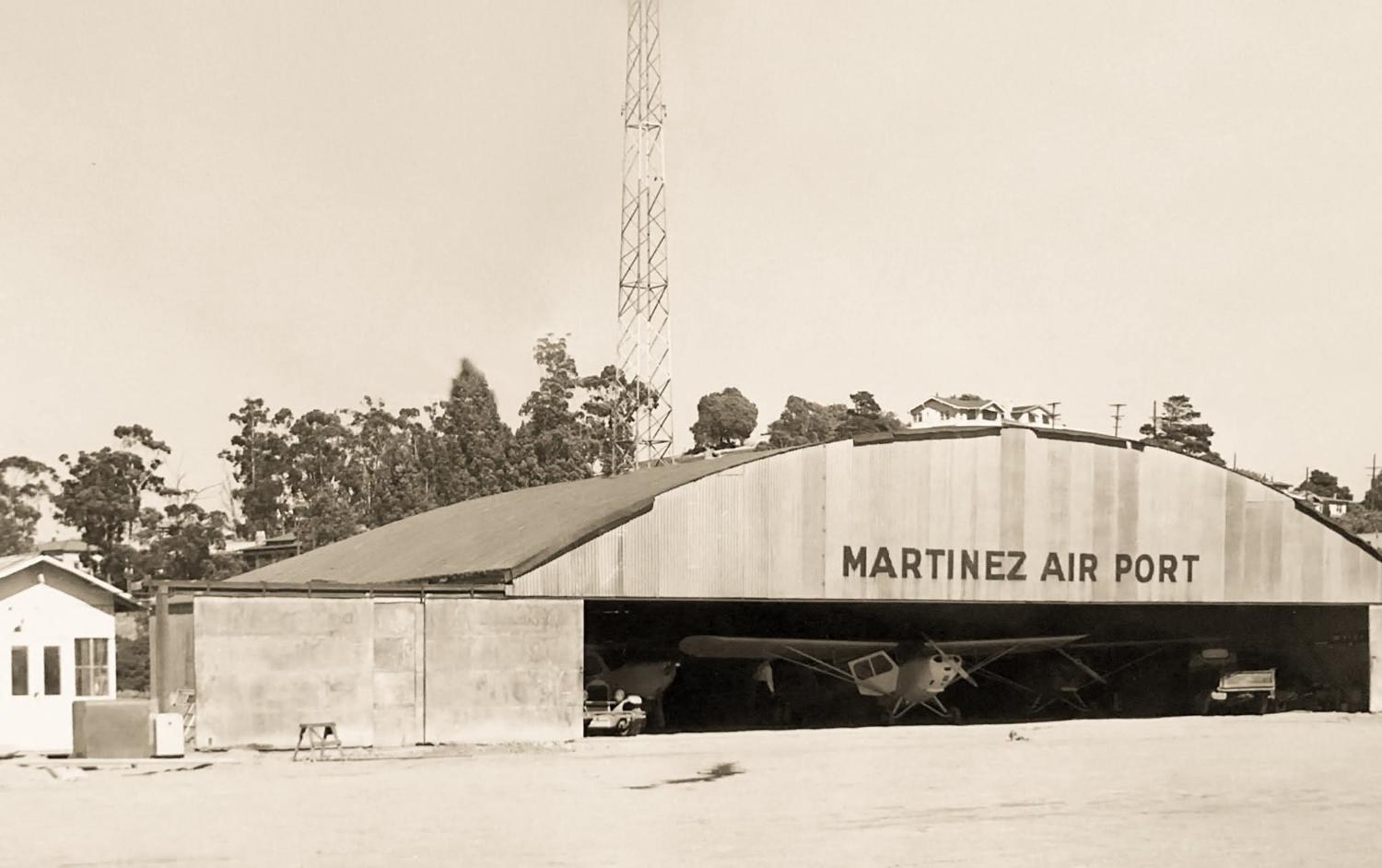
Photograph
Martinez Air Port
Beatie family collection
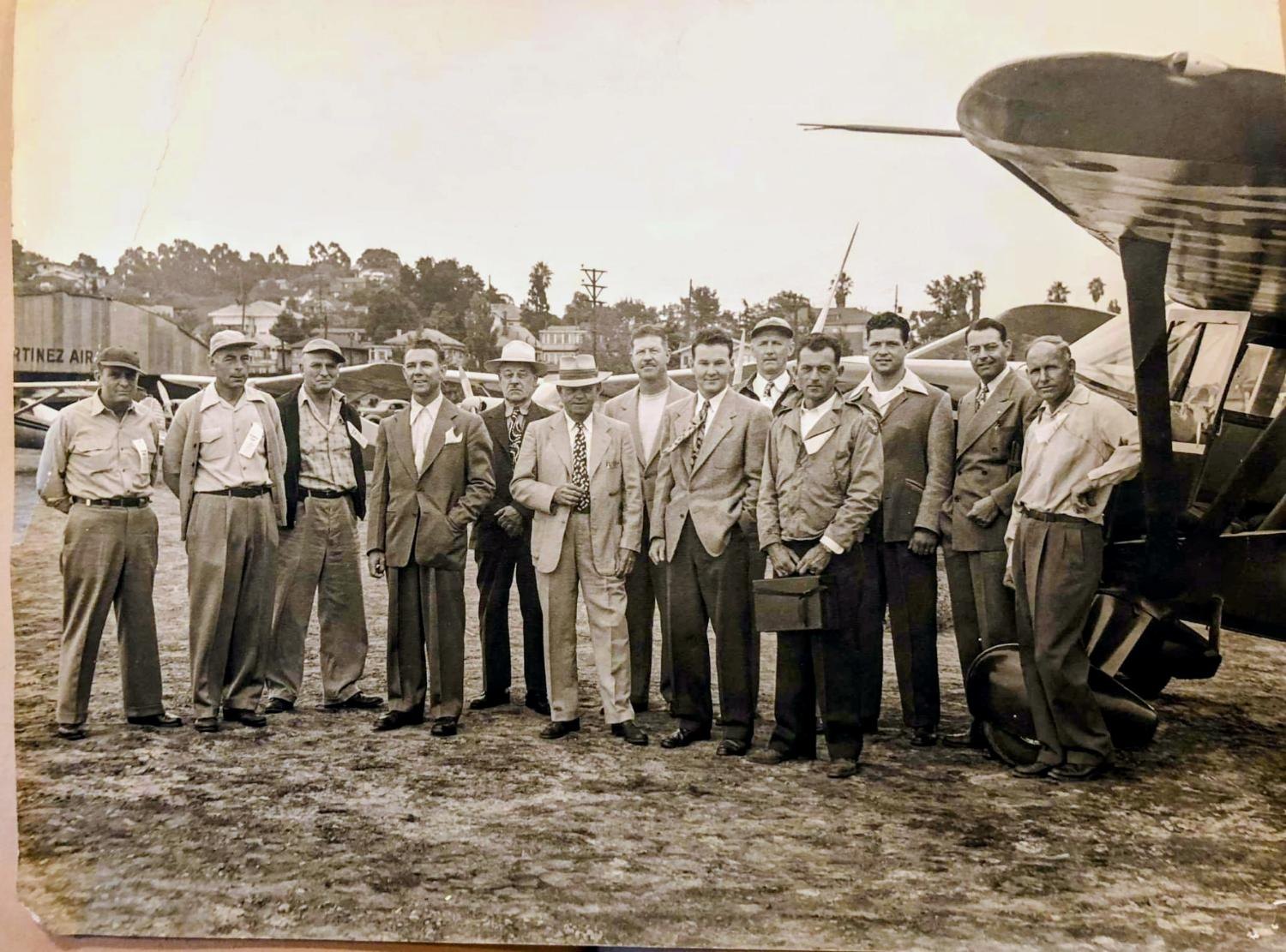
Photograph
On the fill
Beatie family collection
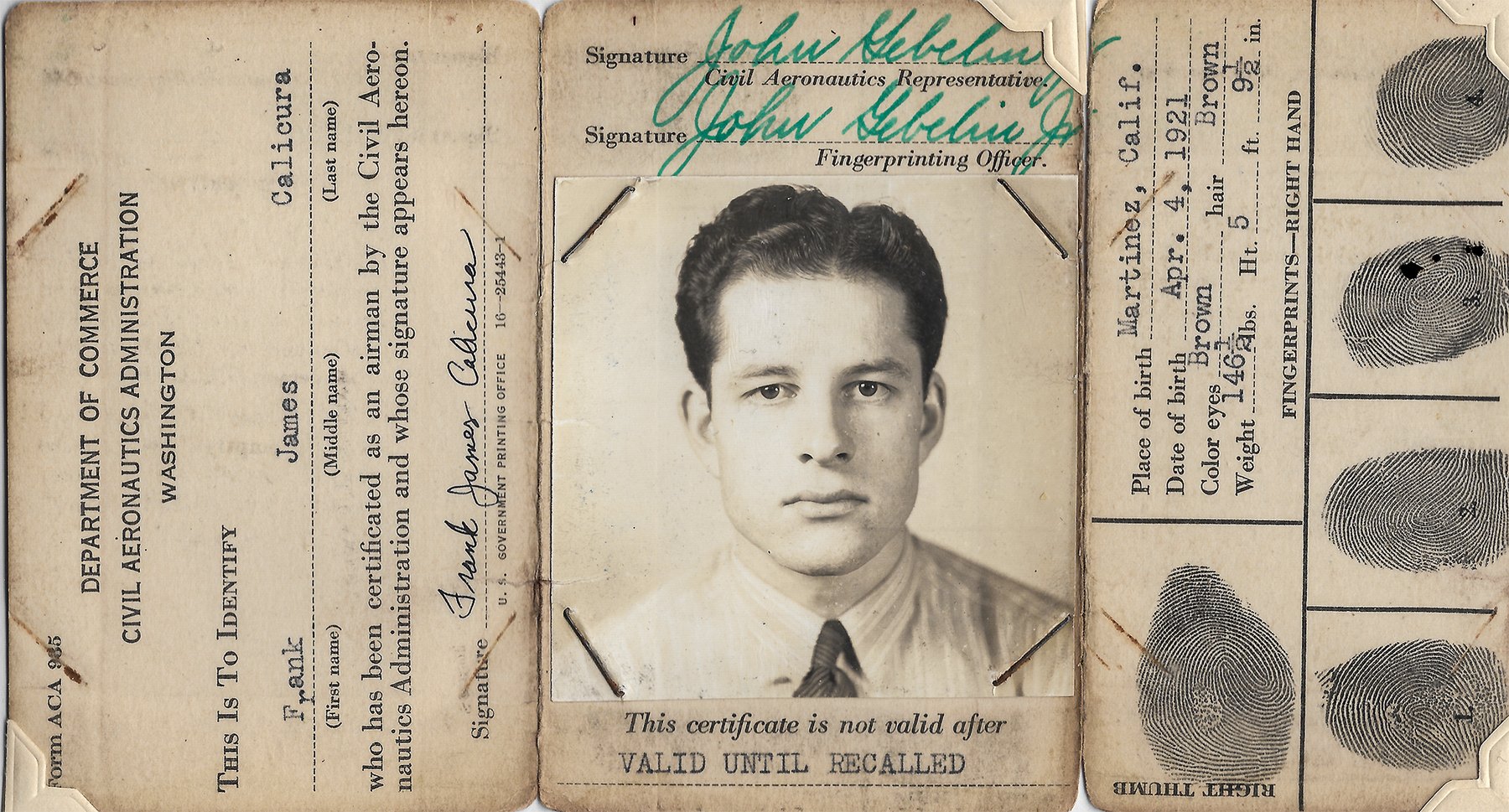
Object
Airman identification
Family collection
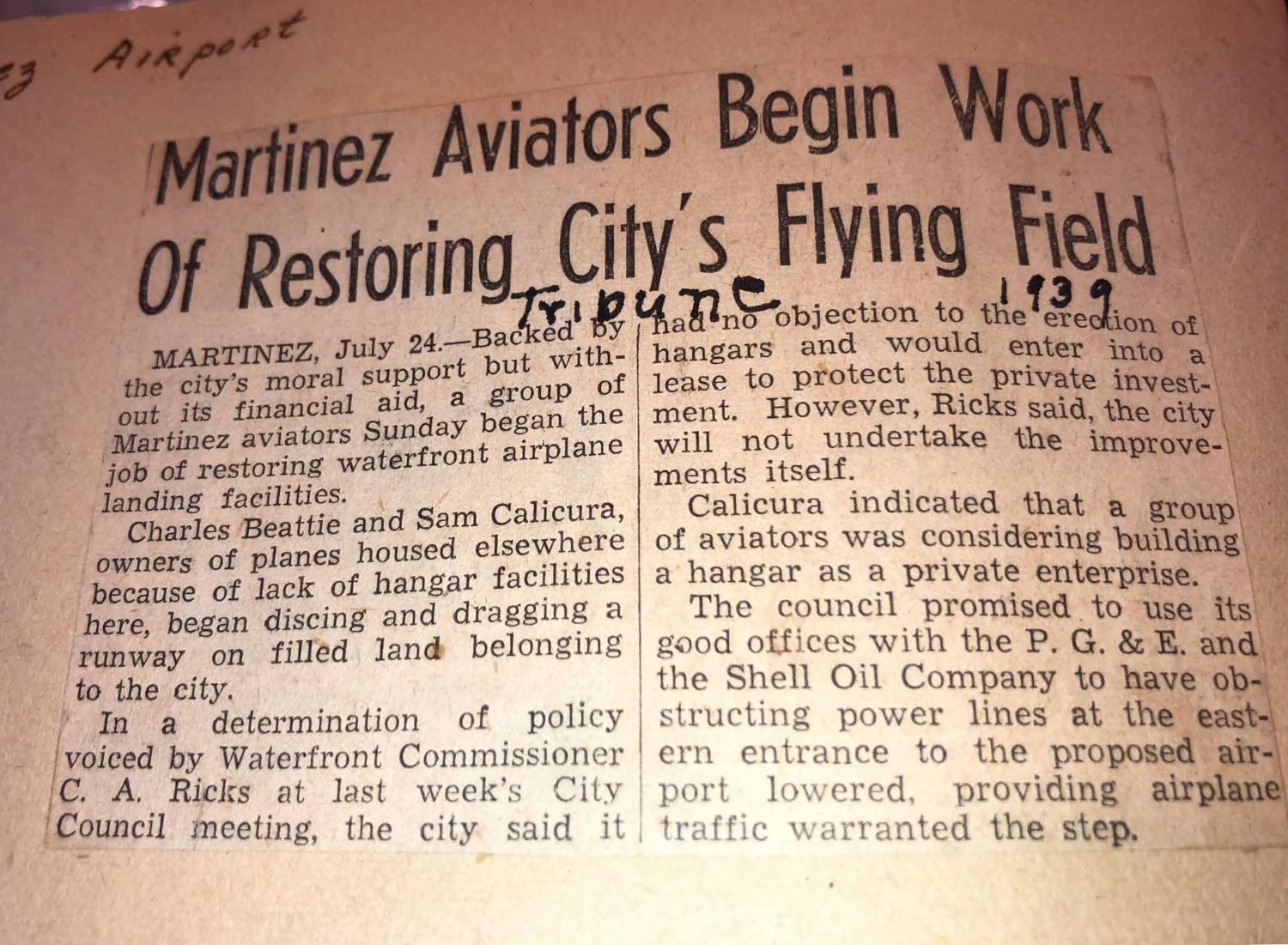
Object · 24 July 1939
Restoring the flying field
Beatie family collection
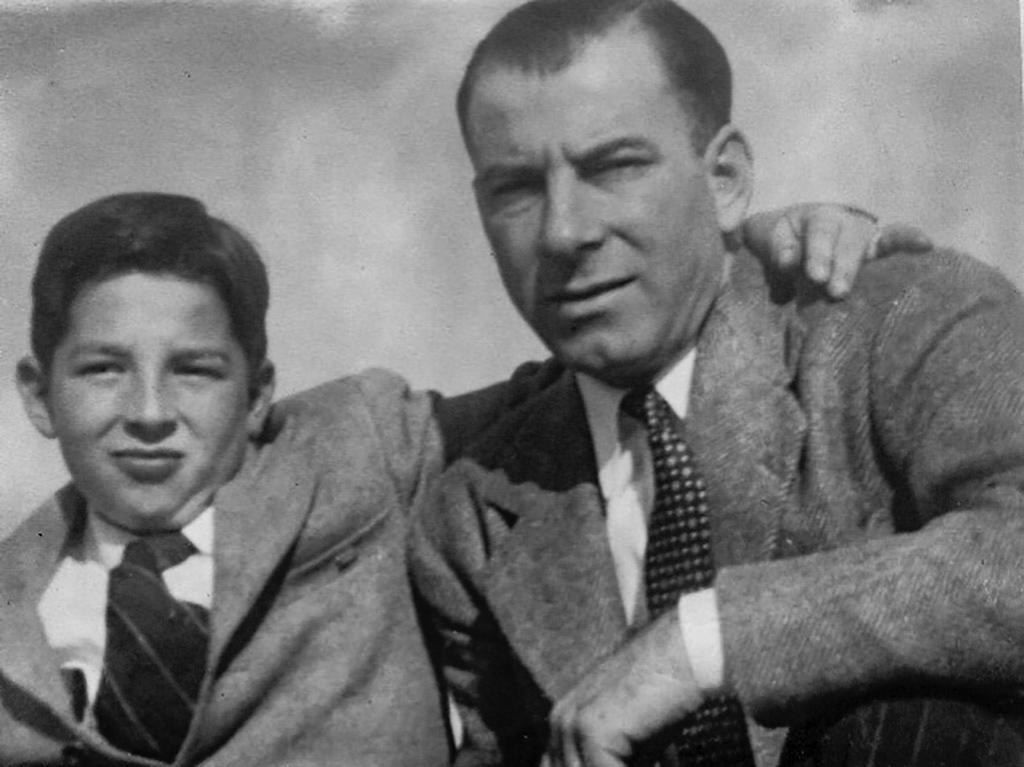
Photograph · early 1940s
Sam and Richard
Family collection
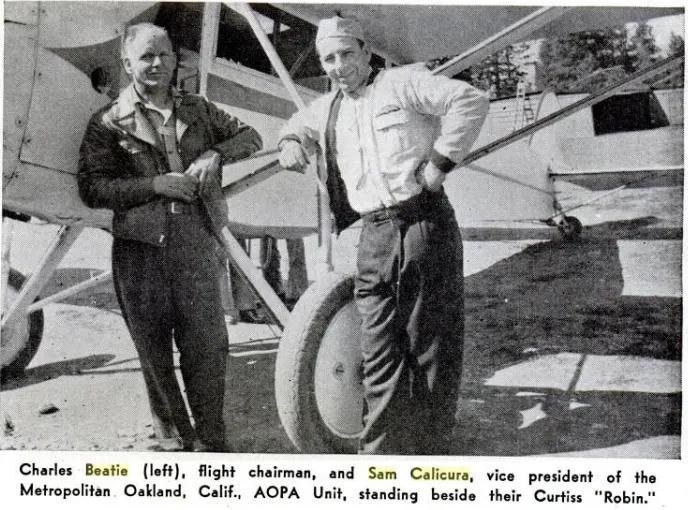
Photograph · July 1942
Beatie and Sam, Curtiss Robin
Family collection
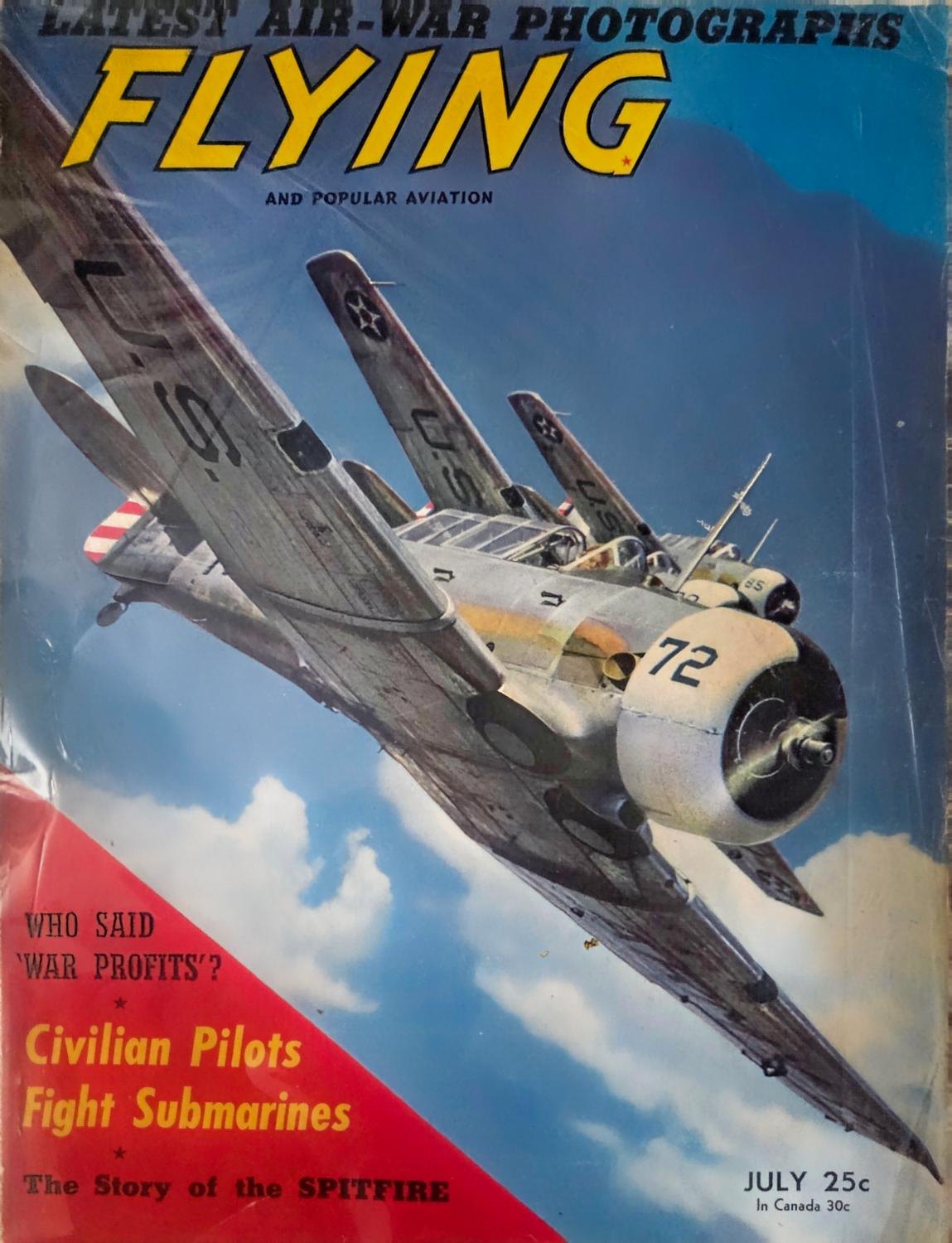
Object · July 1942
Flying, July 1942
Family collection
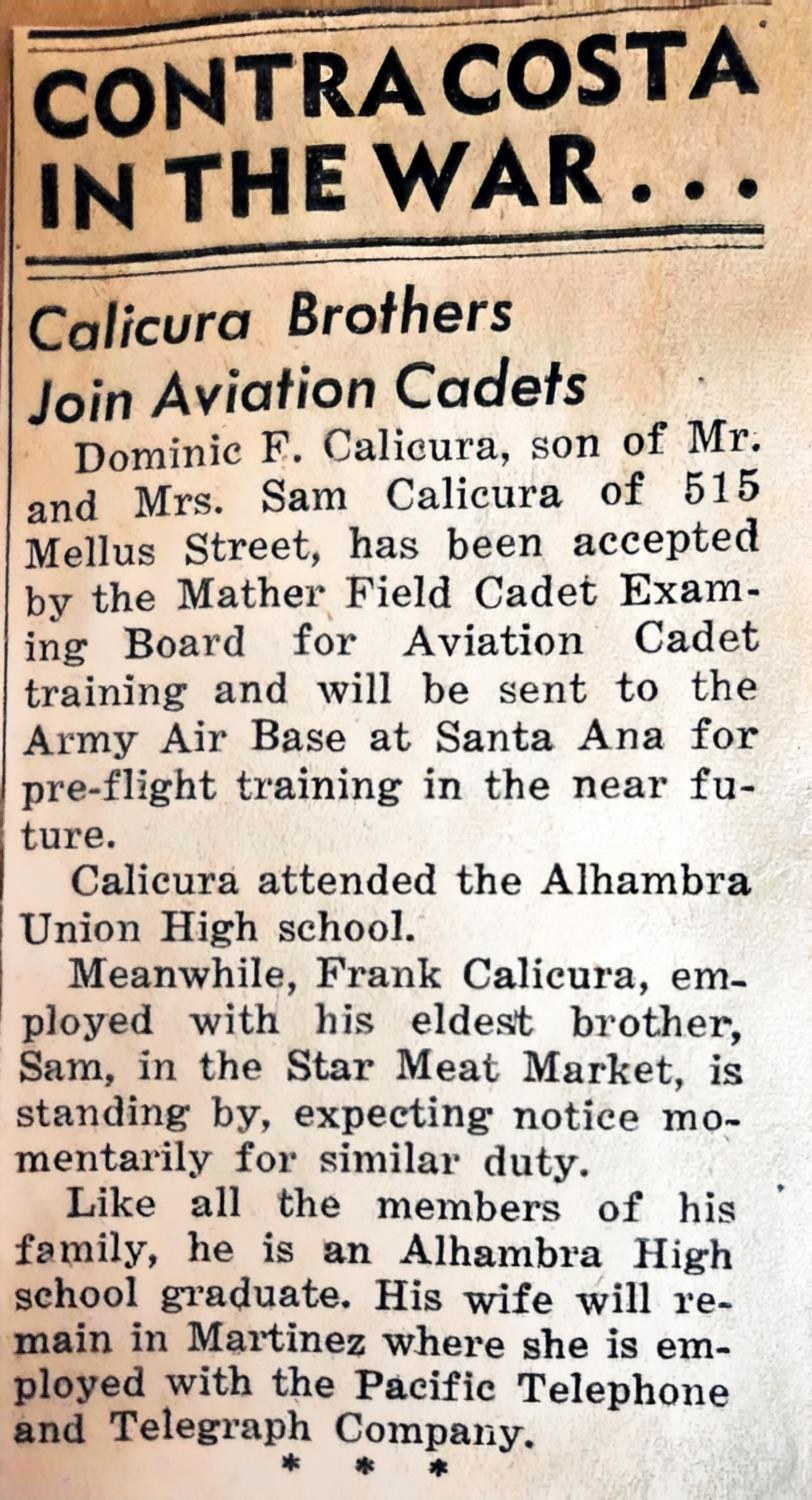
Object · 1942
Calicura Brothers Join Aviation Cadets
Family collection
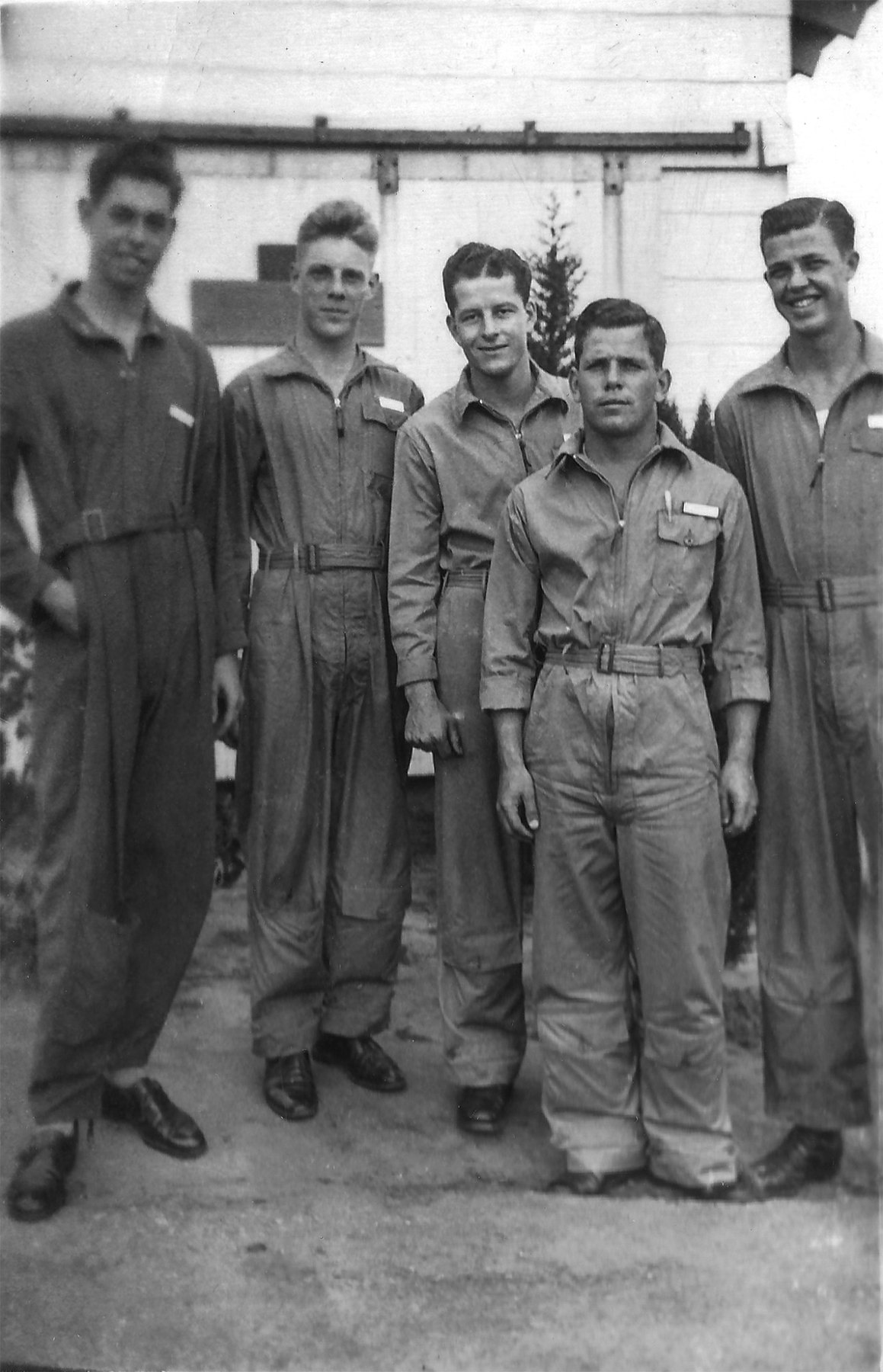
Photograph
Five in flight suits
Family collection
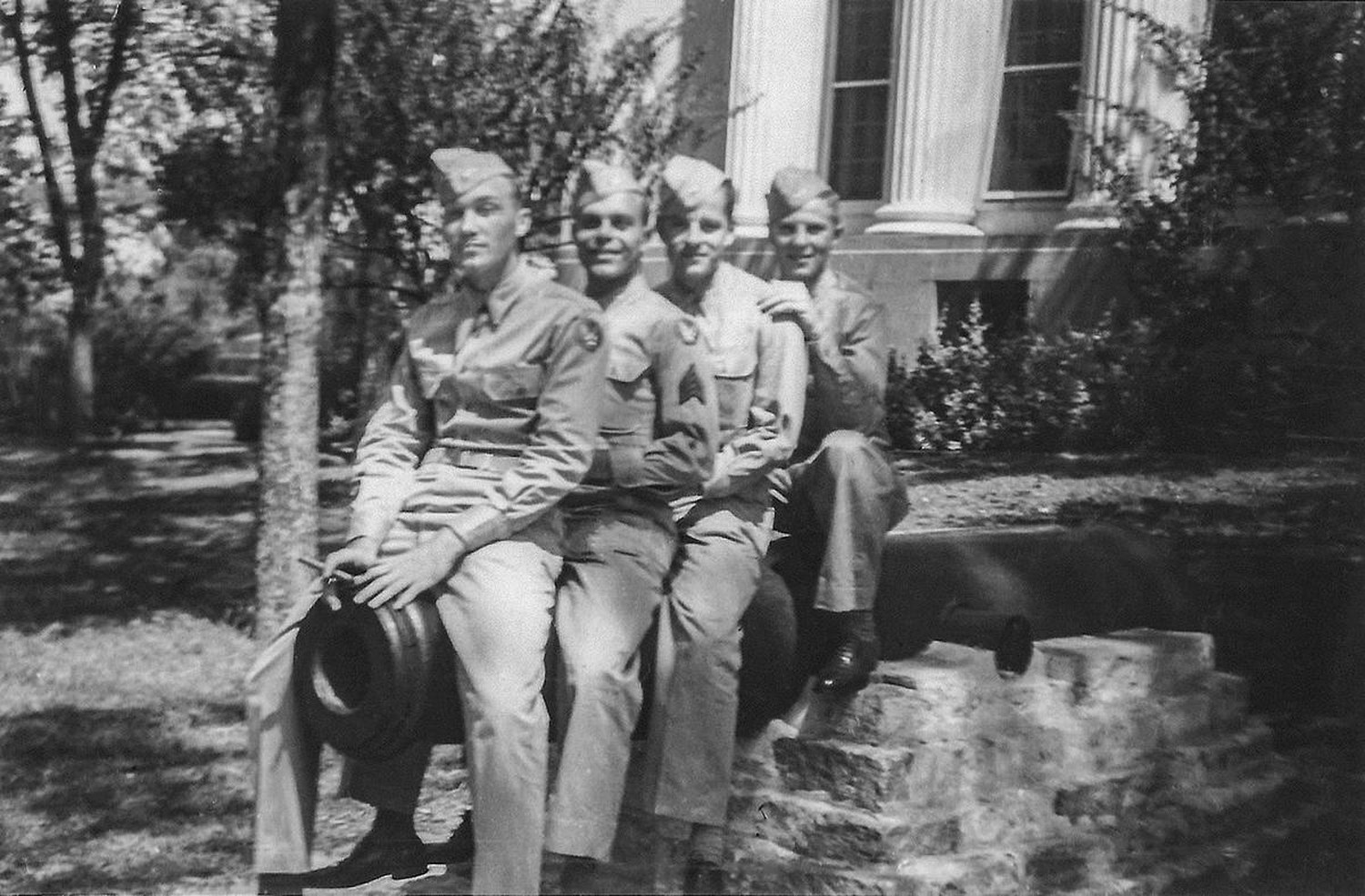
Photograph · 1943
Maxwell Field
Family collection
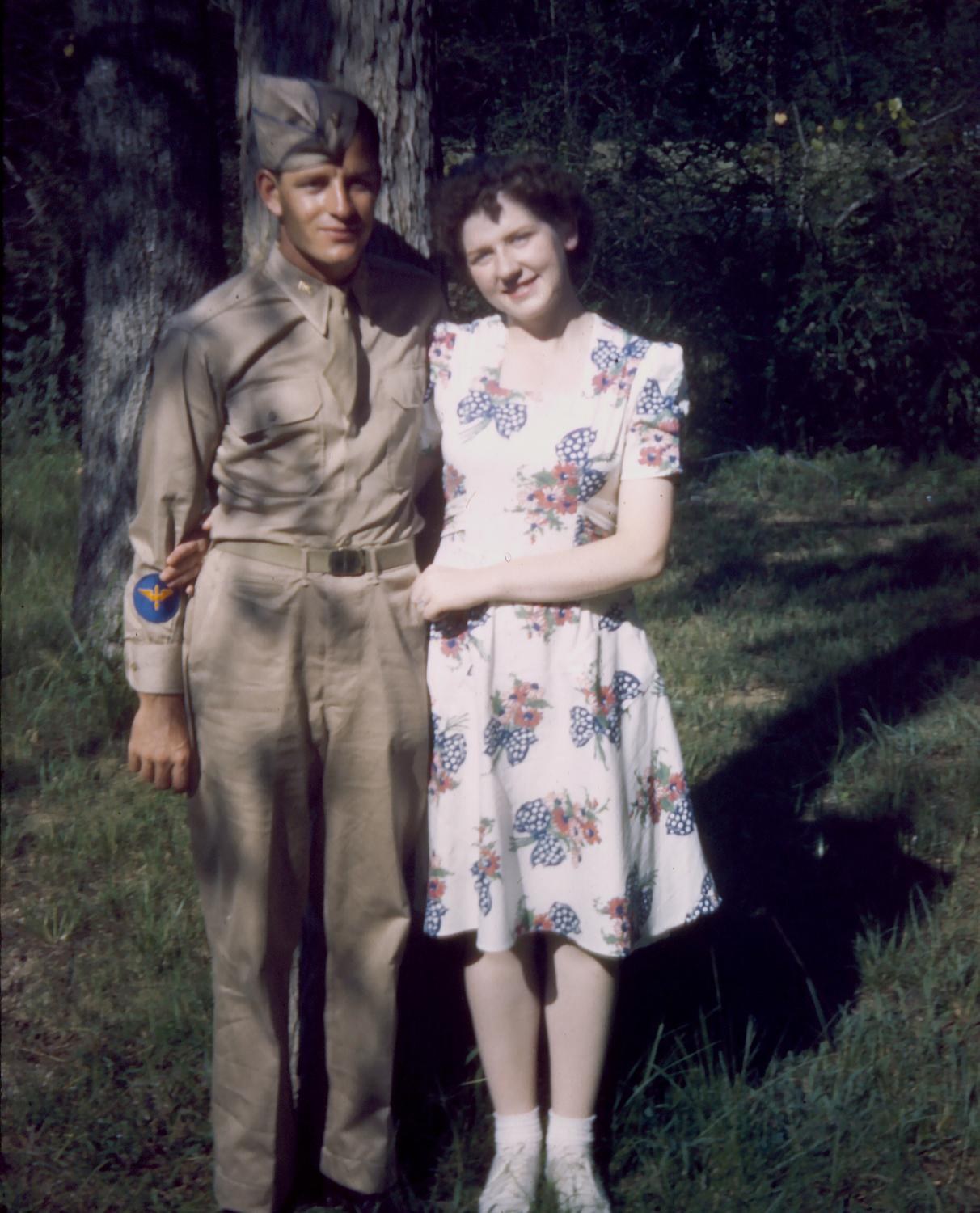
Photograph · 1943
Joyce and Frank, Maxwell Field
Family collection
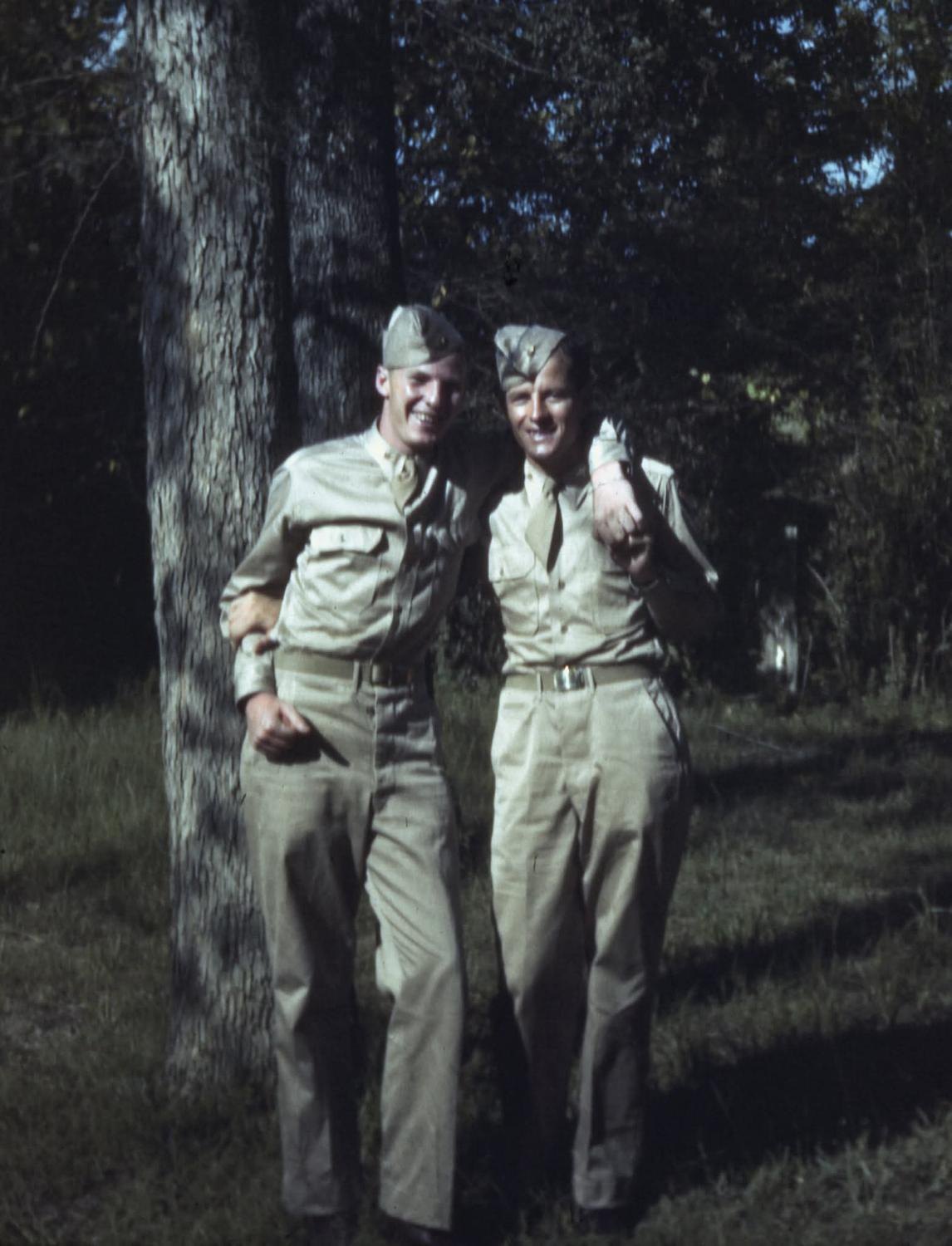
Photograph · 1943
Frank and Red Carpenter
Family collection
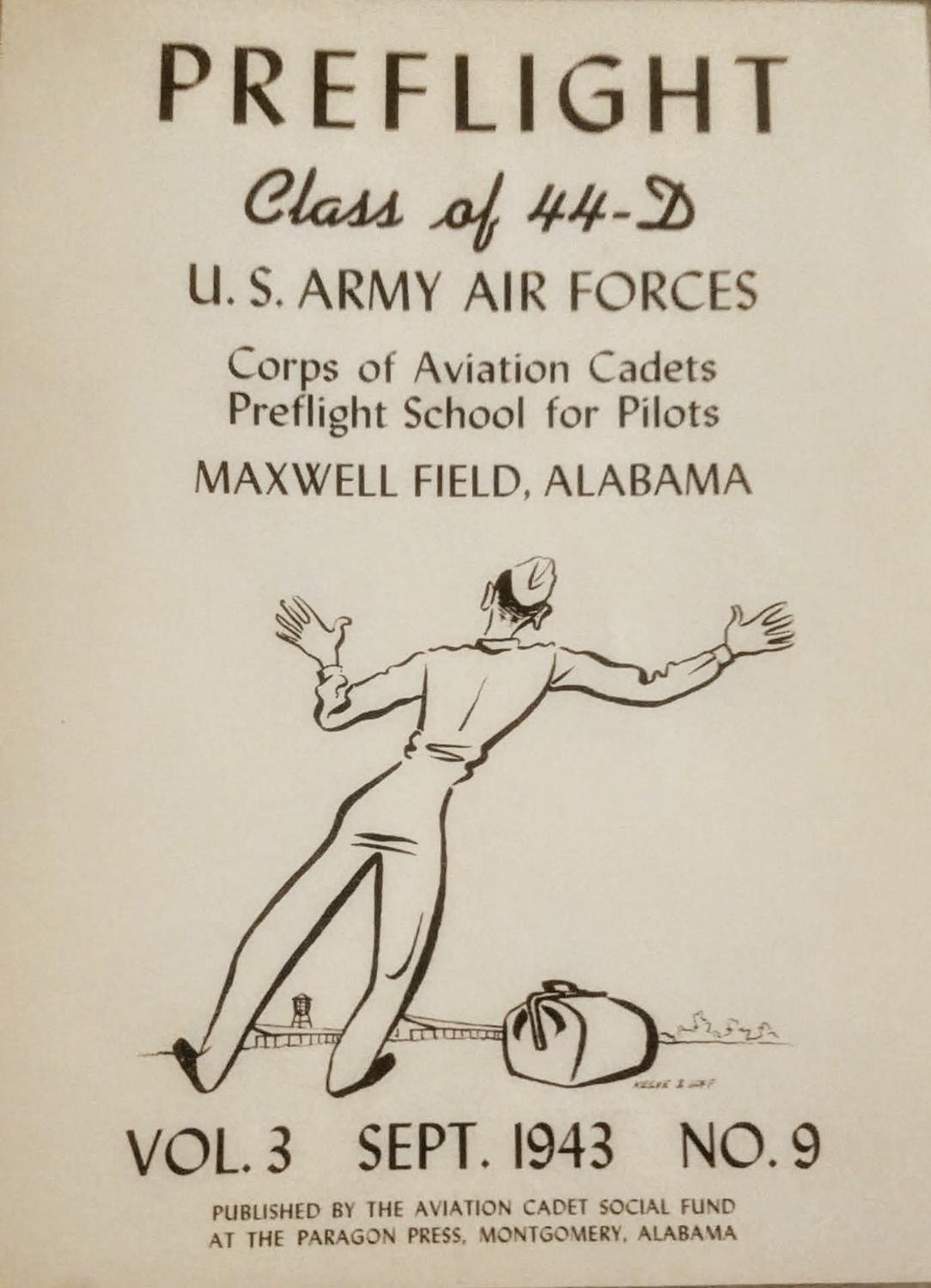
Object · September 1943
Class of 44-D
Family collection
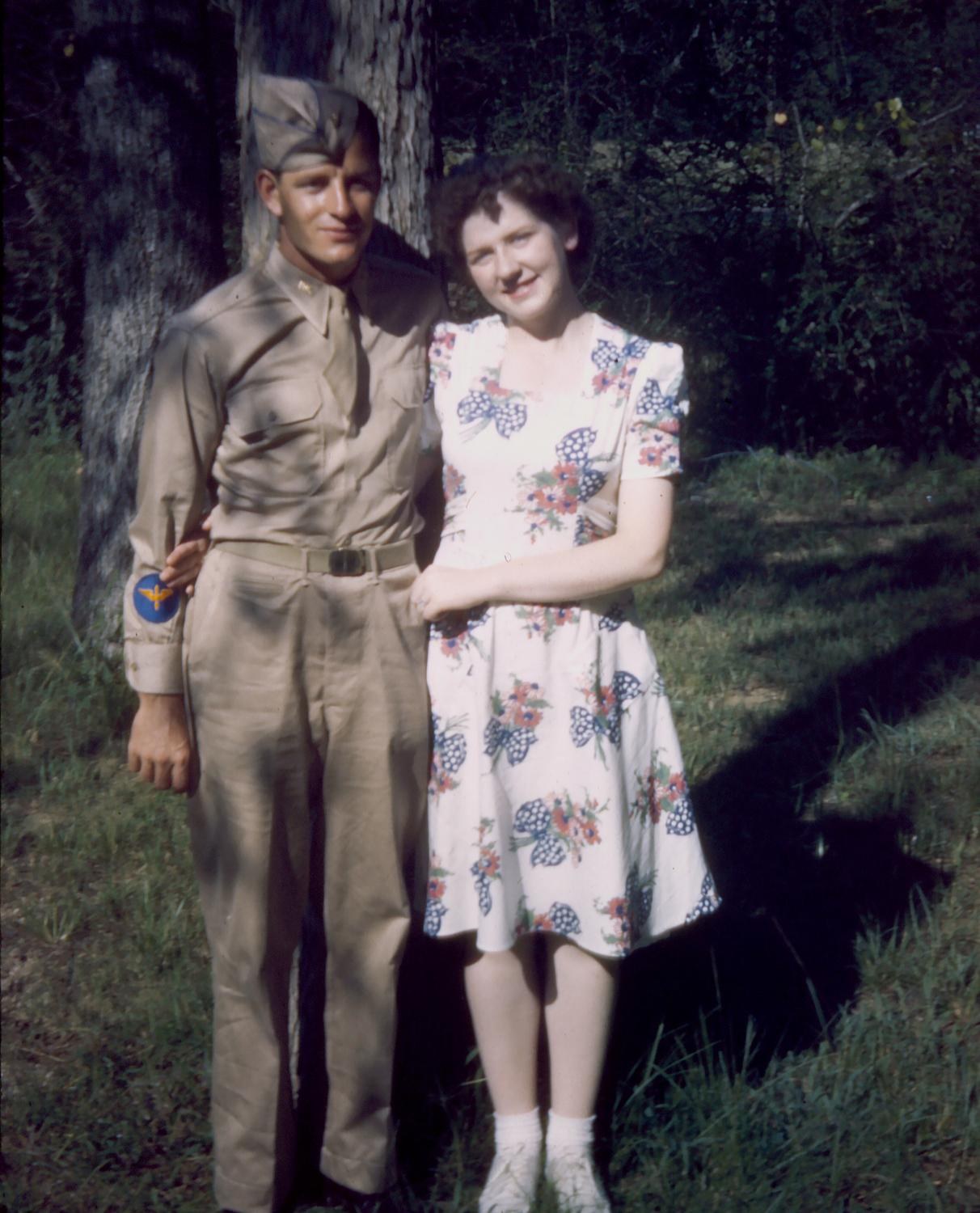
Photograph · 1943–1944
Joyce and Marie
Family collection
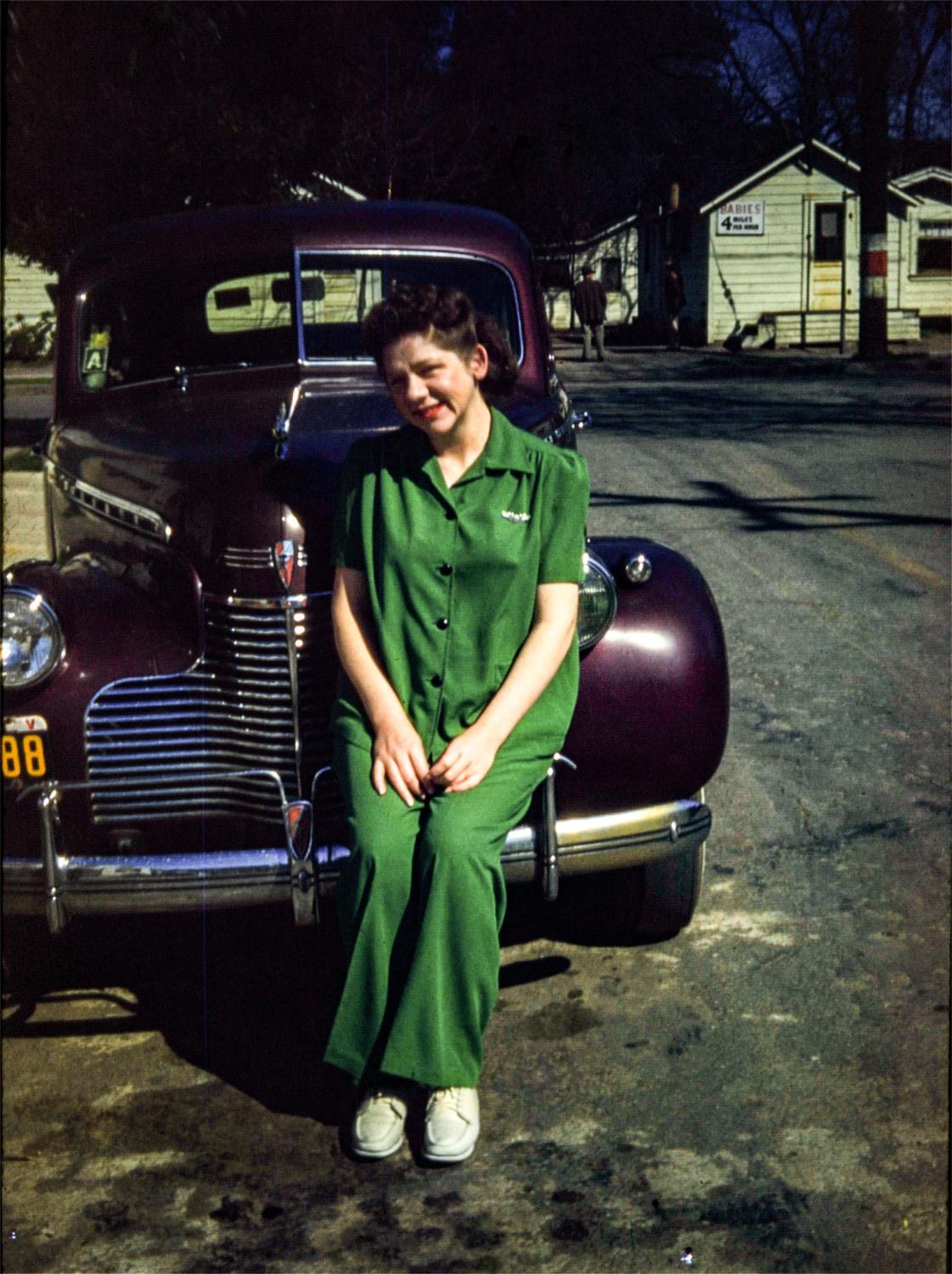
Photograph · 1943
Joyce, already carrying him
Family collection
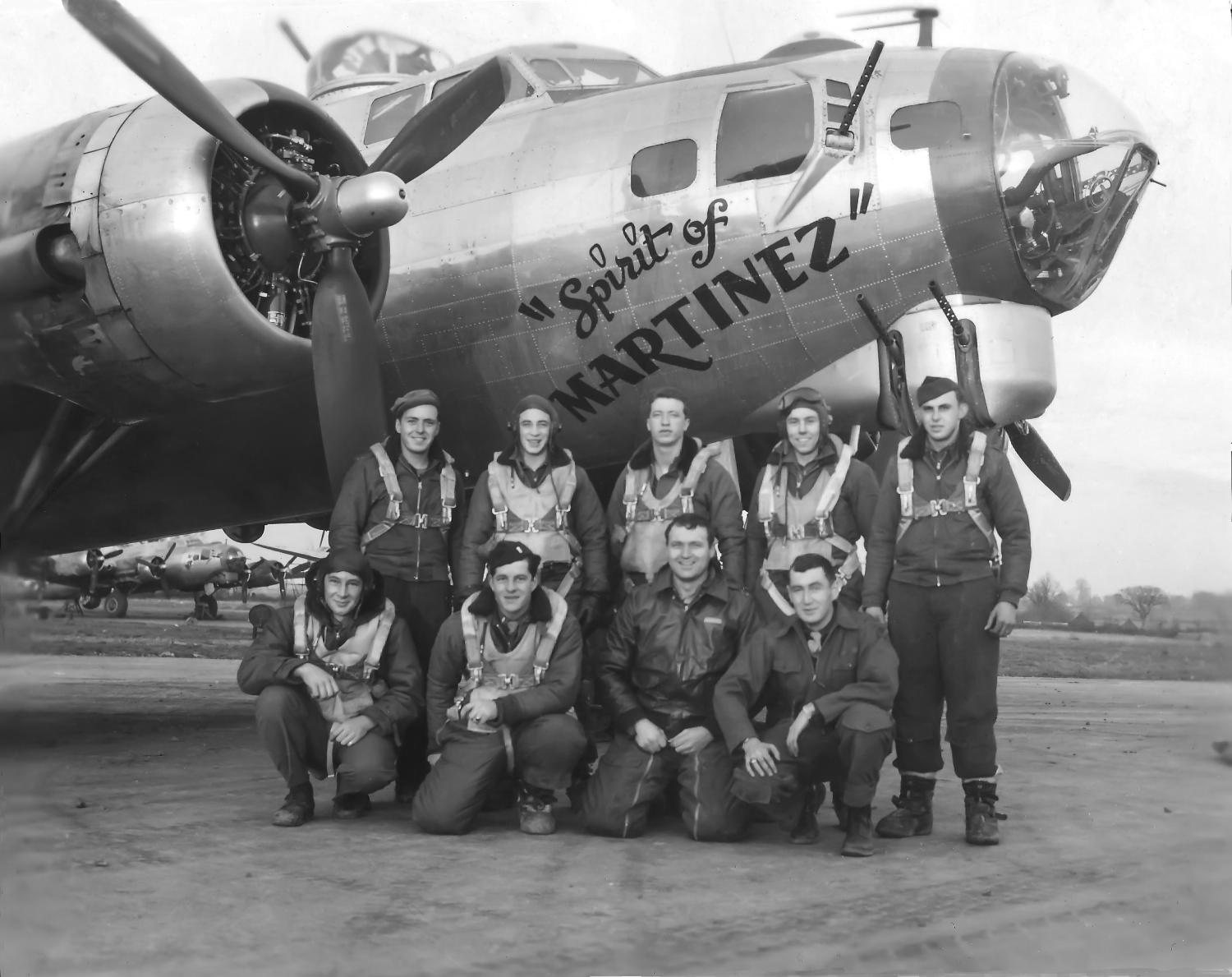
Photograph · 1945
The crew of 44-6838
Family collection
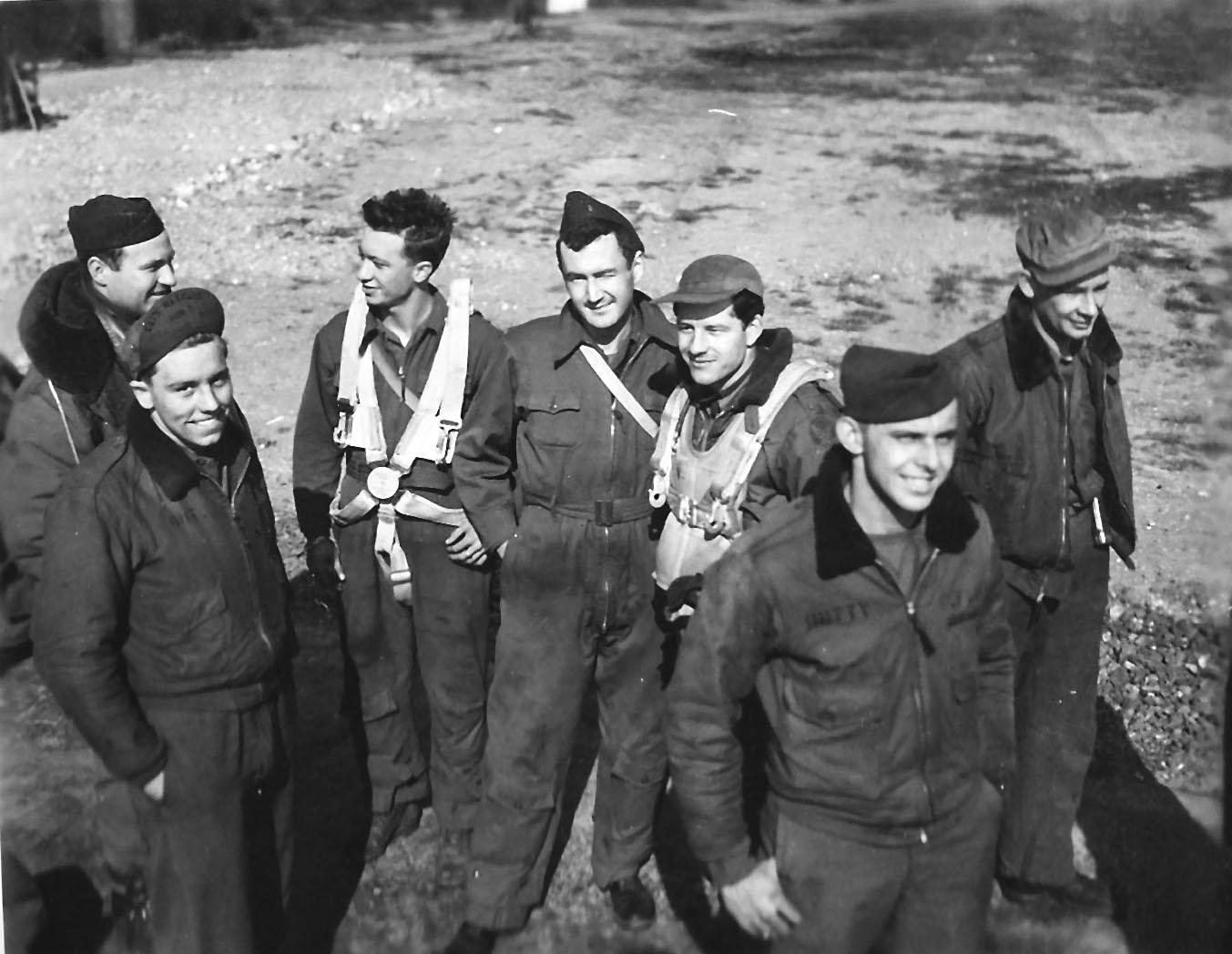
Photograph
Seven of the nine
Family collection
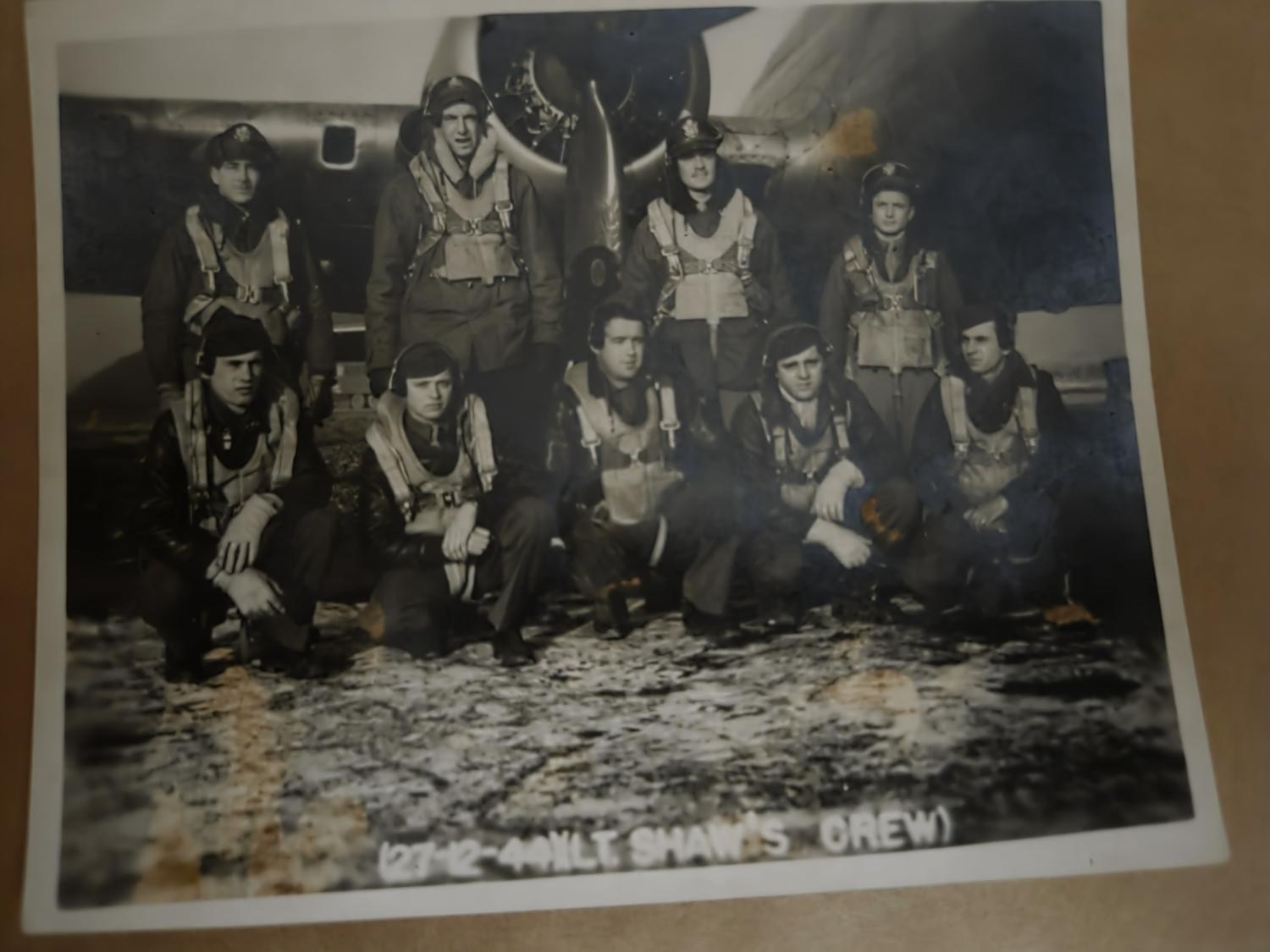
Photograph · 27 February 1944
Lt. Shaw’s crew
Family collection
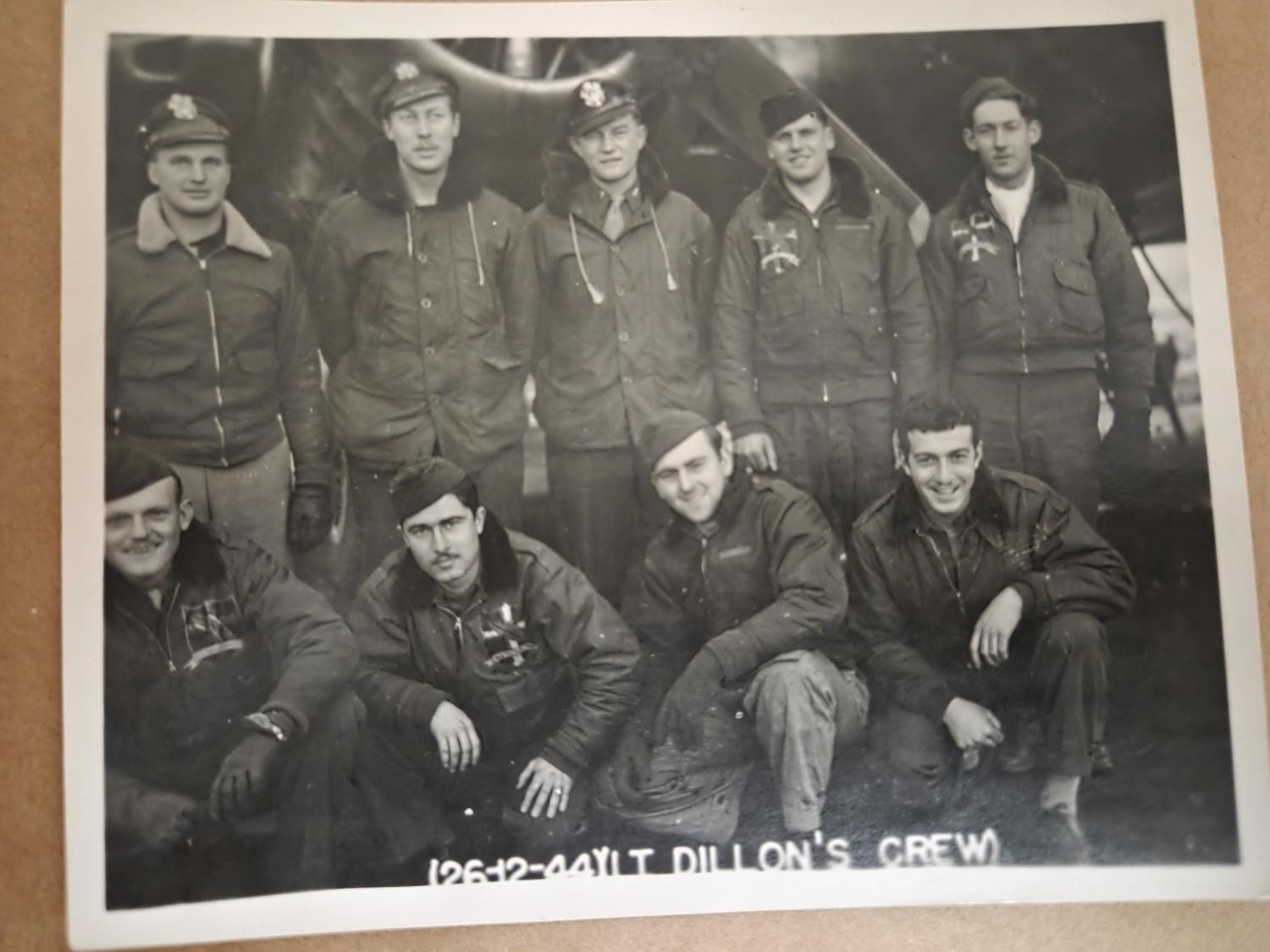
Photograph · 26 December 1944
Lt. Dillon’s crew
Family collection
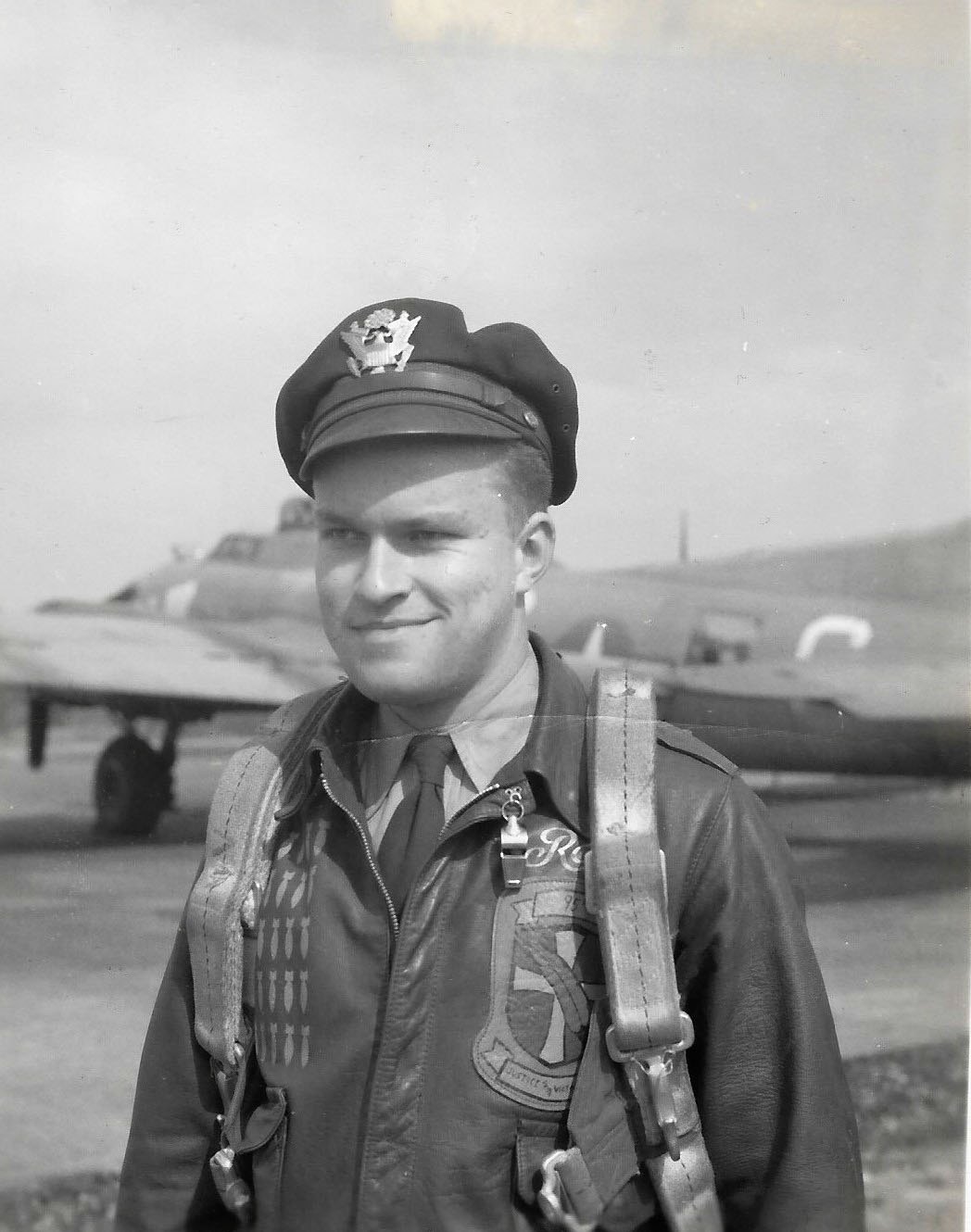
Photograph
A 95th pilot
Family collection
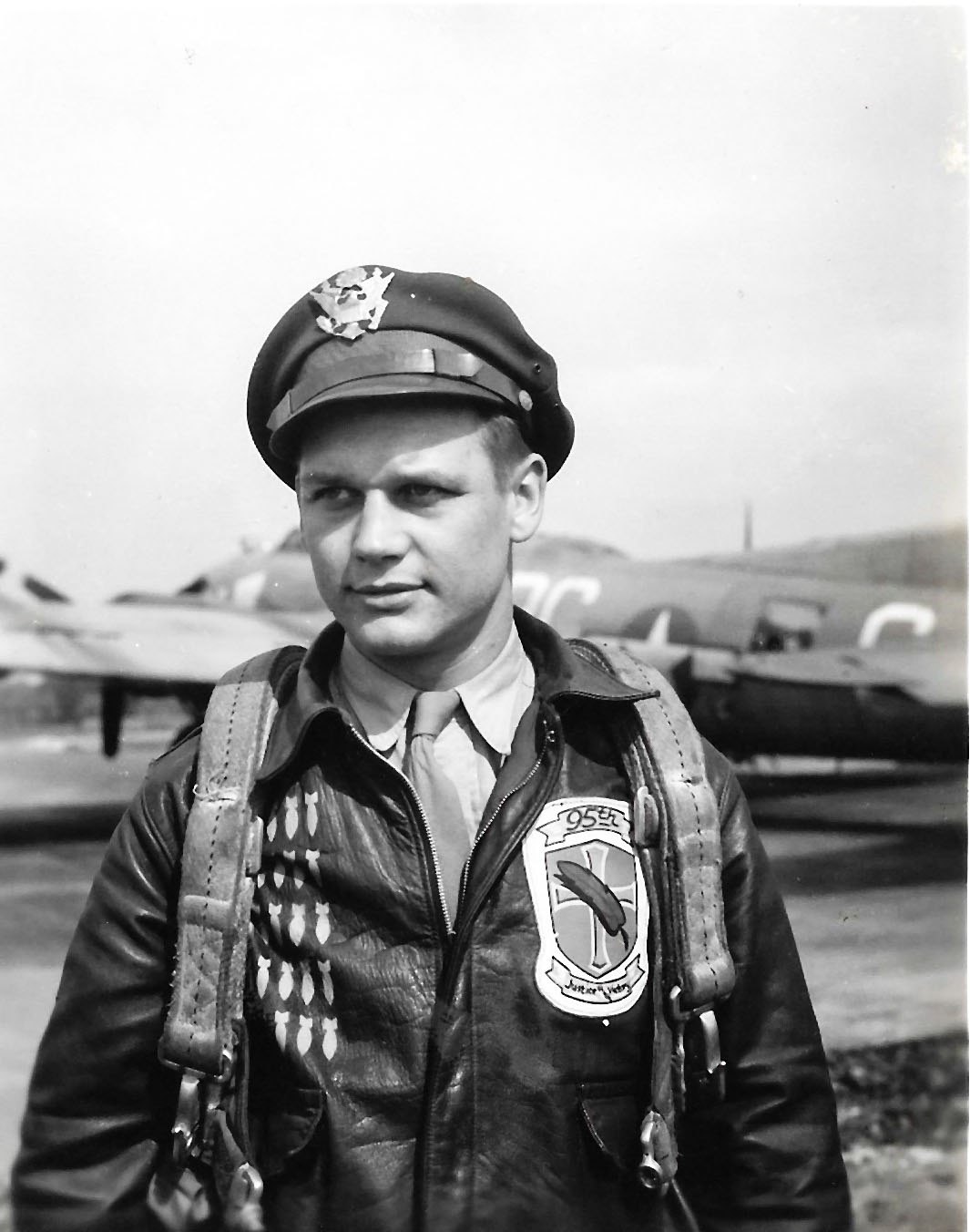
Photograph
Justice with Victory
Family collection
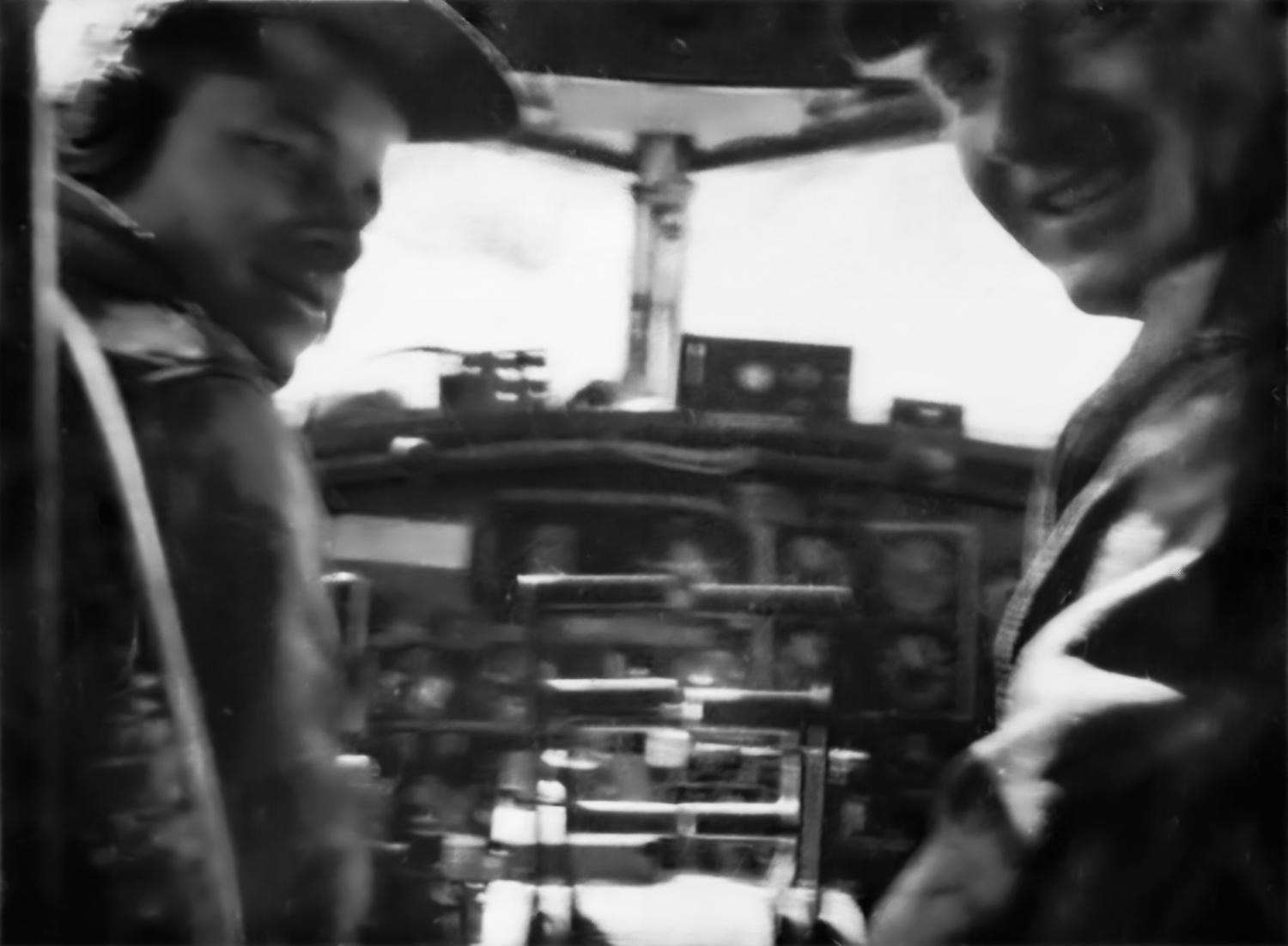
Photograph · 1944
Left seat, right seat
Family collection
Photograph
Frank J. Calicura
Family collection
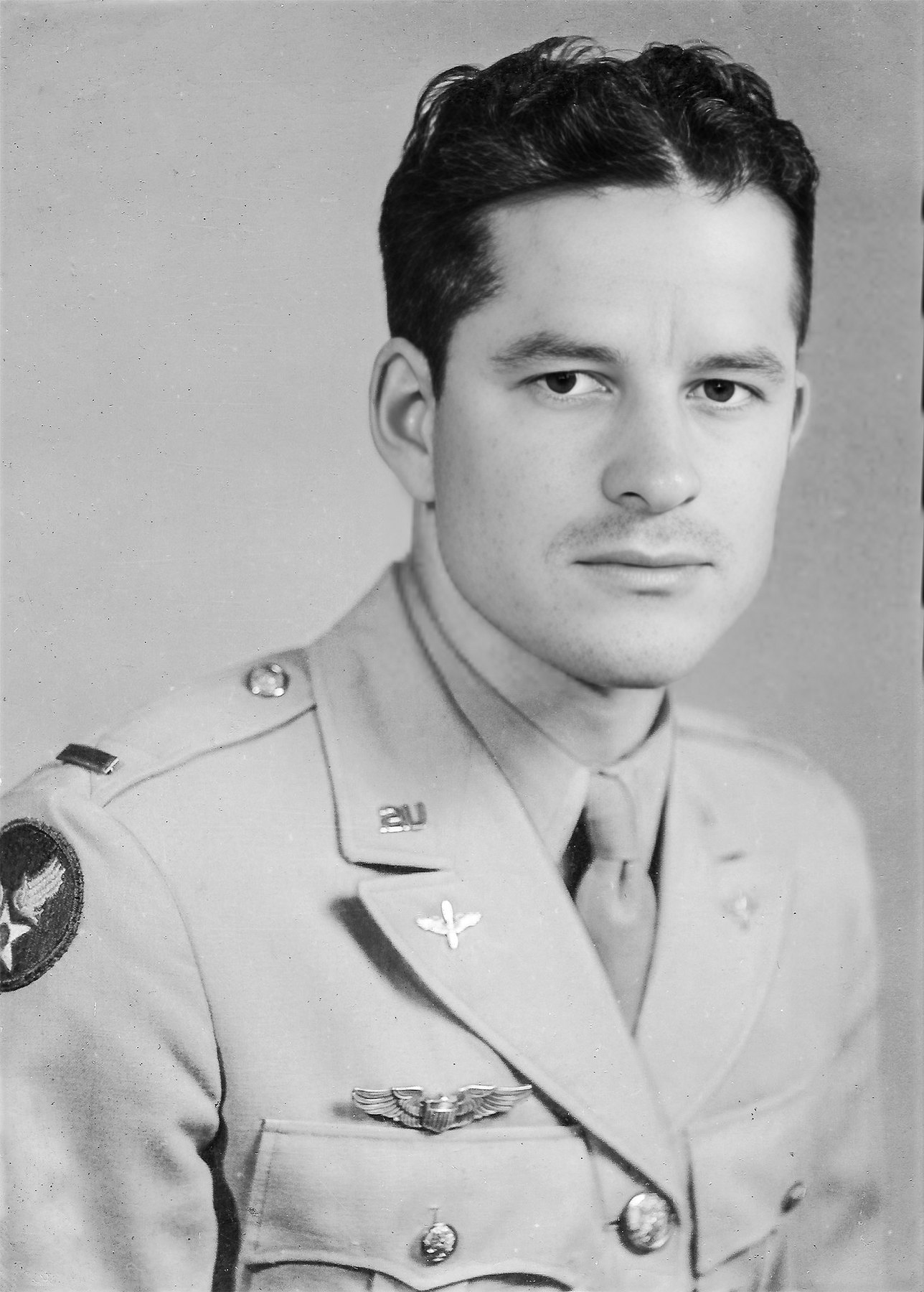
Photograph · 1944
Lieutenant Calicura
Family collection
Photograph
Victor G. Probst
Family collection
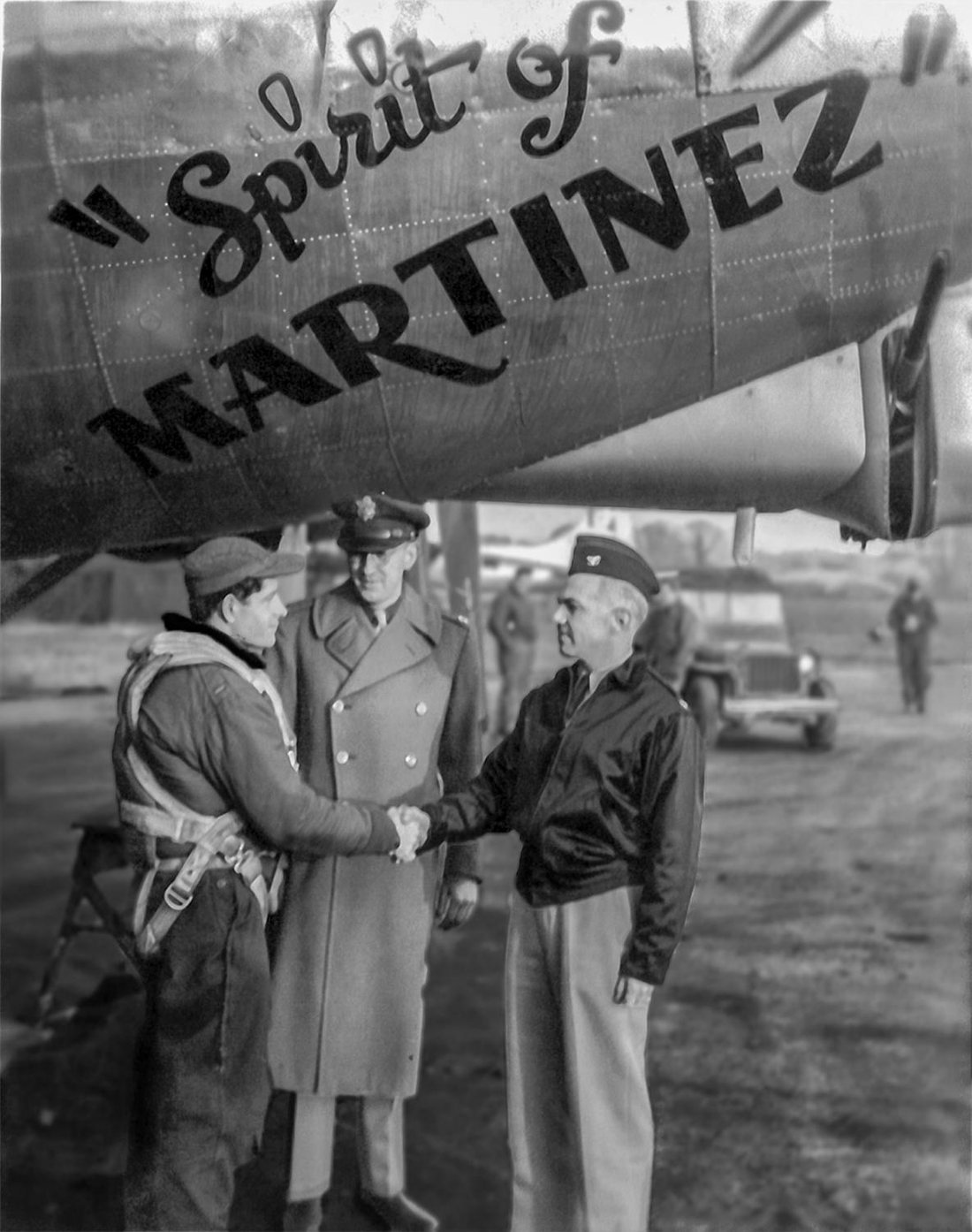
Photograph · 1945
Under the nose
Family collection
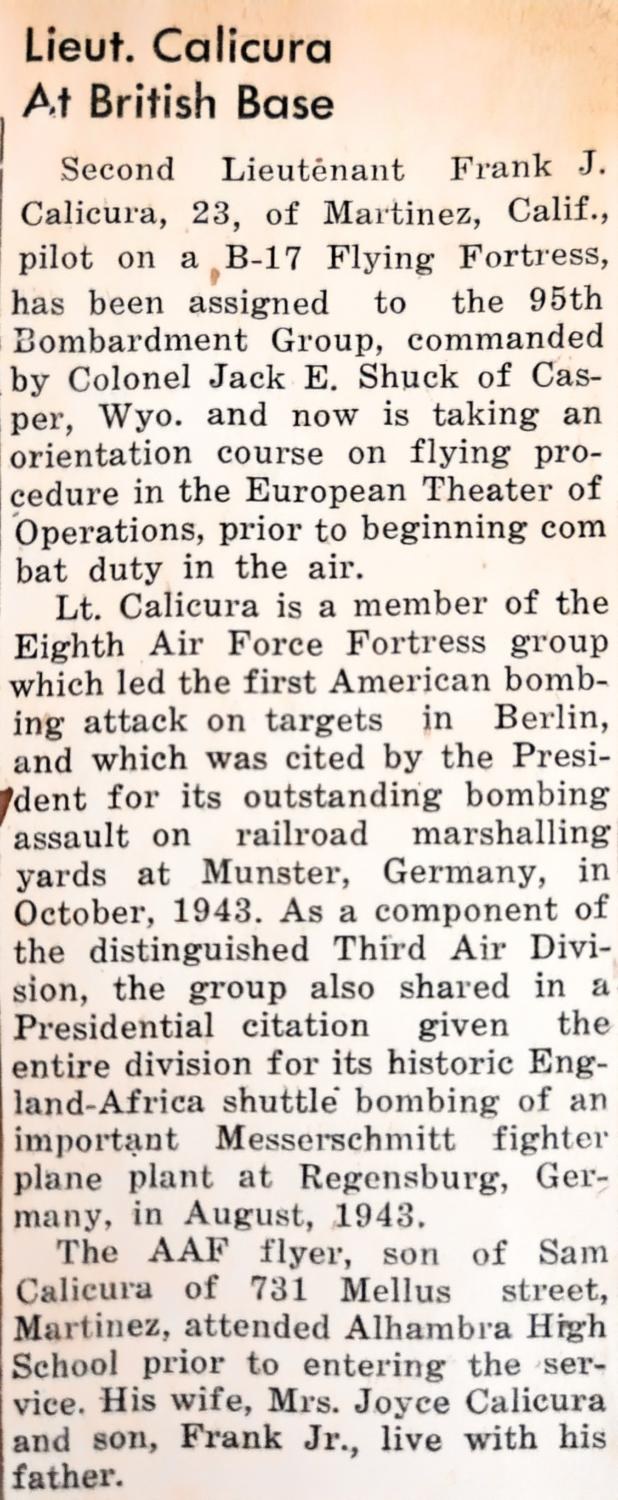
Object · January 1945
Lieut. Calicura At British Base
Family collection
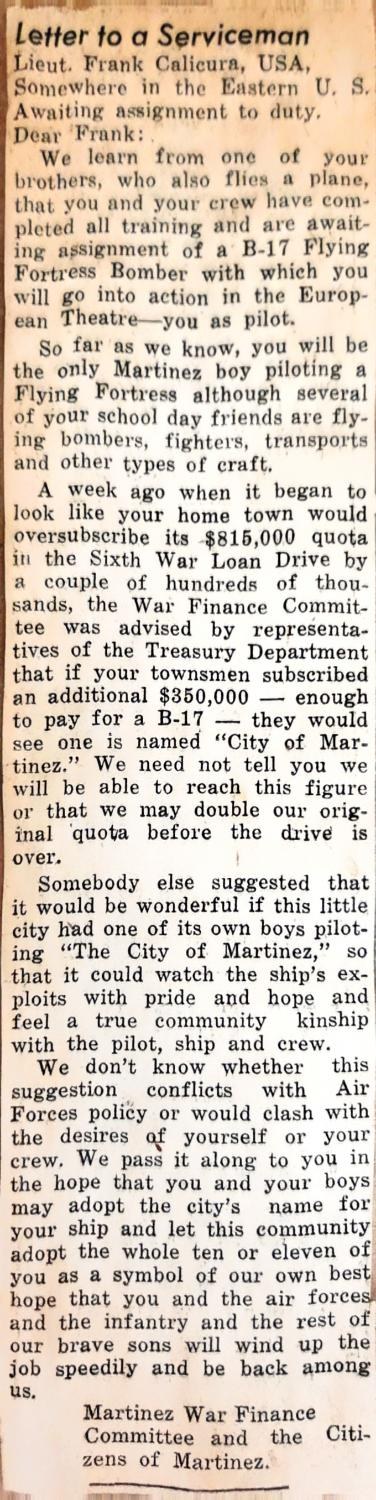
Object · December 1944
Letter to a Serviceman
Family collection
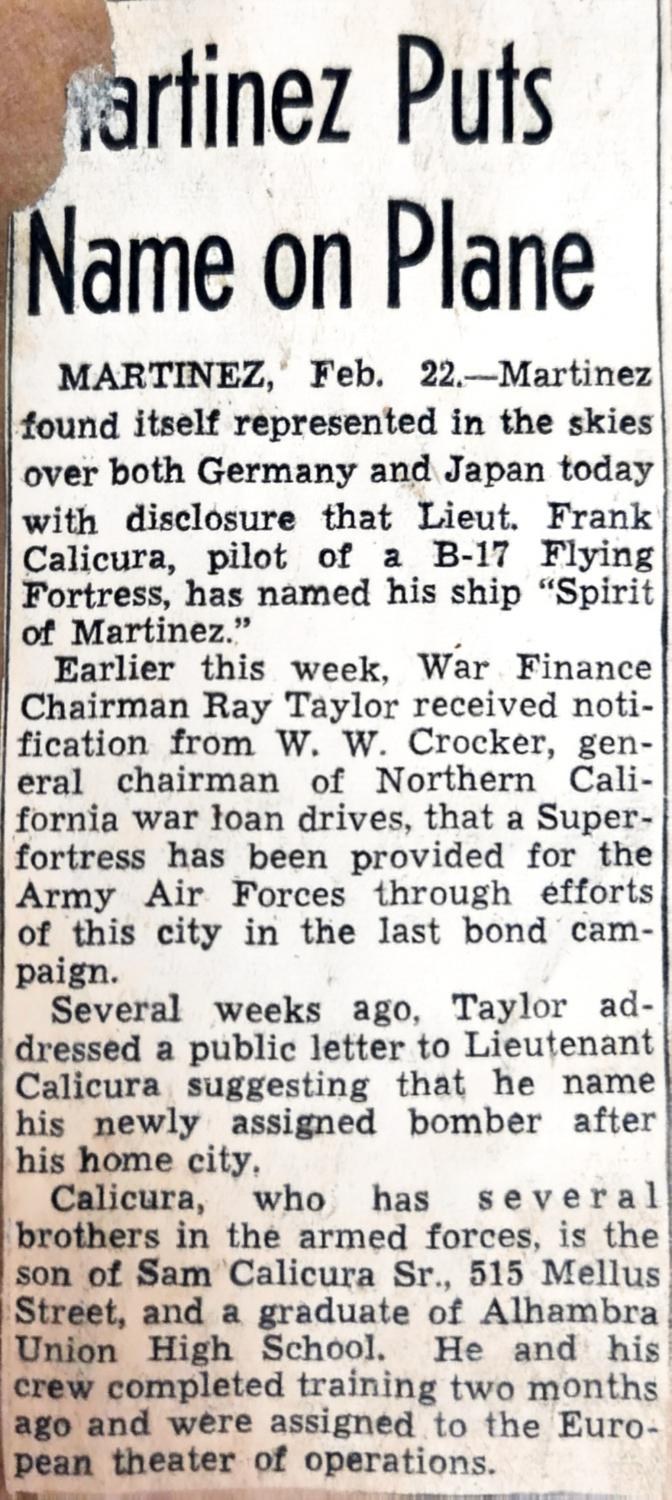
Object · 22 February 1945
Martinez Puts Name on Plane
Family collection
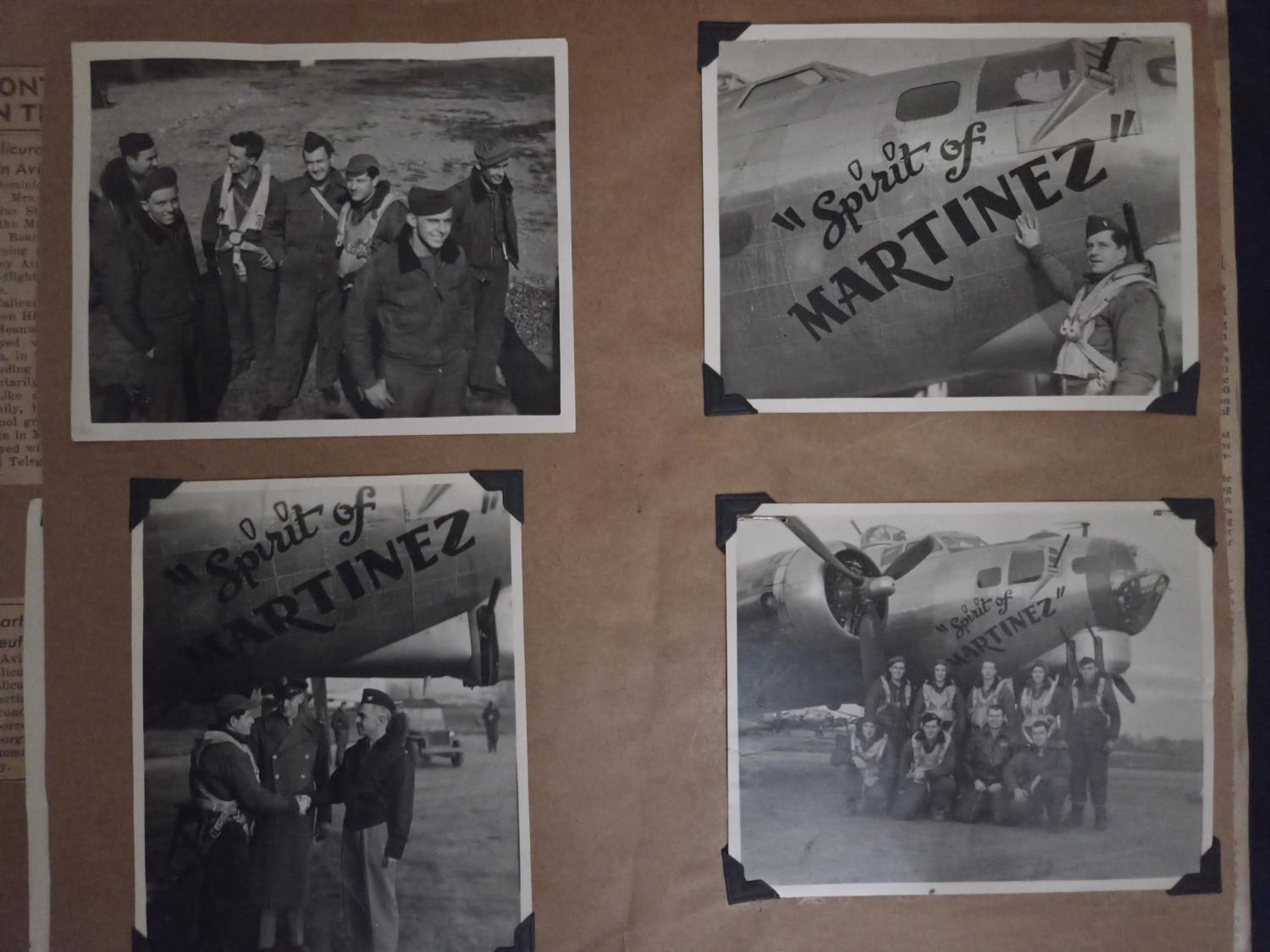
Photograph · 1945
The name on four corners
Family collection
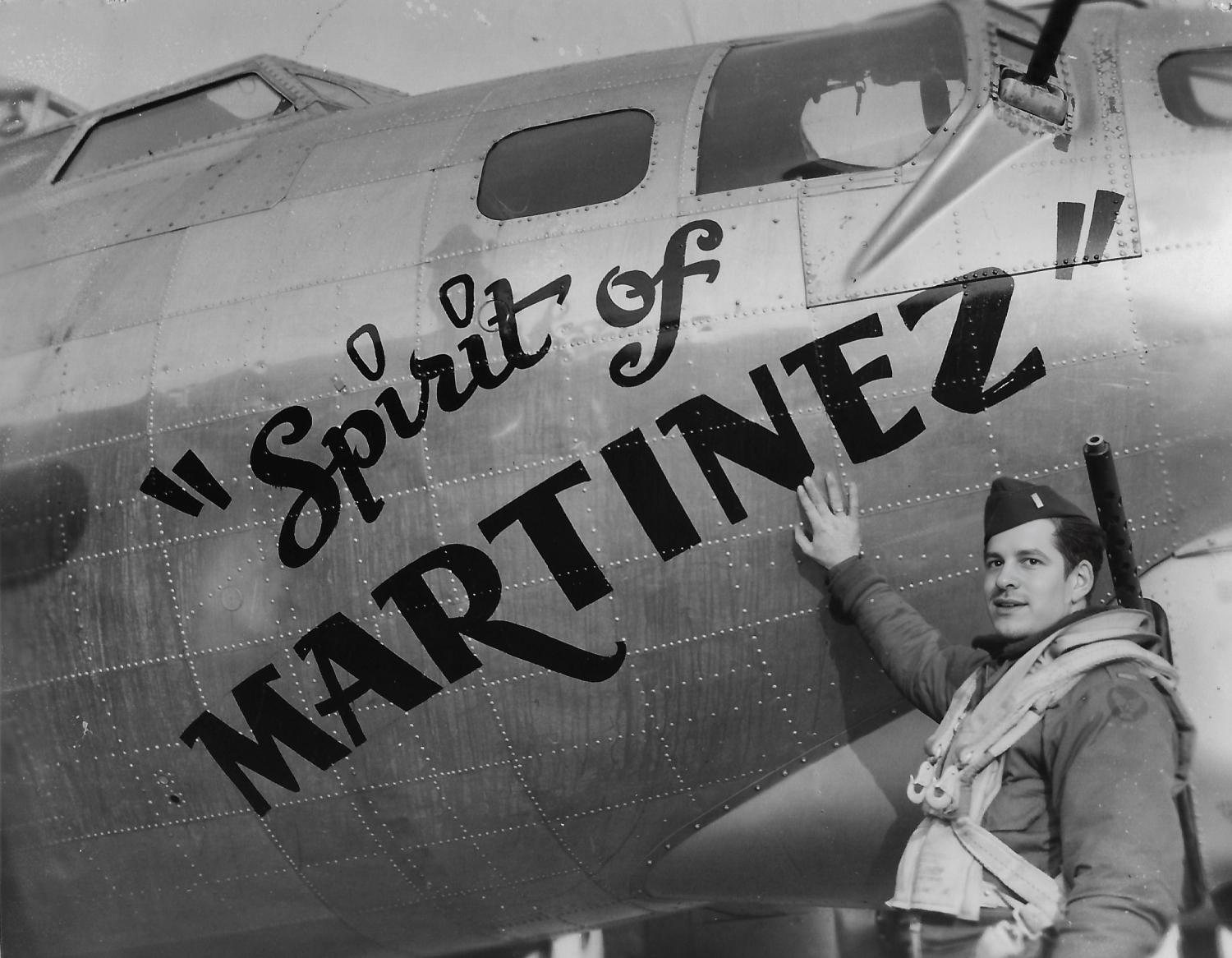
Photograph · 14 February 1945
Frank at the nose
Family collection
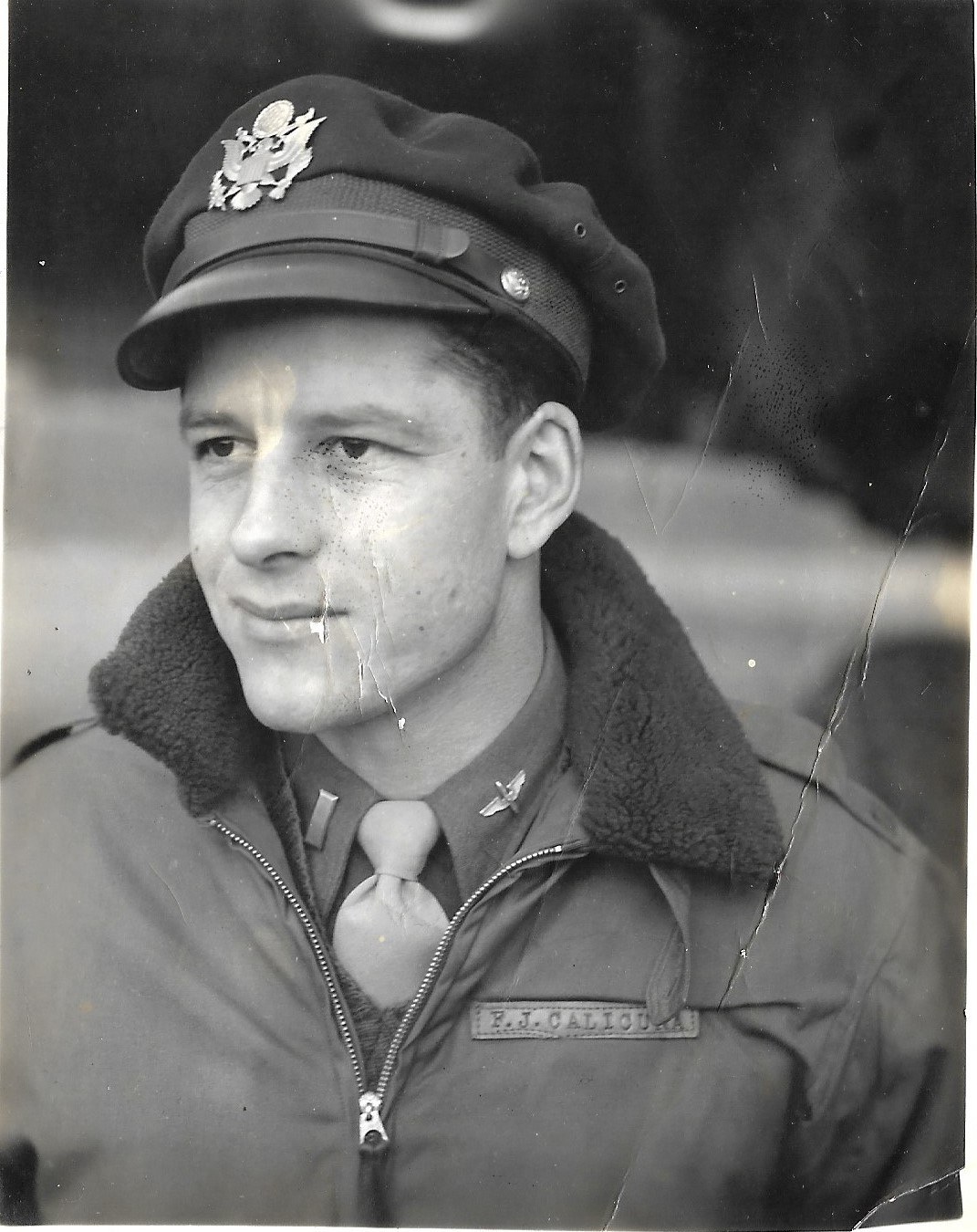
Photograph · 1945
F.J. Calicura
Family collection
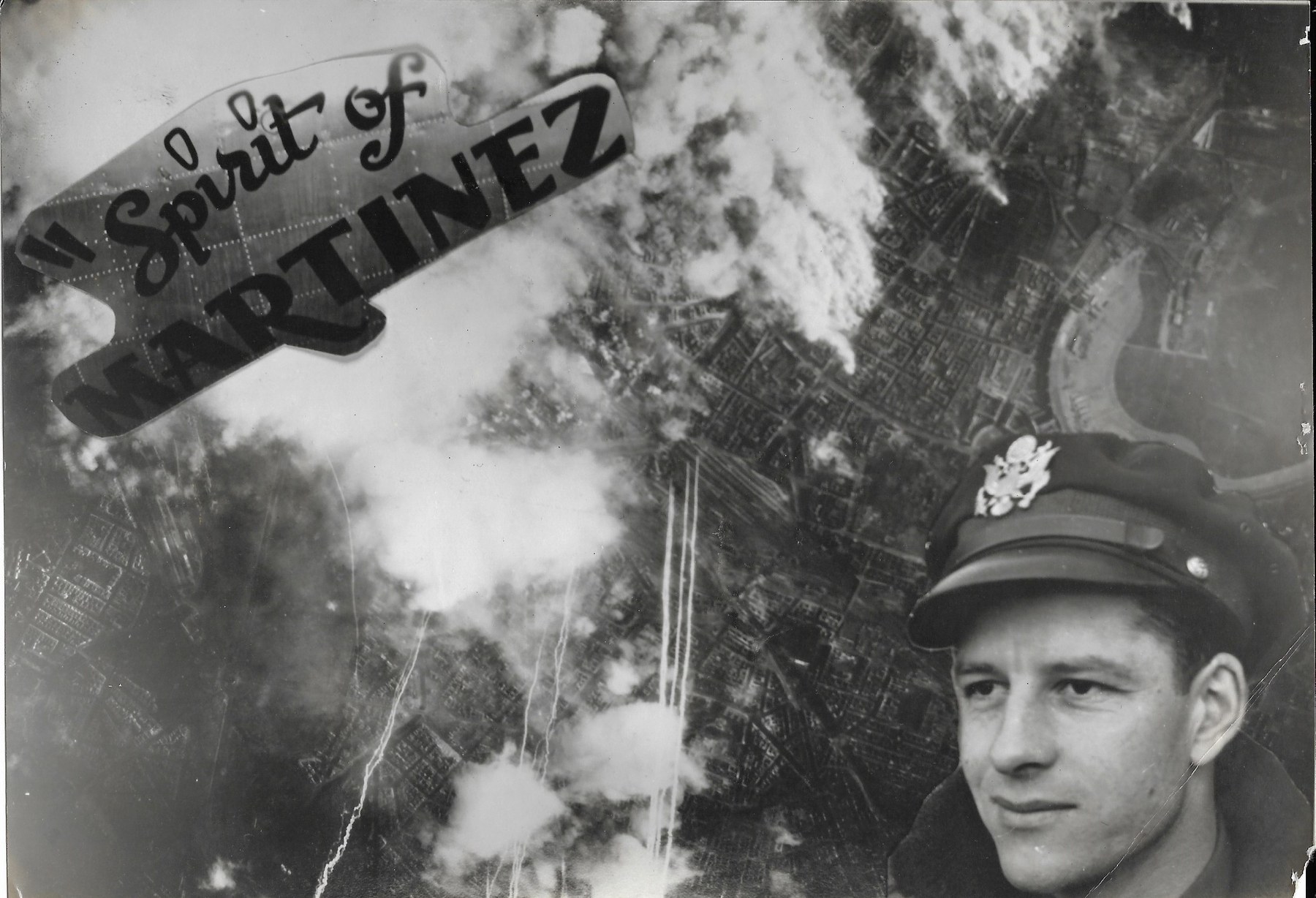
Object · 1945
Spirit of Martinez
Family collection
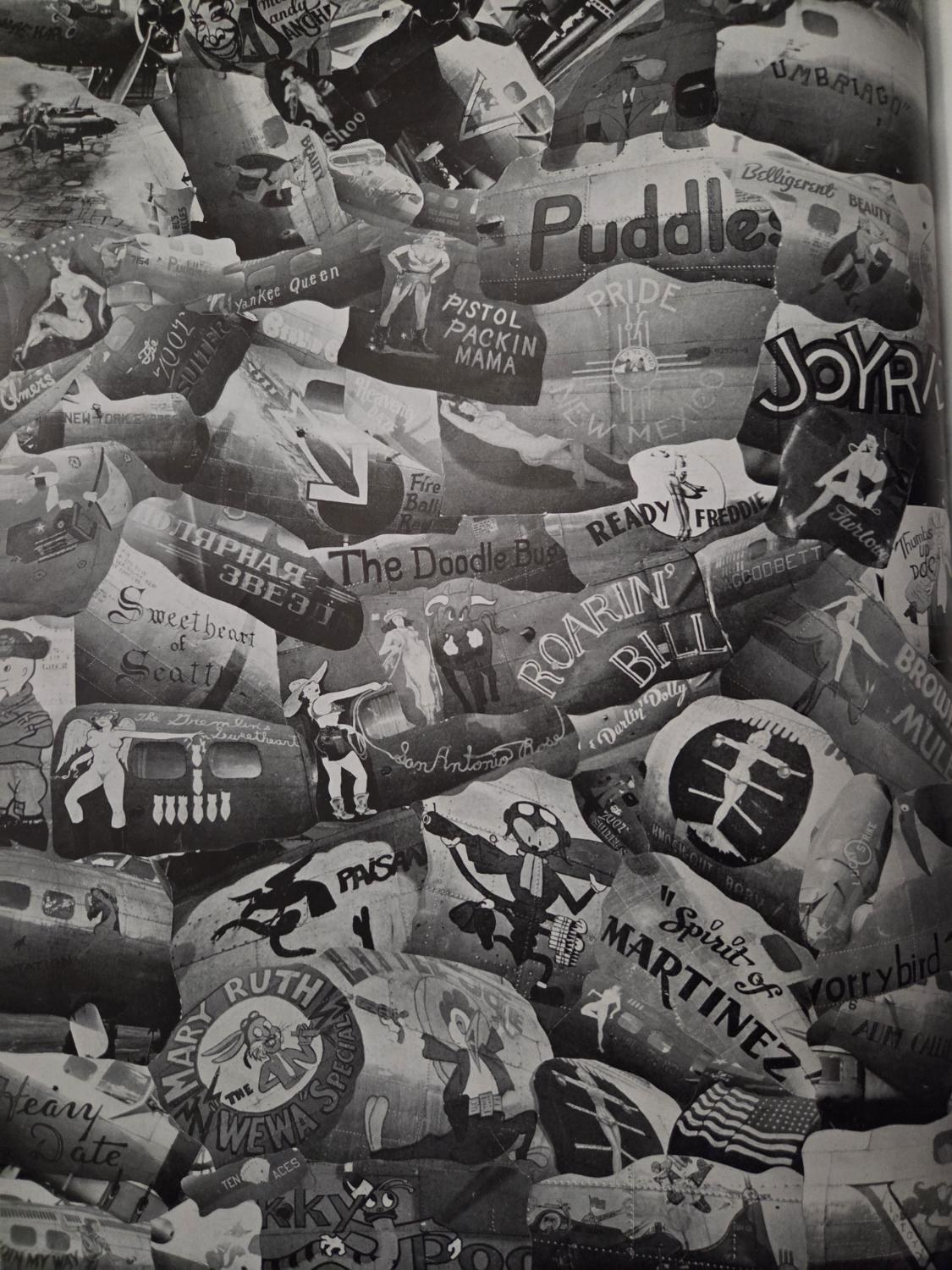
Photograph
Among the others
Family collection
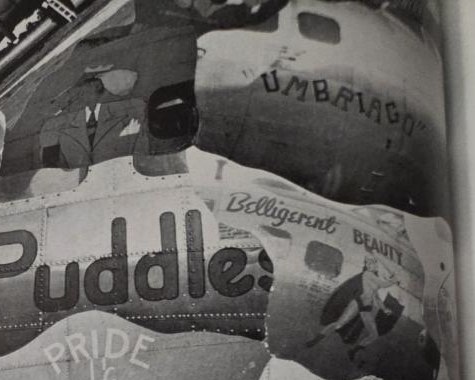
Photograph
Belligerent Beauty
Family collection
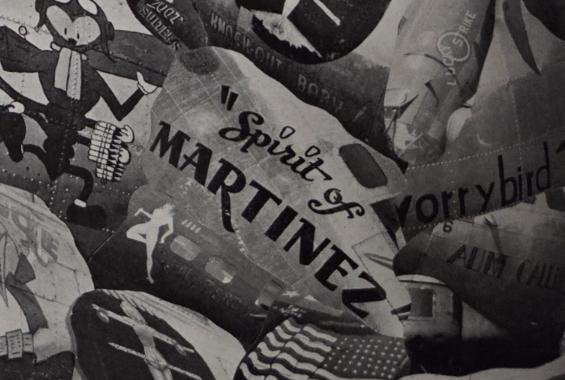
Photograph
The name among the others
Family collection
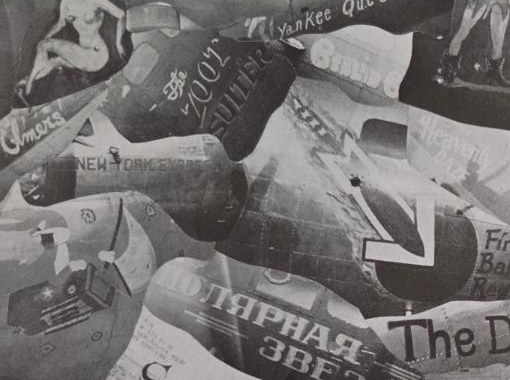
Photograph
Fire Ball Red
Family collection
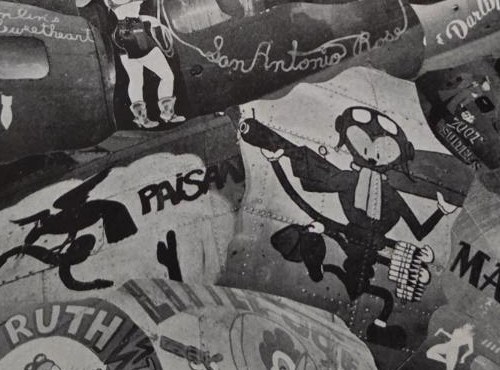
Photograph
Paisano
Family collection
Photograph · 3 March 1945
Brunswick
Family collection
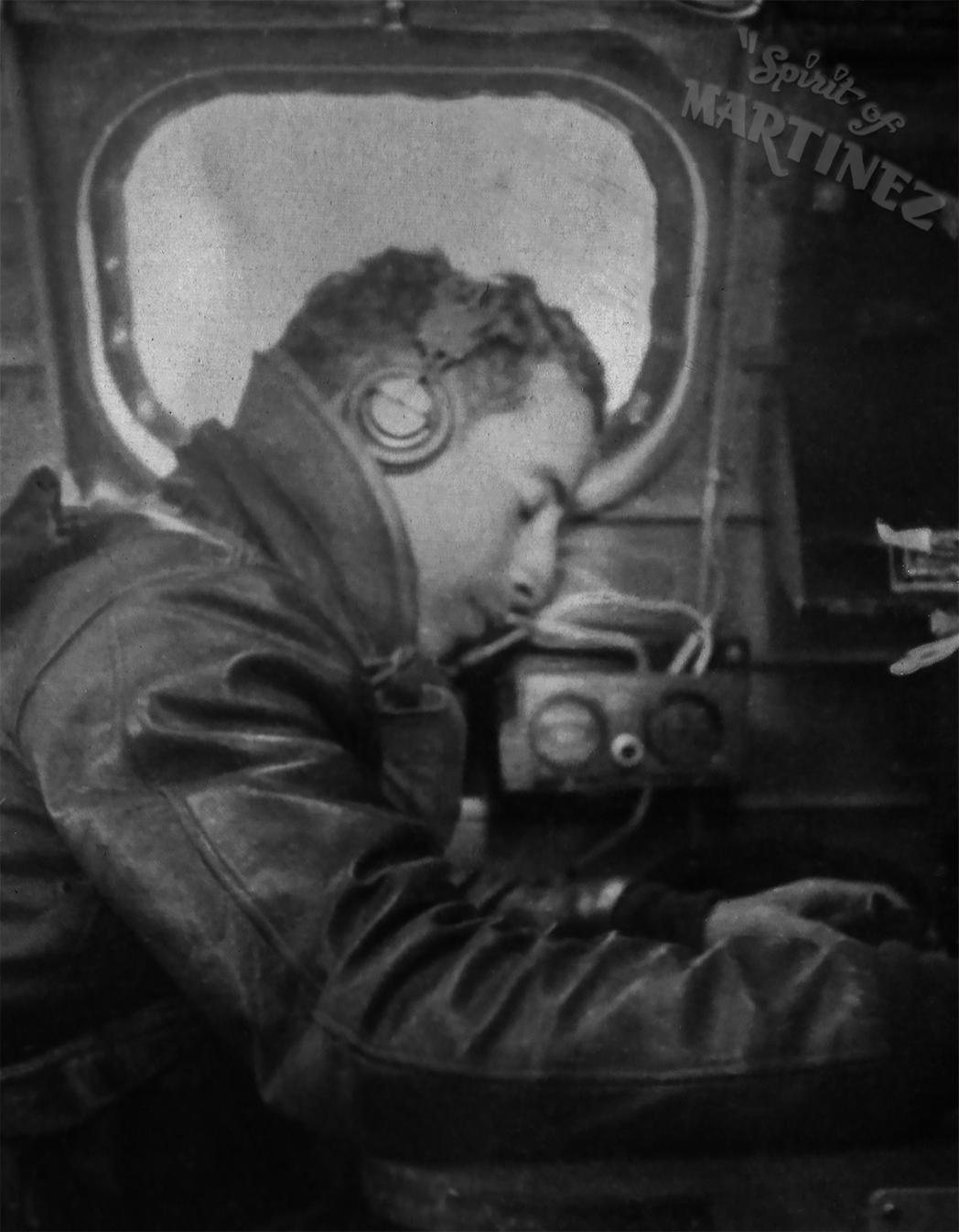
Photograph · 1945
Robert J. Brown
Family collection
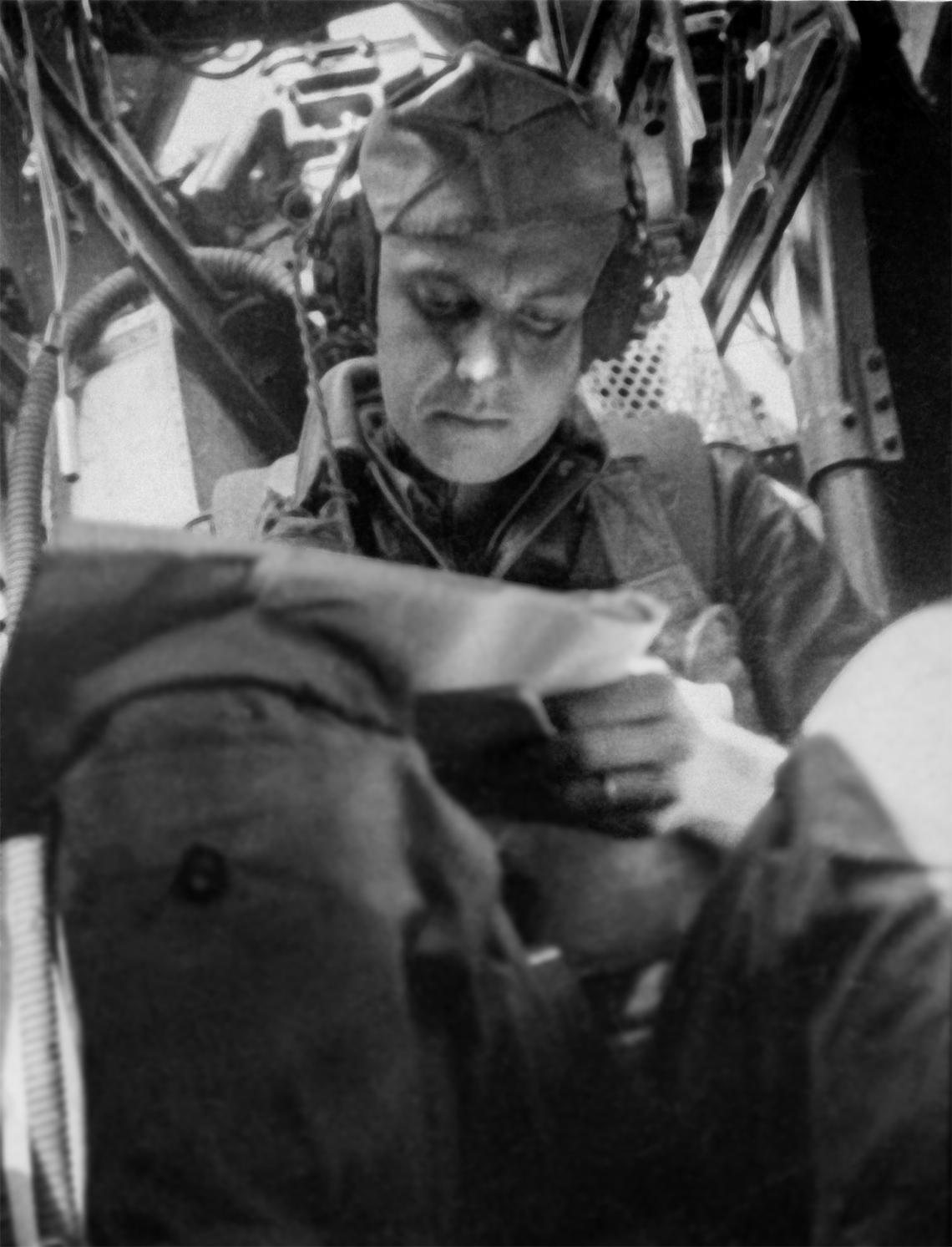
Photograph · 1945
John R. Barnes
Family collection
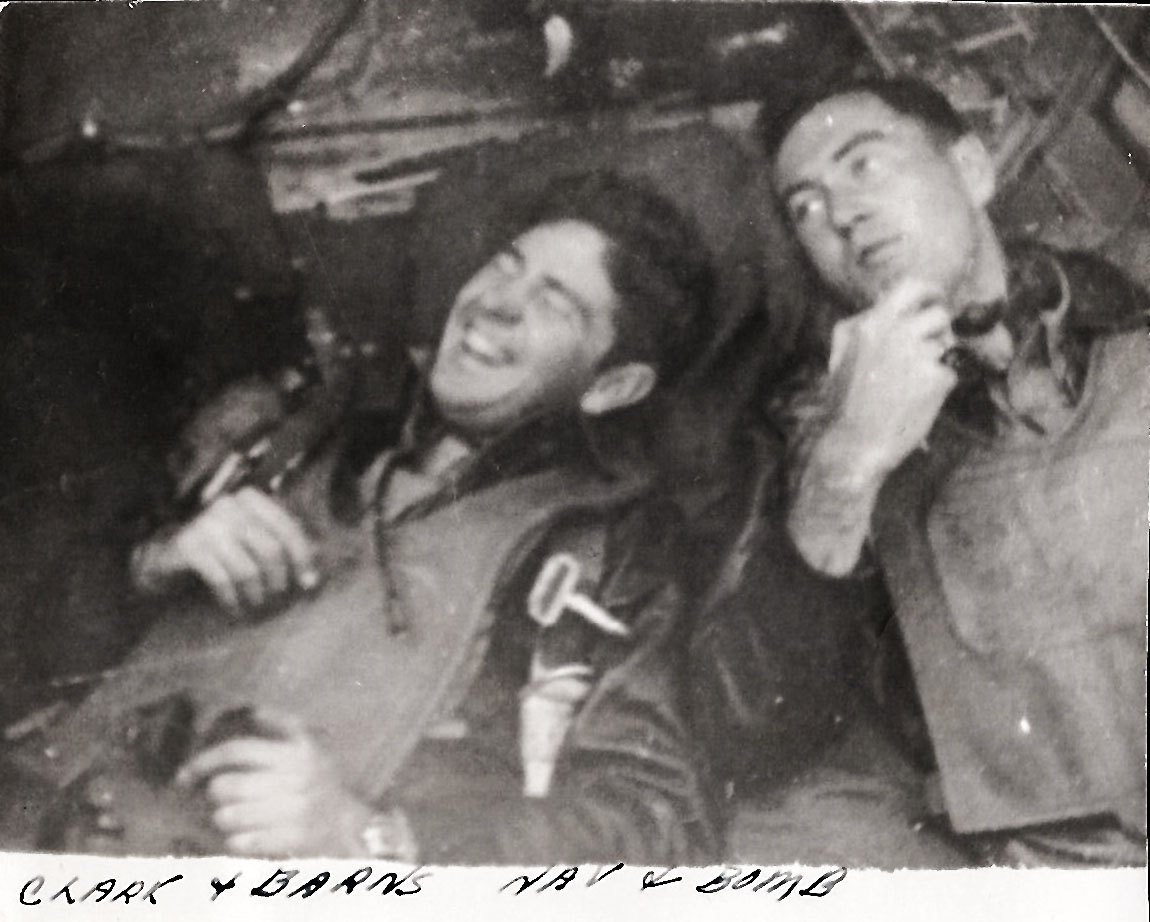
Photograph
Clark and Barnes
Family collection
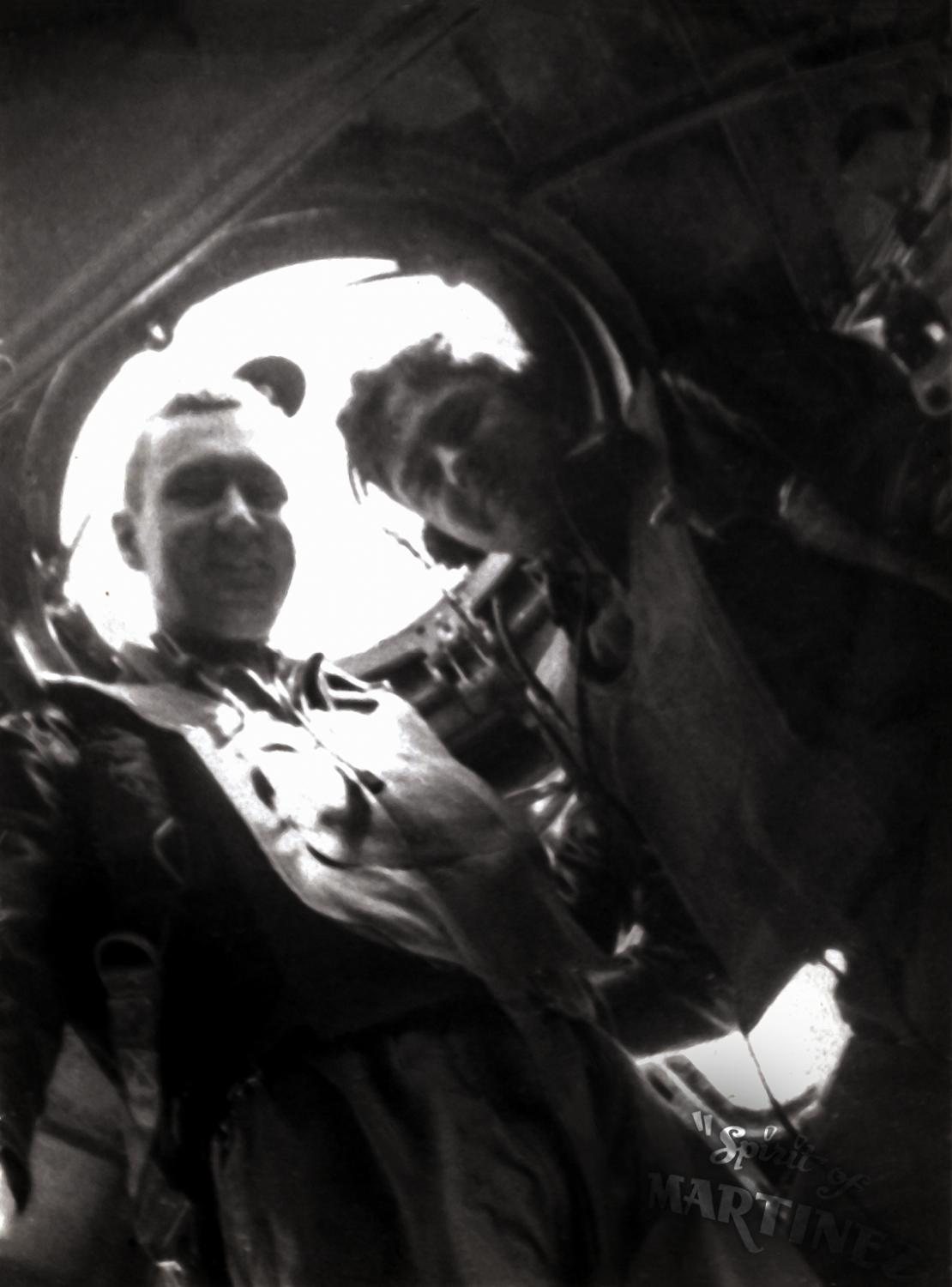
Photograph · 1945
Earle F. Bogacki
Family collection
Photograph · 1945
James A. Titus
Family collection
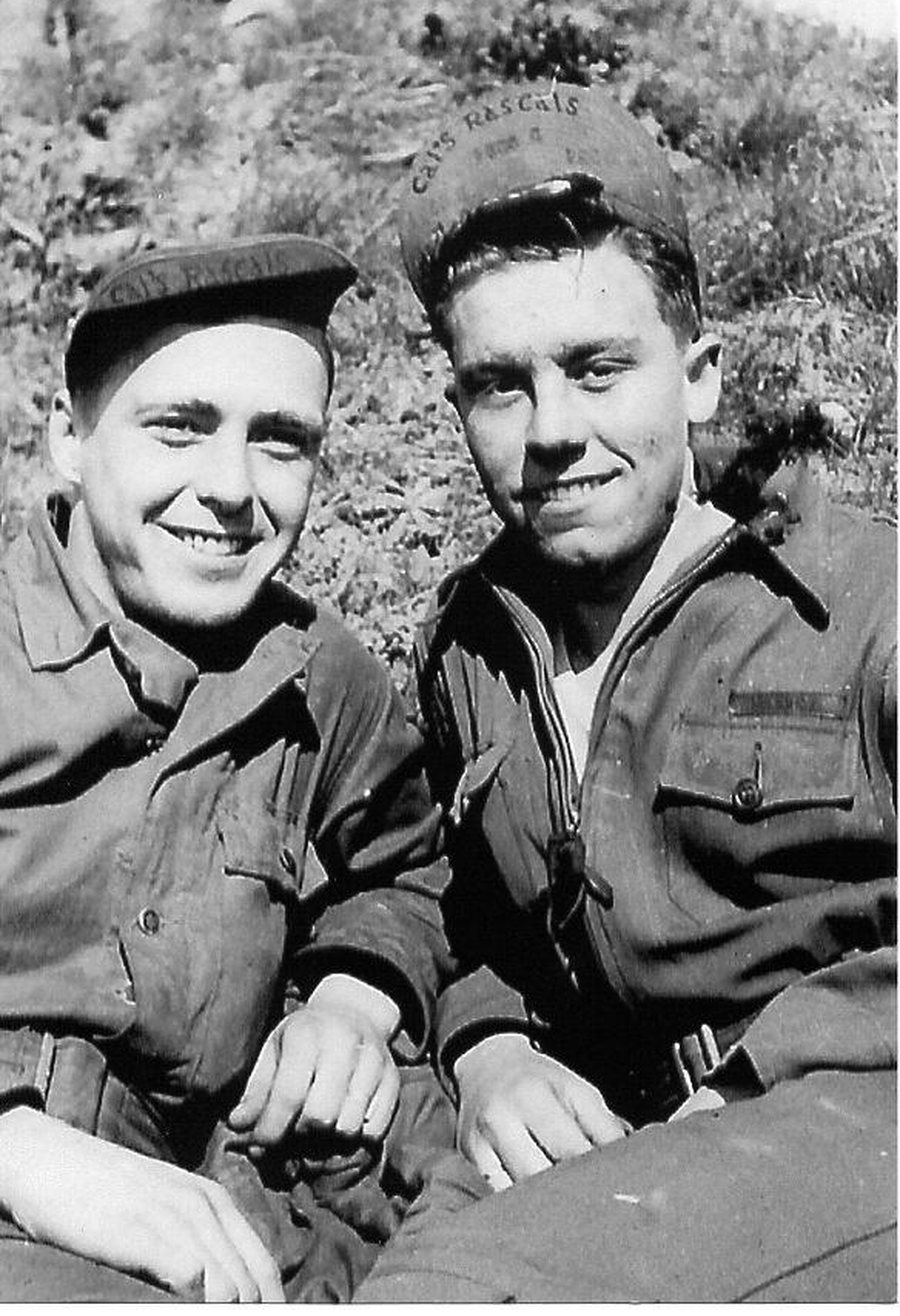
Photograph
Collins and Markus
Family collection
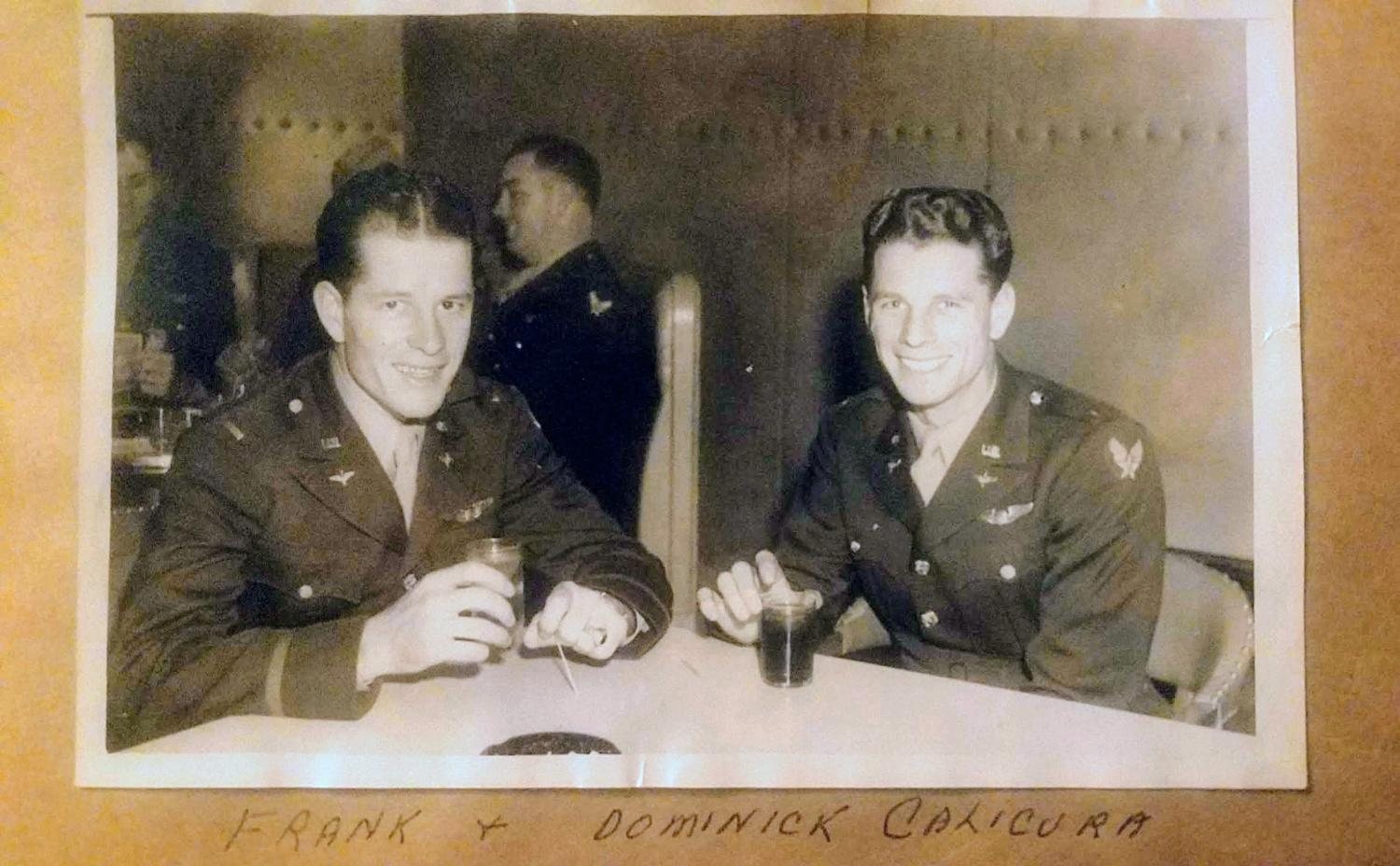
Photograph · c. 1944
Frank and Dominic
Family collection
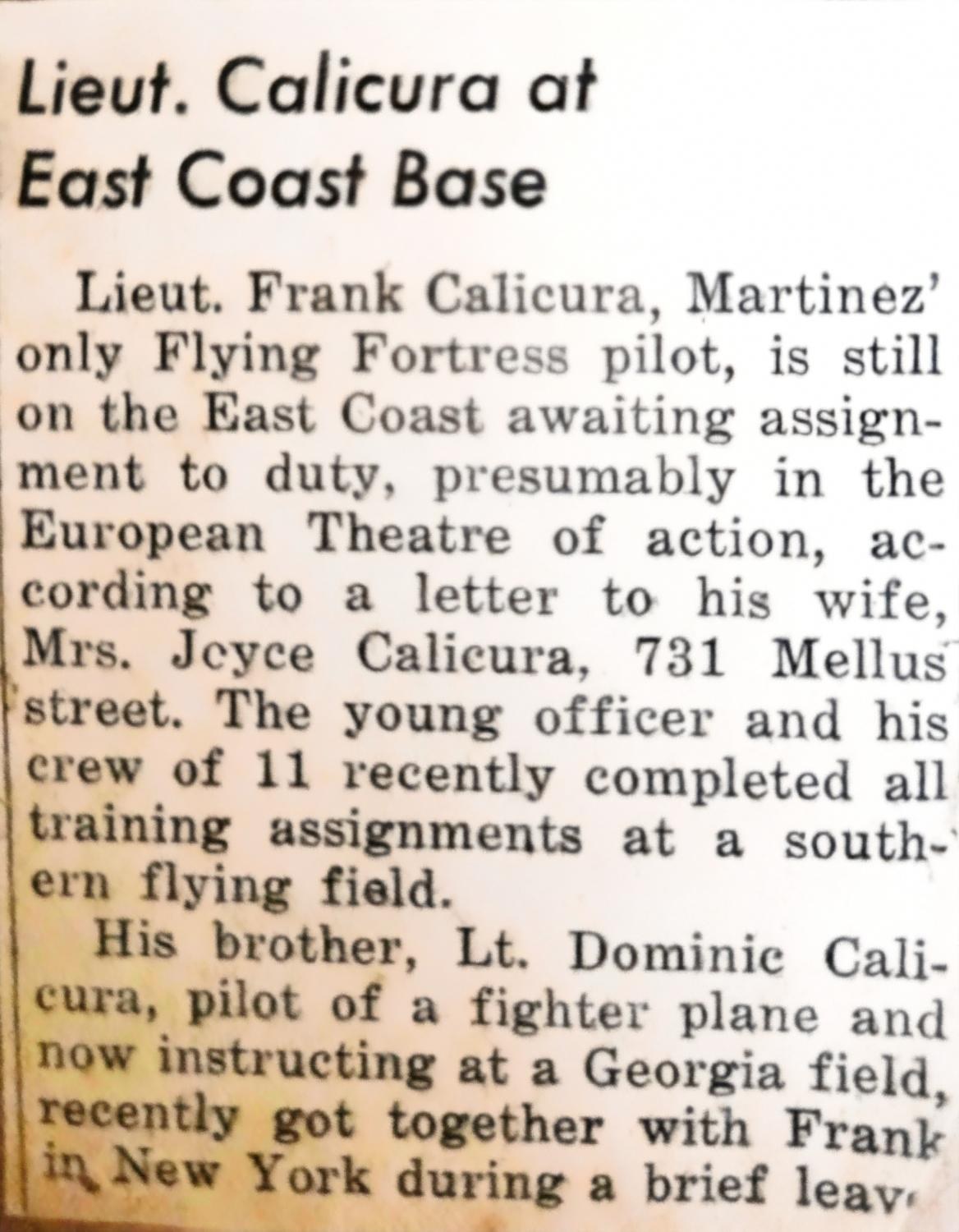
Object · December 1944
Lieut. Calicura at East Coast Base
Family collection
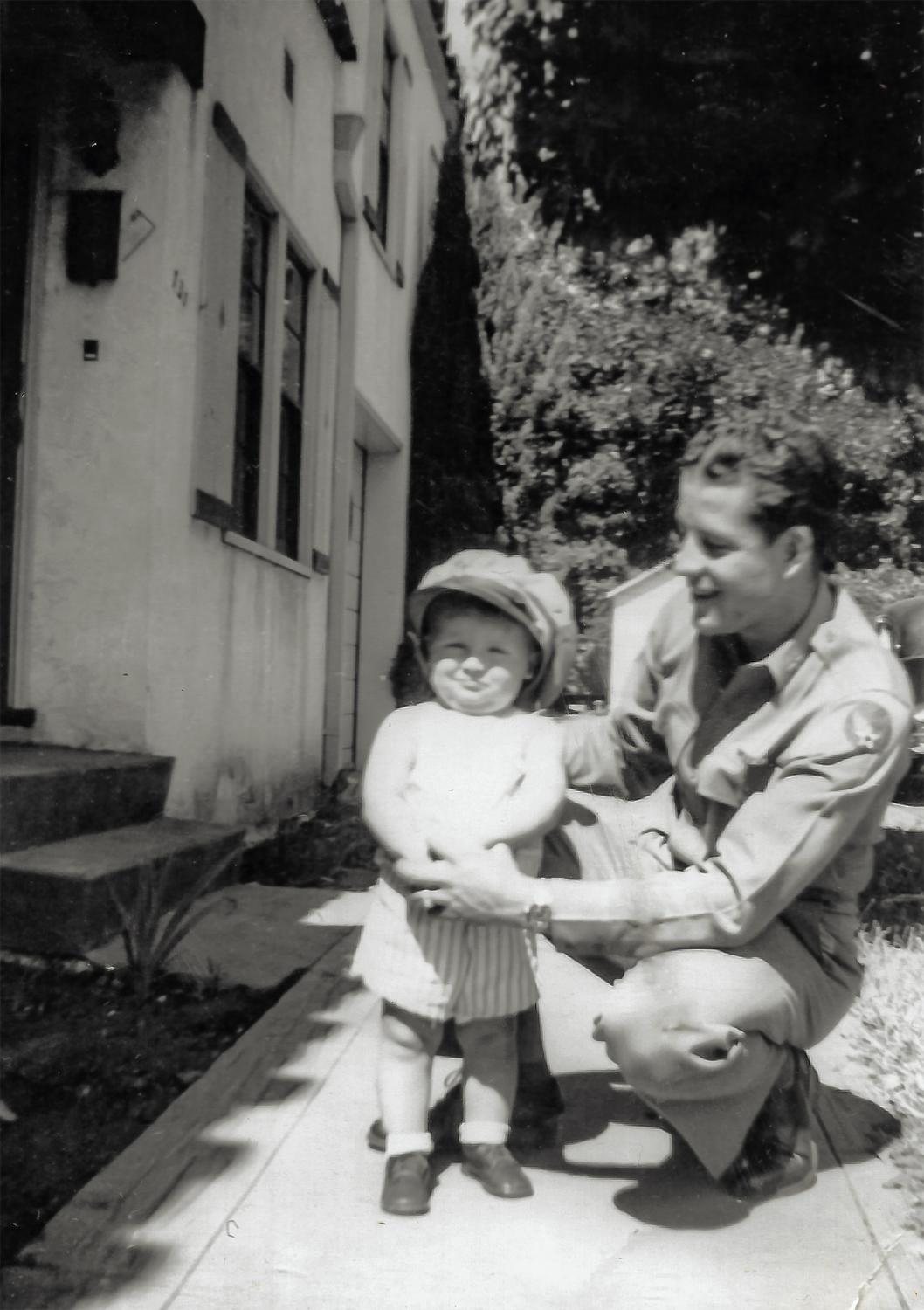
Photograph
Frank and Jimmy
Family collection
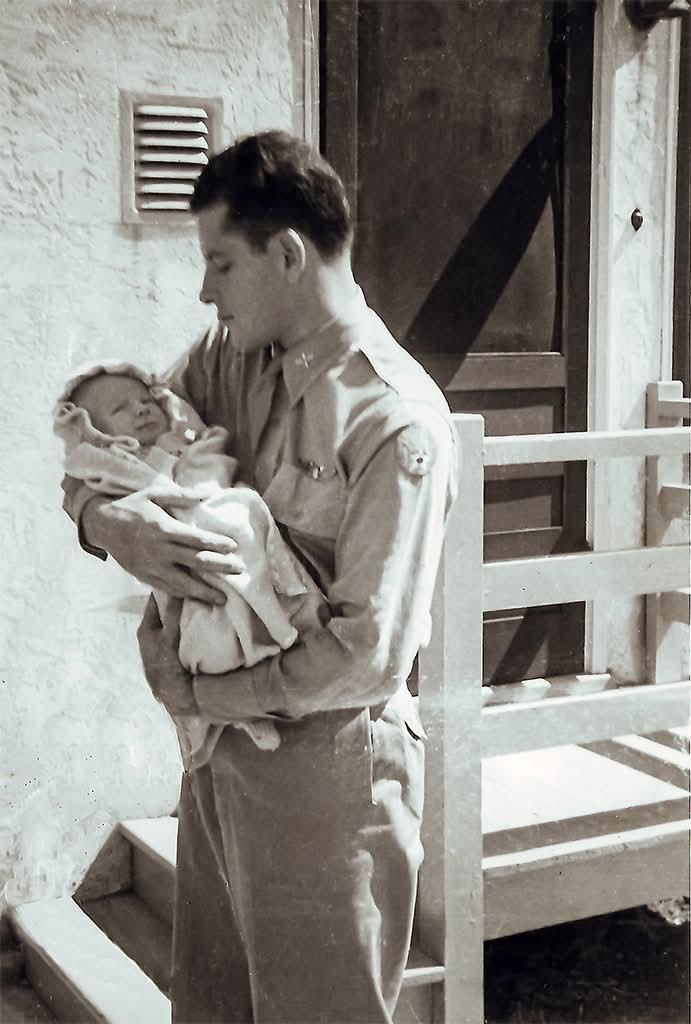
Photograph · July 1944
The first time
Family collection
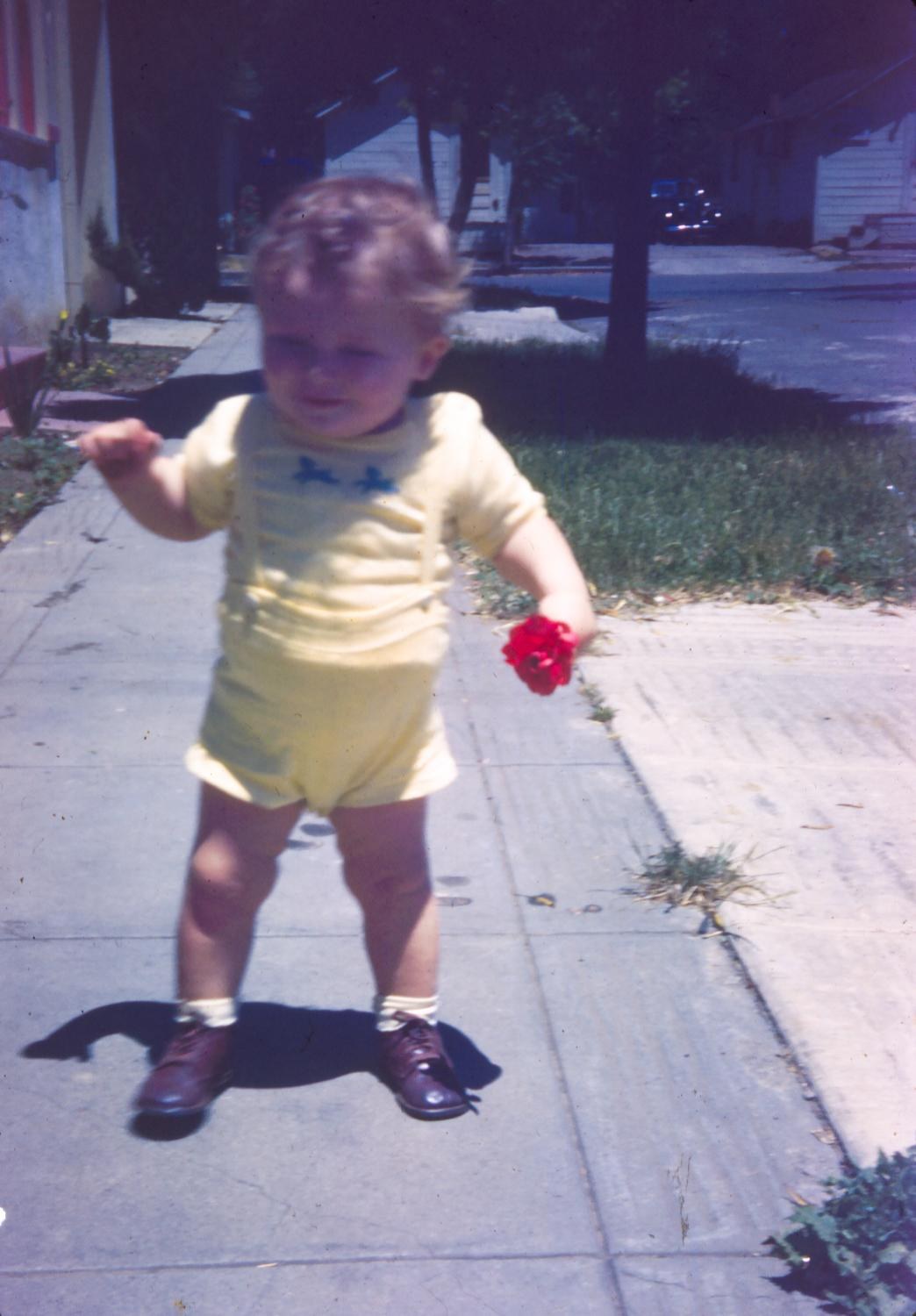
Photograph · c. 1945
Jimmy, about one year
Family collection
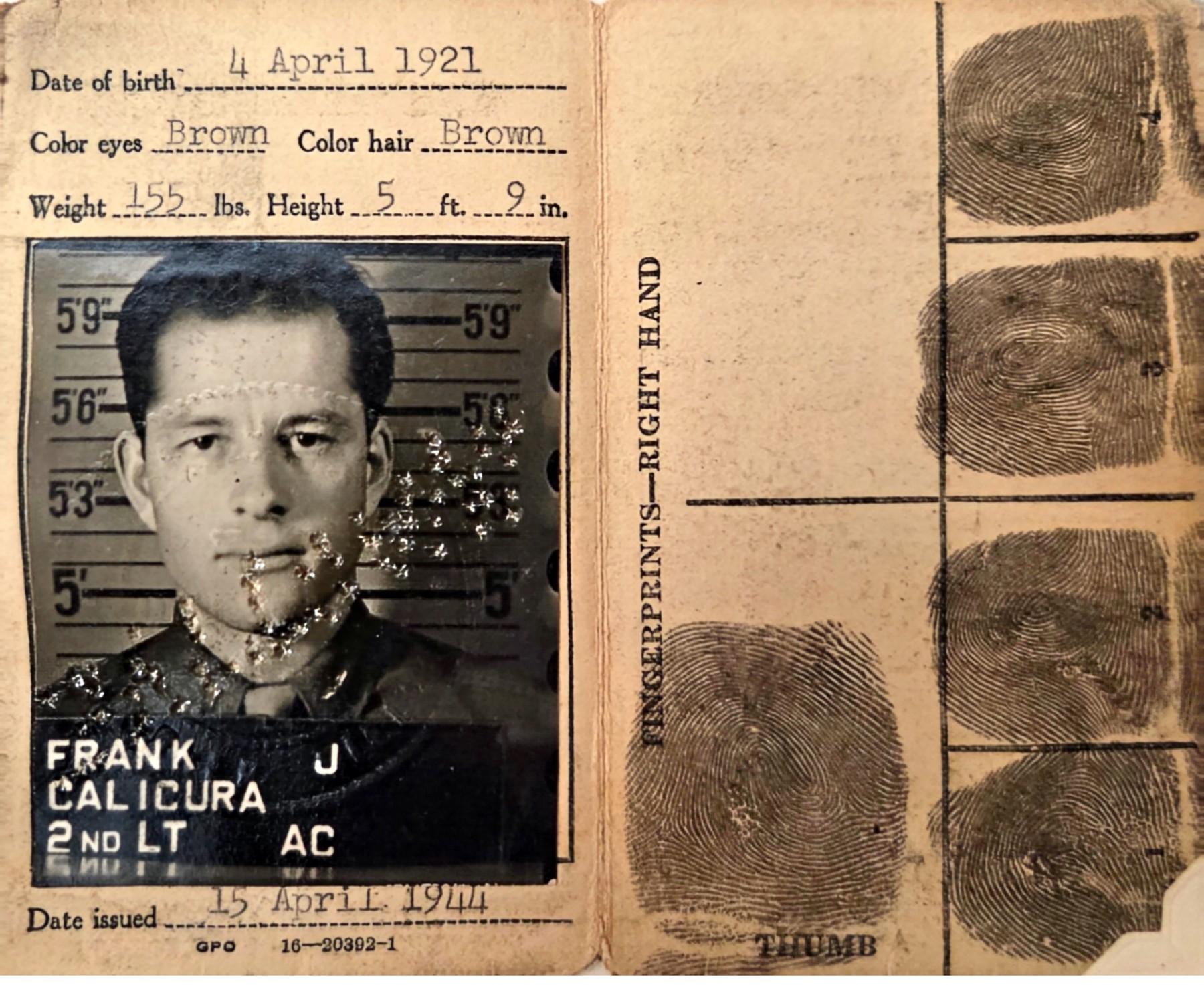
Photograph · 15 April 1944
Identity card
Family collection
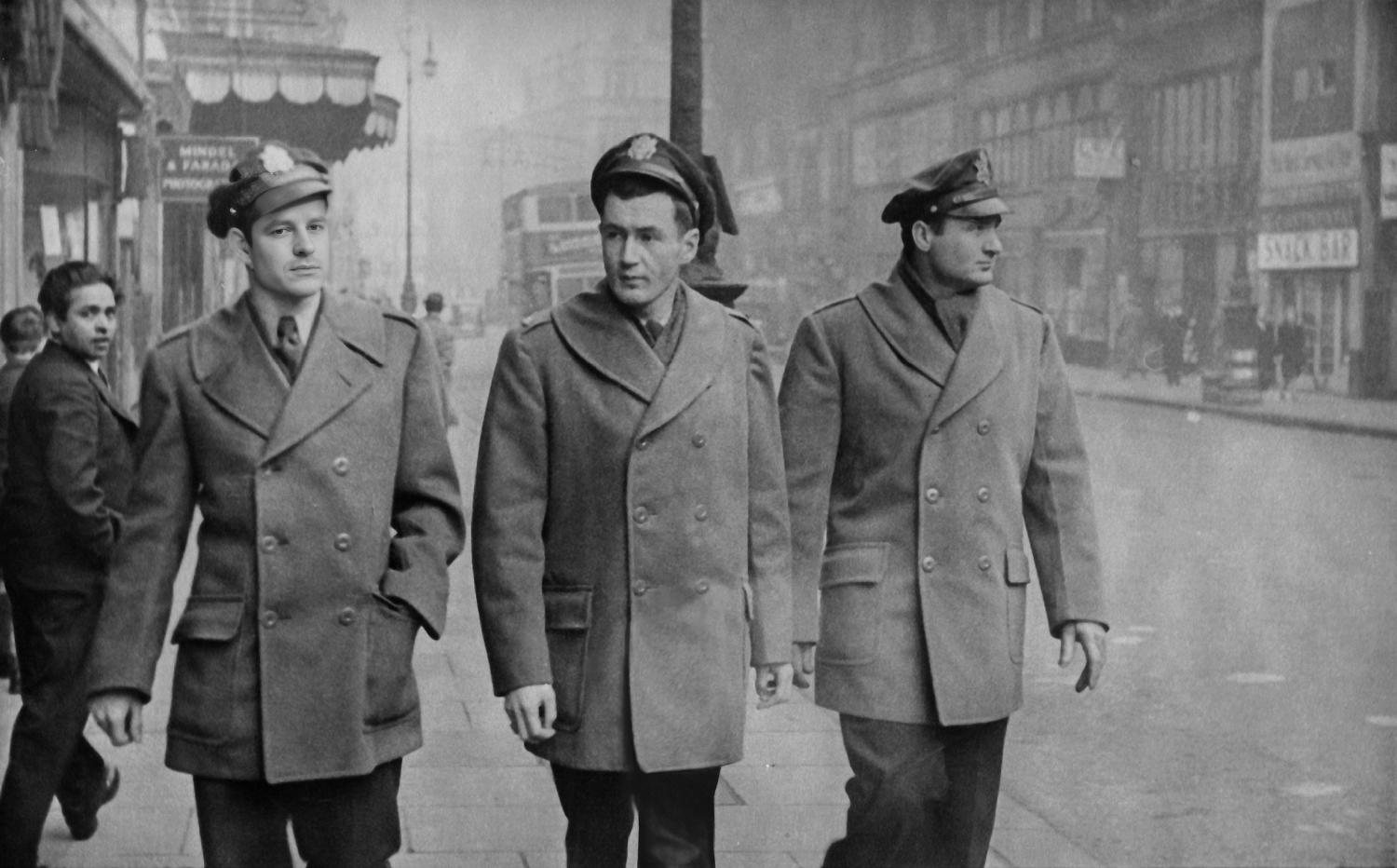
Photograph · 1945
Oxford Street
Family collection
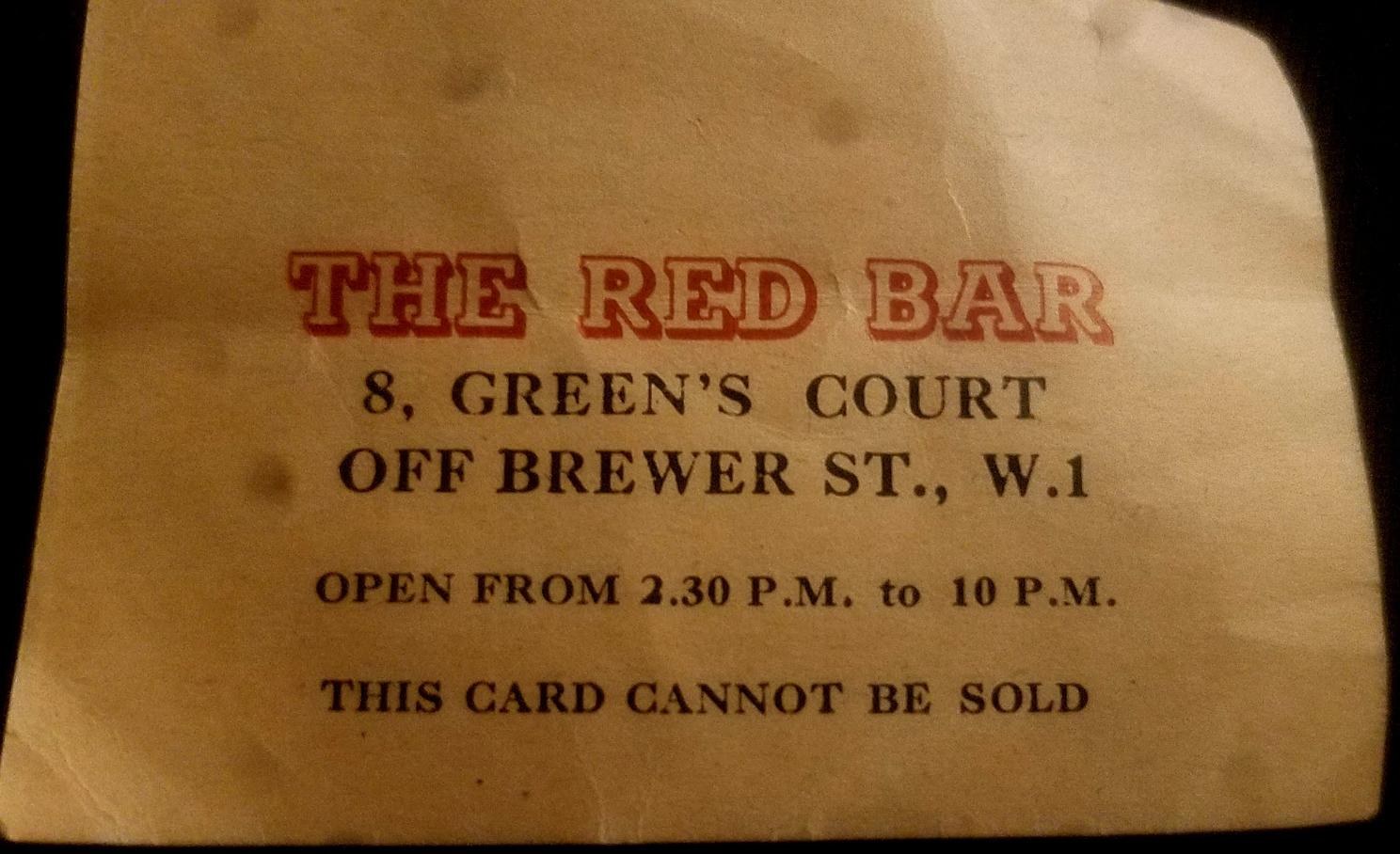
Object · 1945
The Red Bar
Family collection
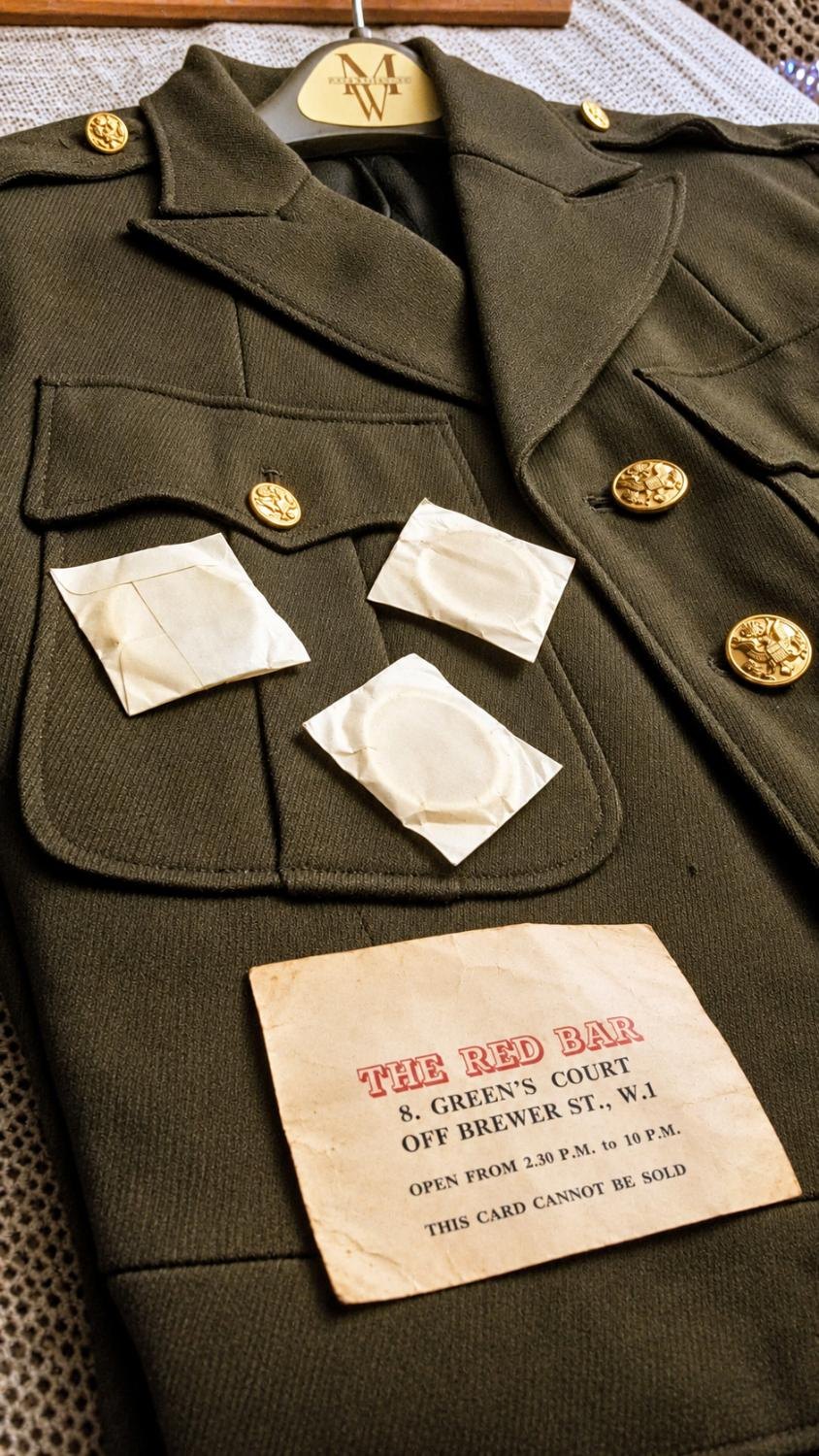
Photograph
The pocket
Family collection
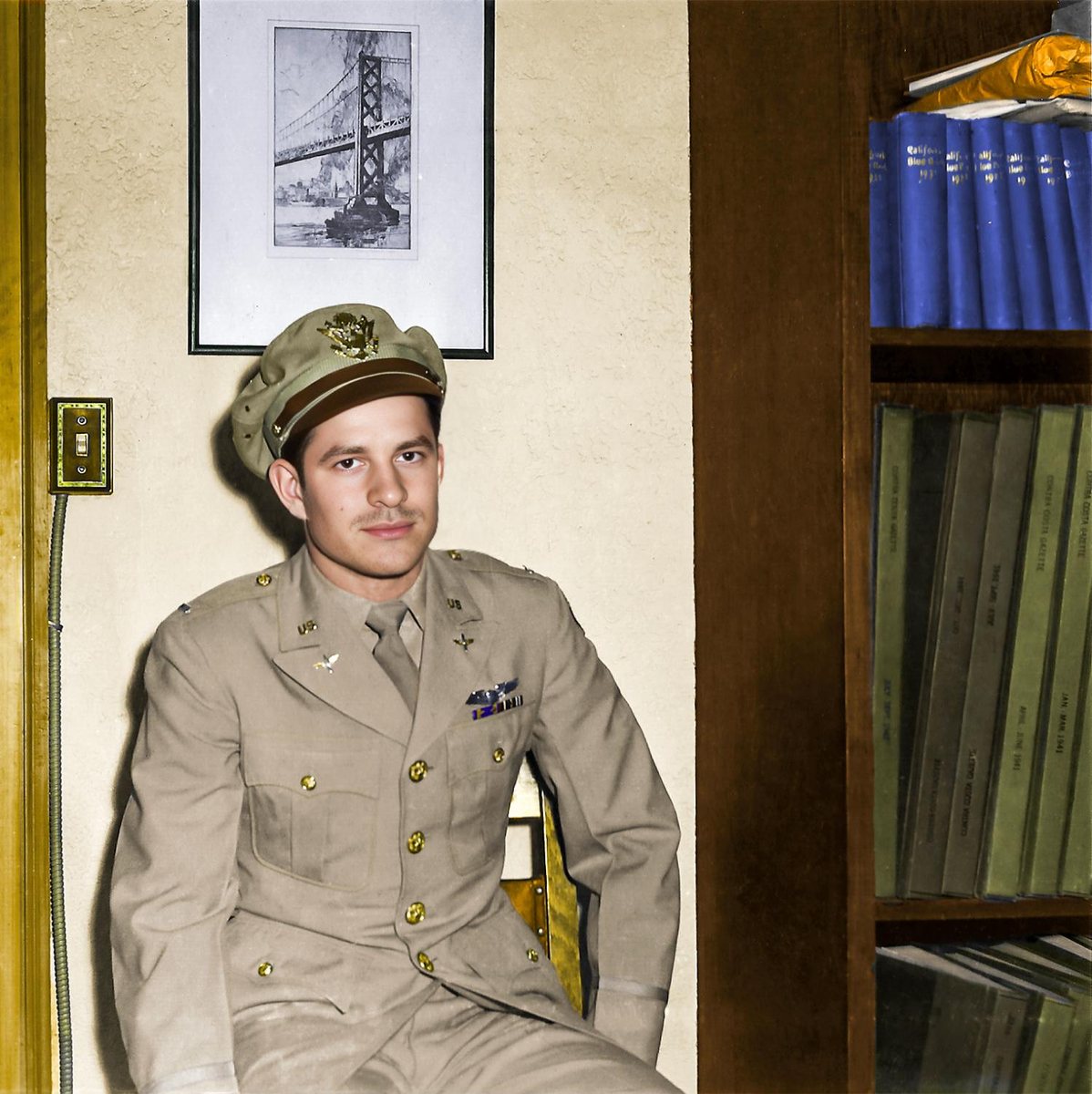
Photograph · summer 1945
At the Gazette
Family collection
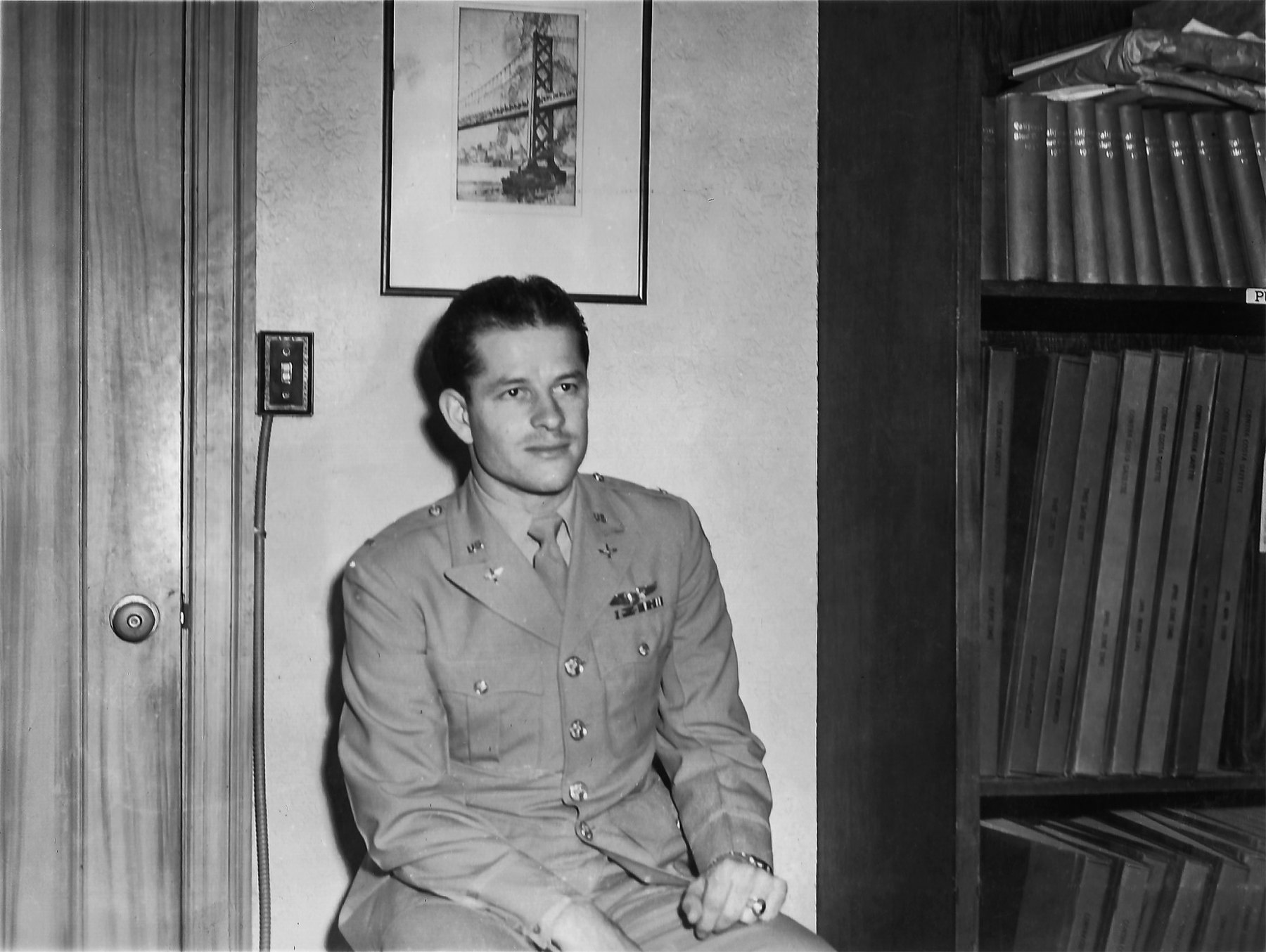
Photograph
At the Gazette, the cap off
Family collection
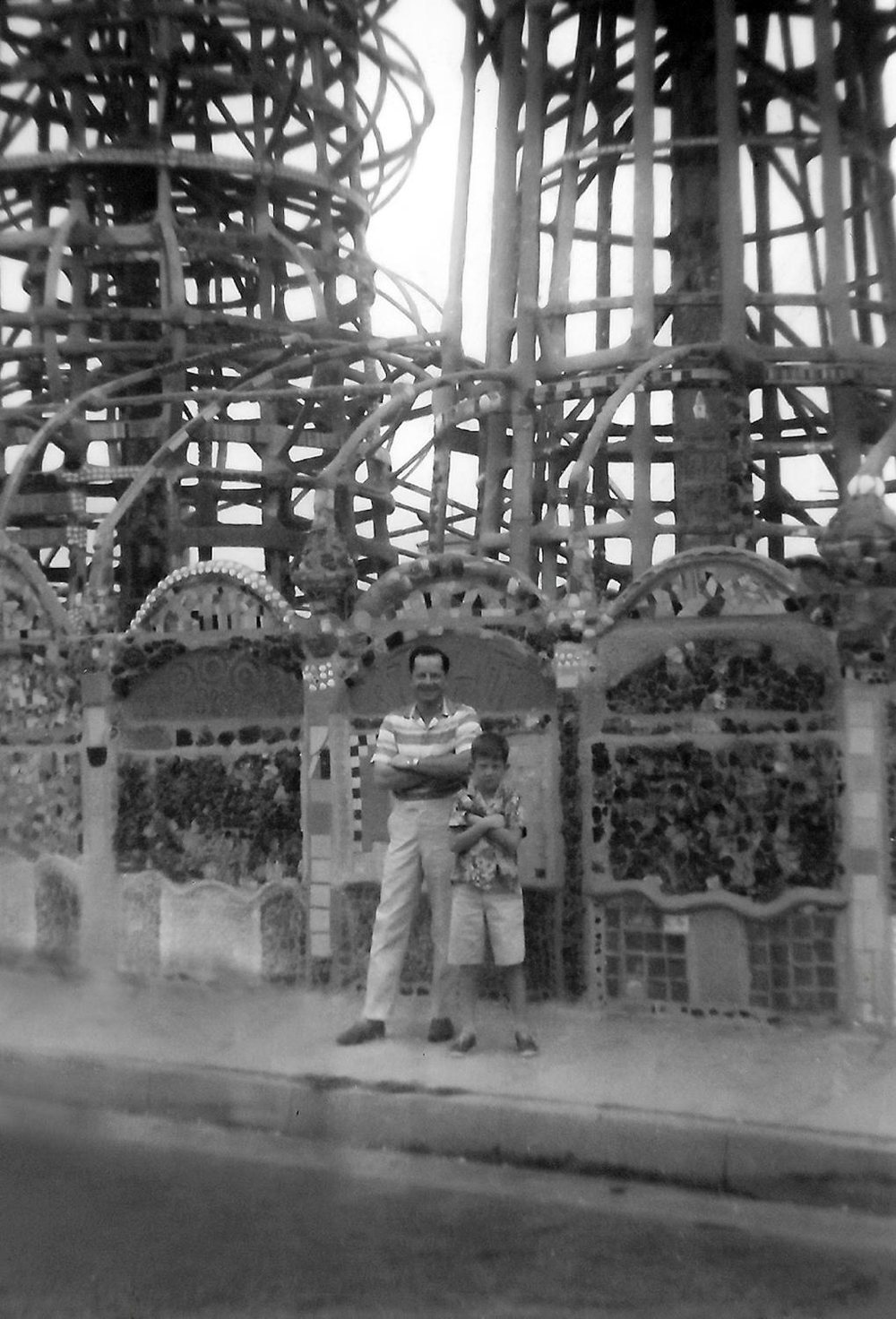
Photograph · c. 1958
Watts Towers
Family collection
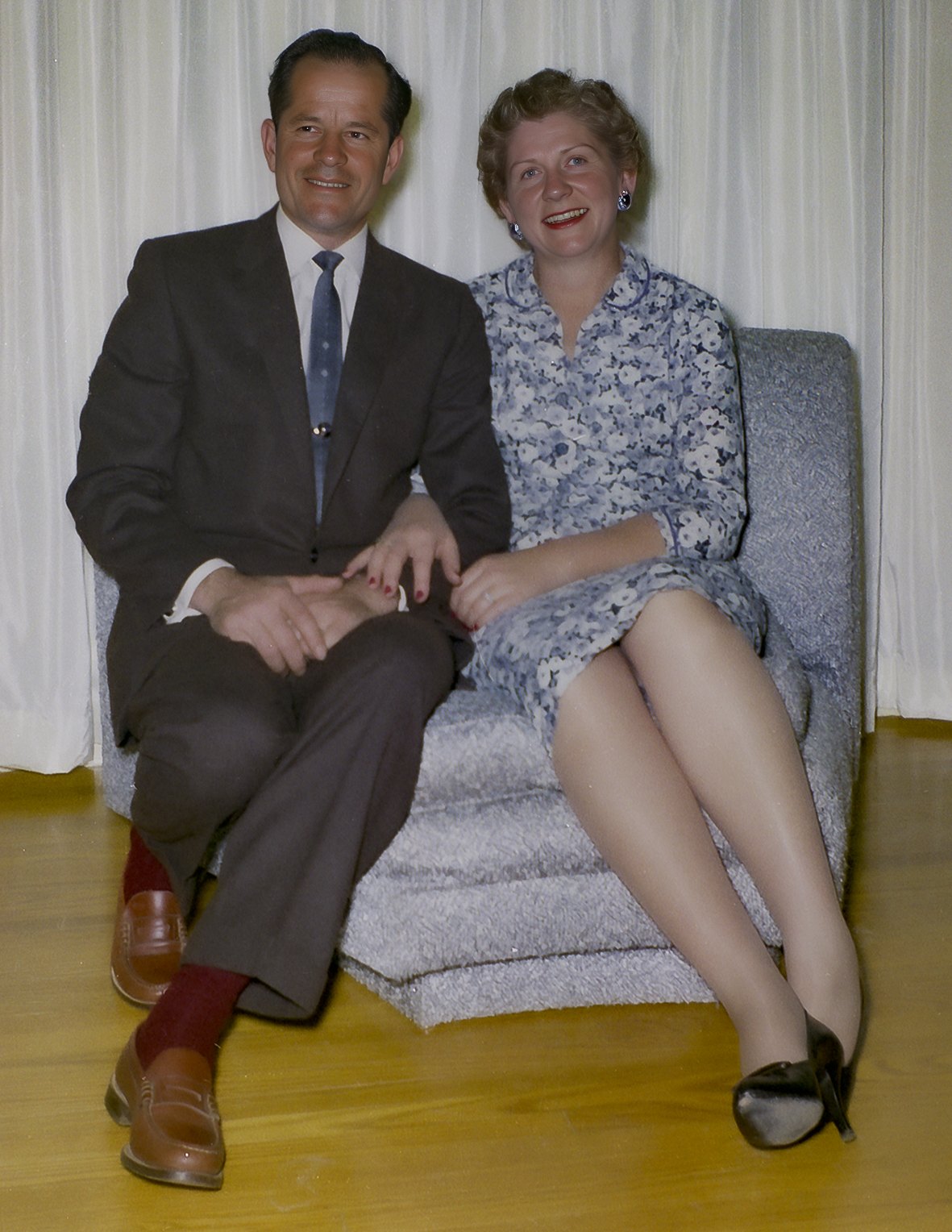
Photograph · 1958
Frank and Joyce, 1958
Family collection
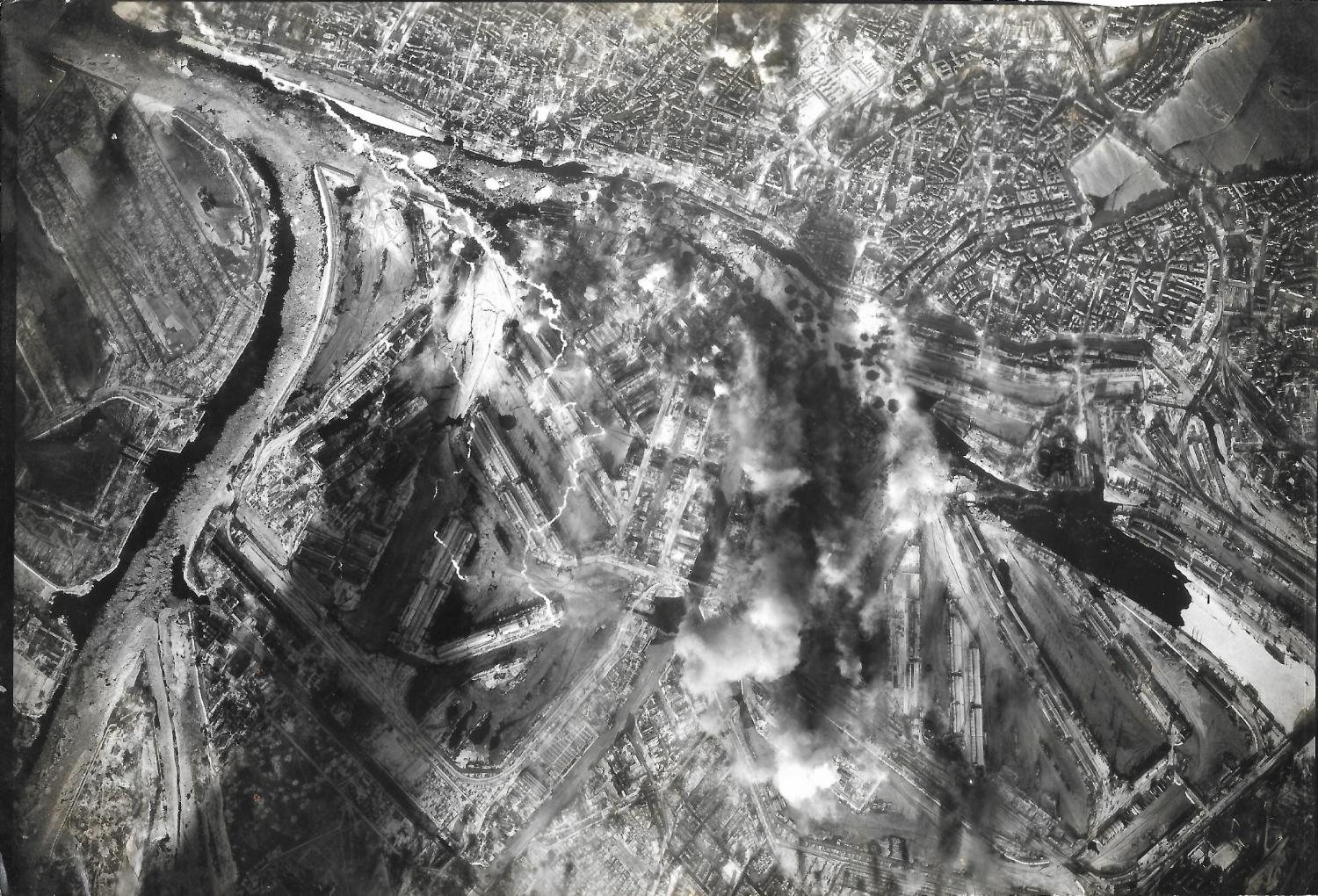
Photograph · 20 March 1945
Hamburg
Family collection
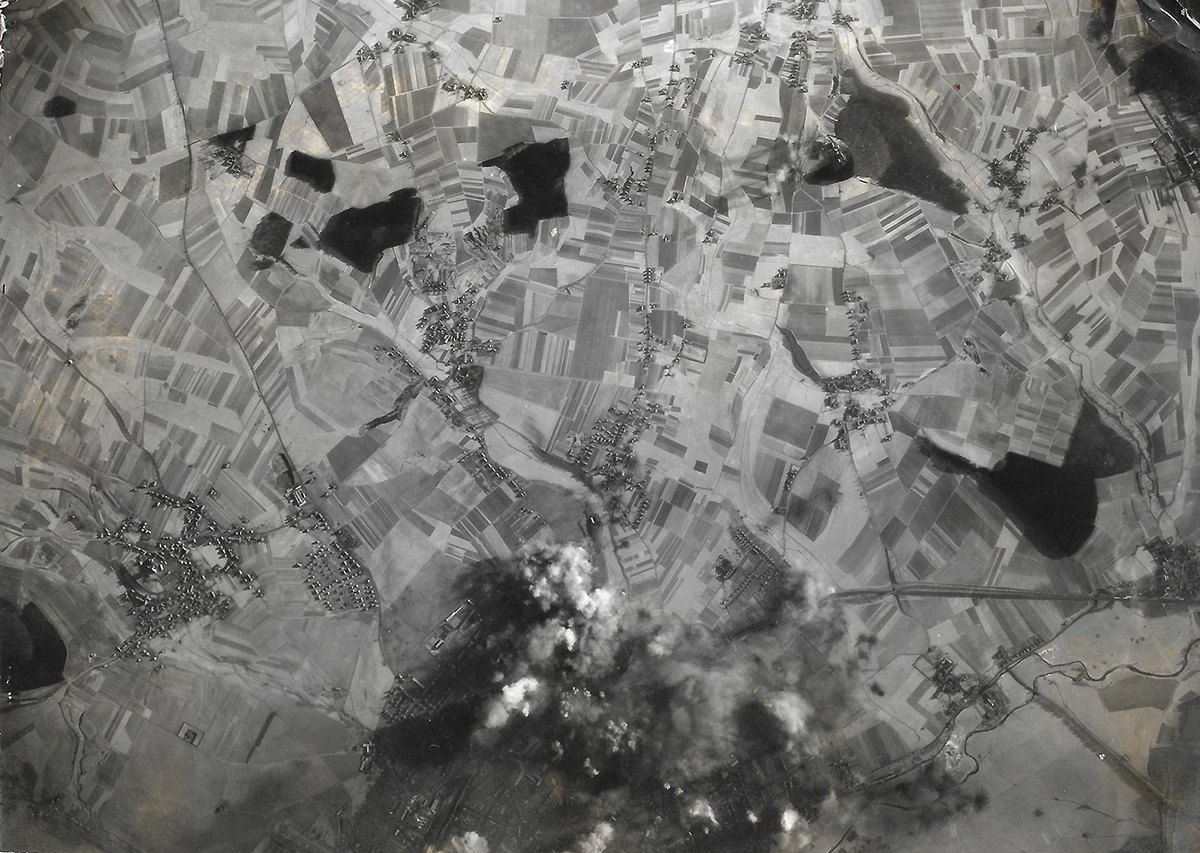
Photograph
Somewhere in Germany
Family collection
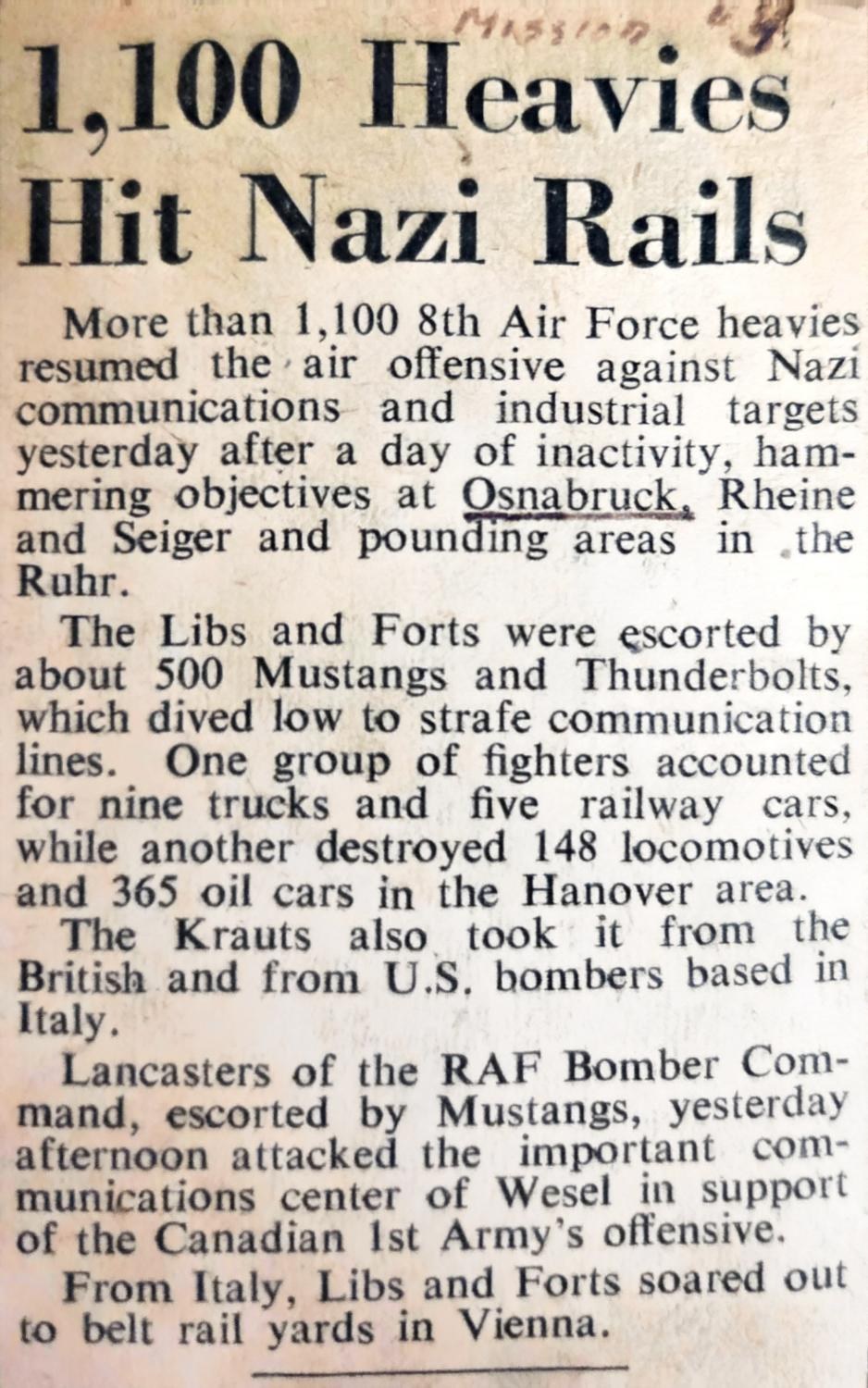
Object · 19 February 1945
1,100 Heavies Hit Nazi Rails
Family collection
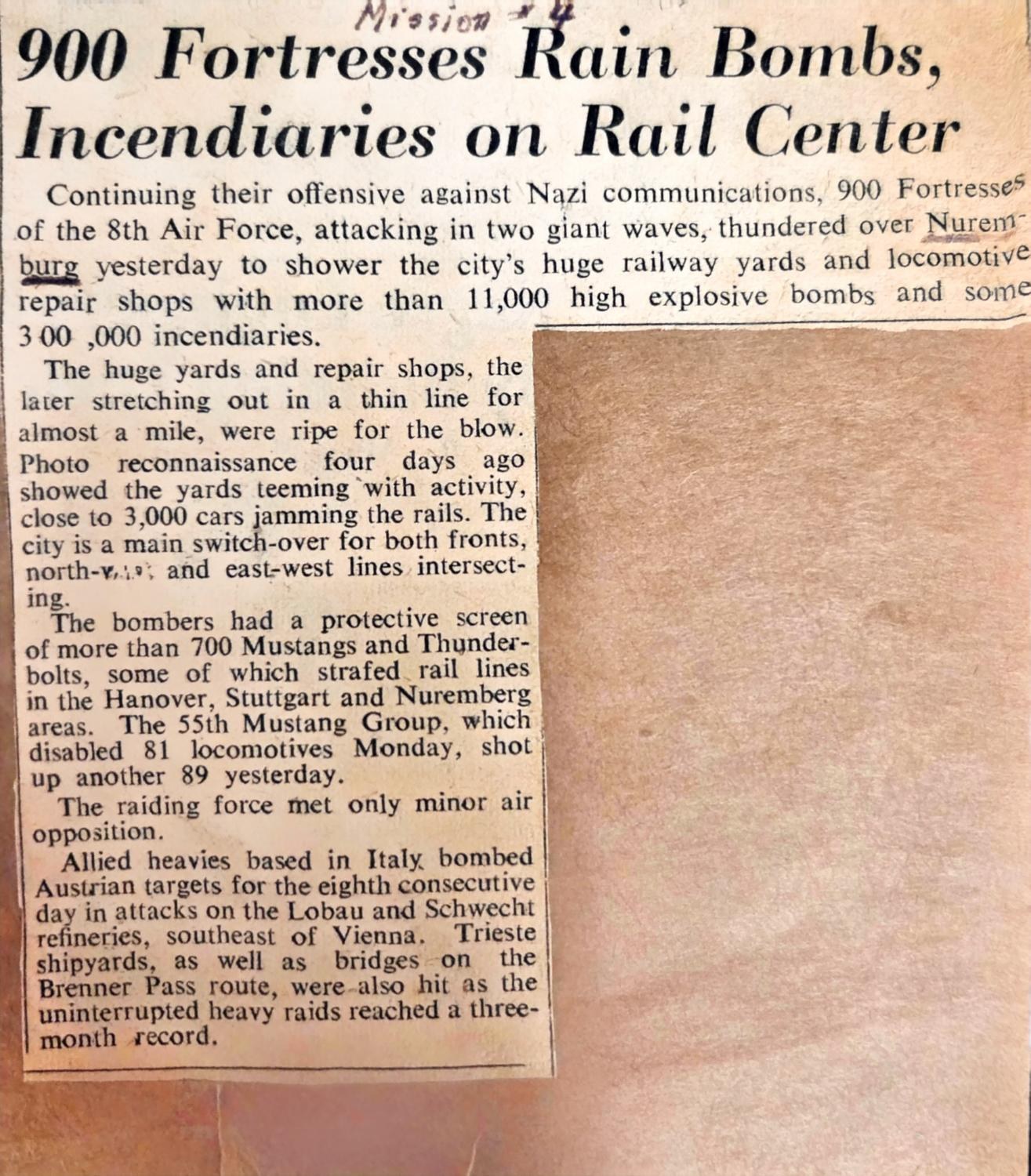
Object · 20 February 1945
900 Fortresses Rain Bombs
Family collection
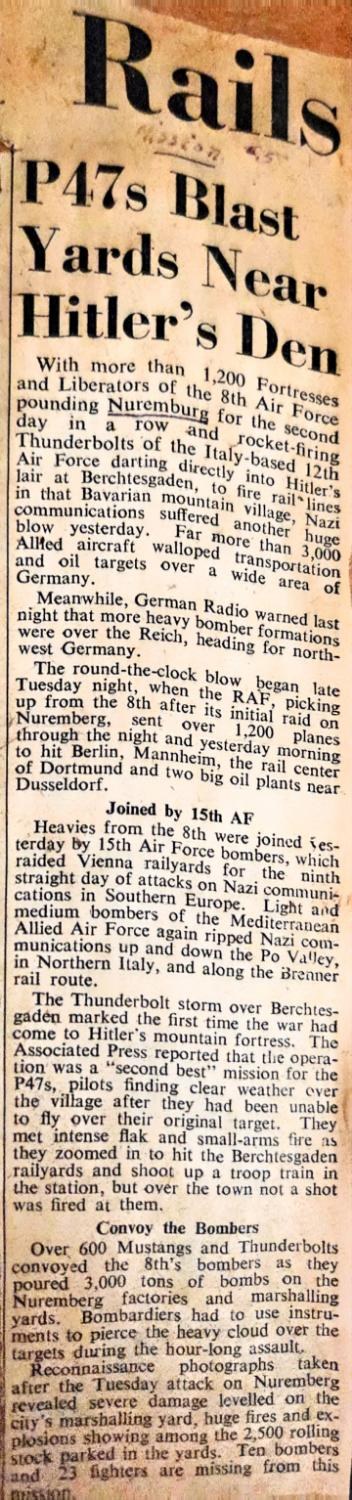
Object · 21 February 1945
P47s Blast Yards Near Hitler’s Den
Family collection
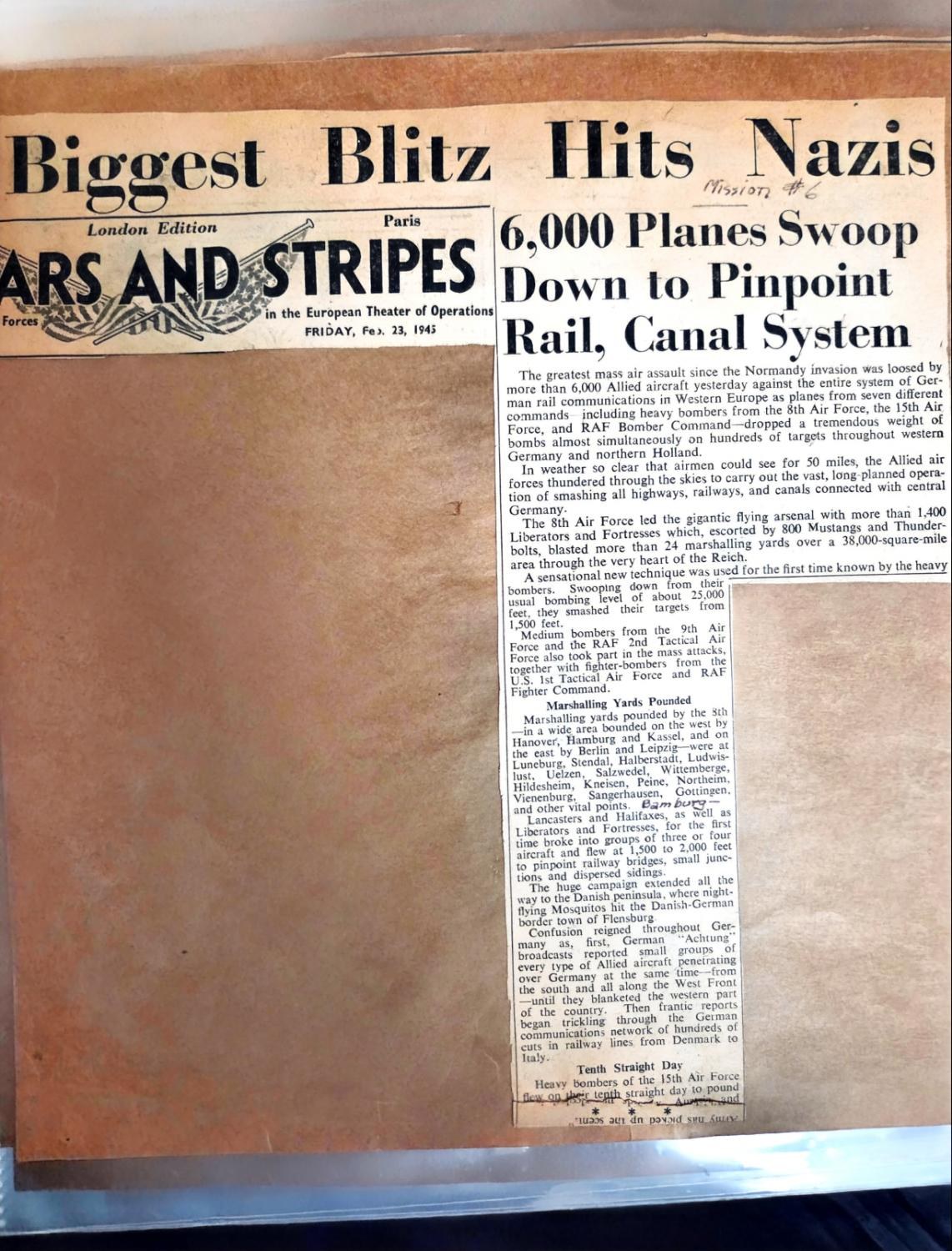
Object · 23 February 1945
Biggest Blitz Hits Nazis
Family collection
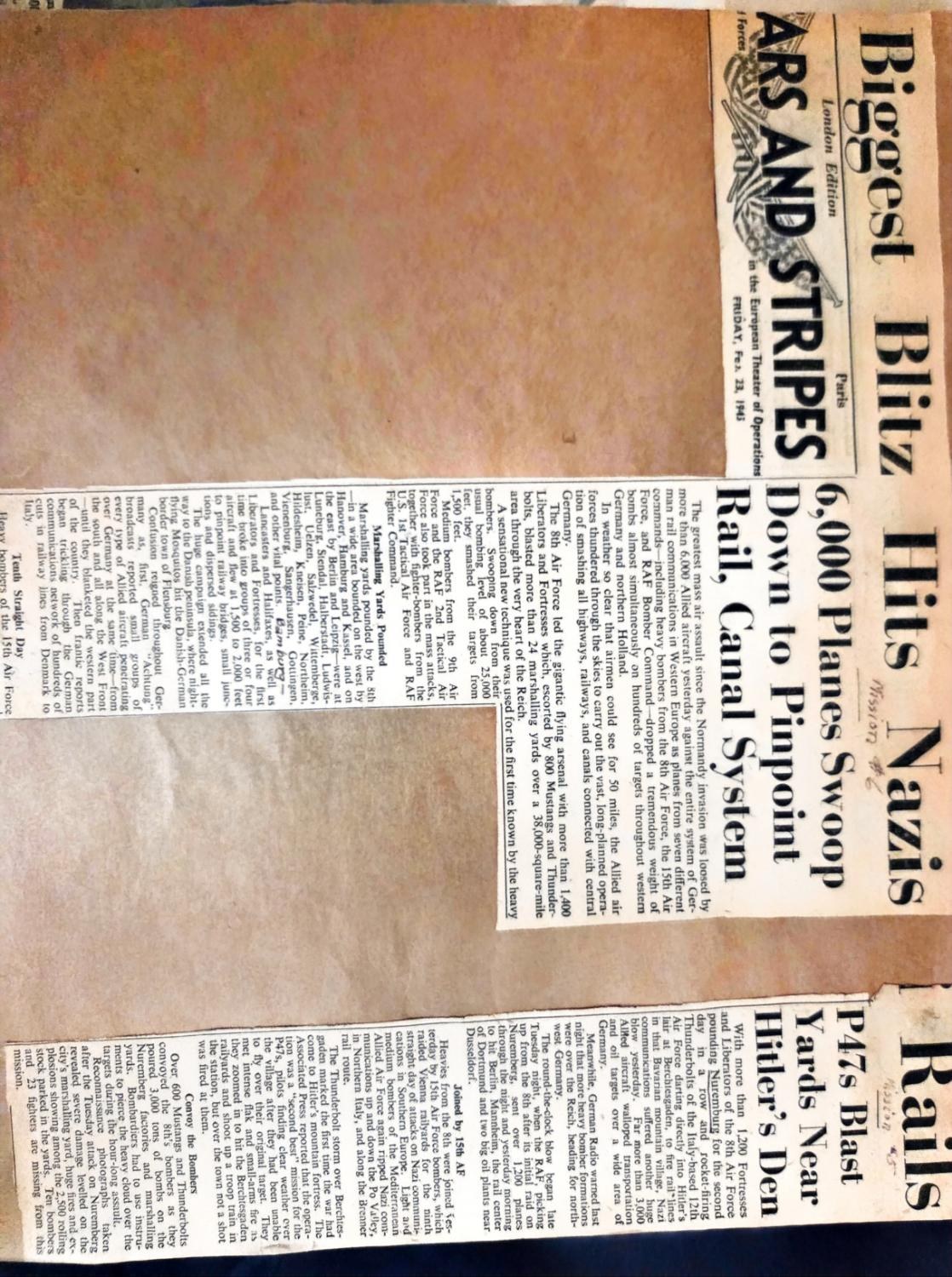
Object · 23 February 1945
The Friday paper
Family collection
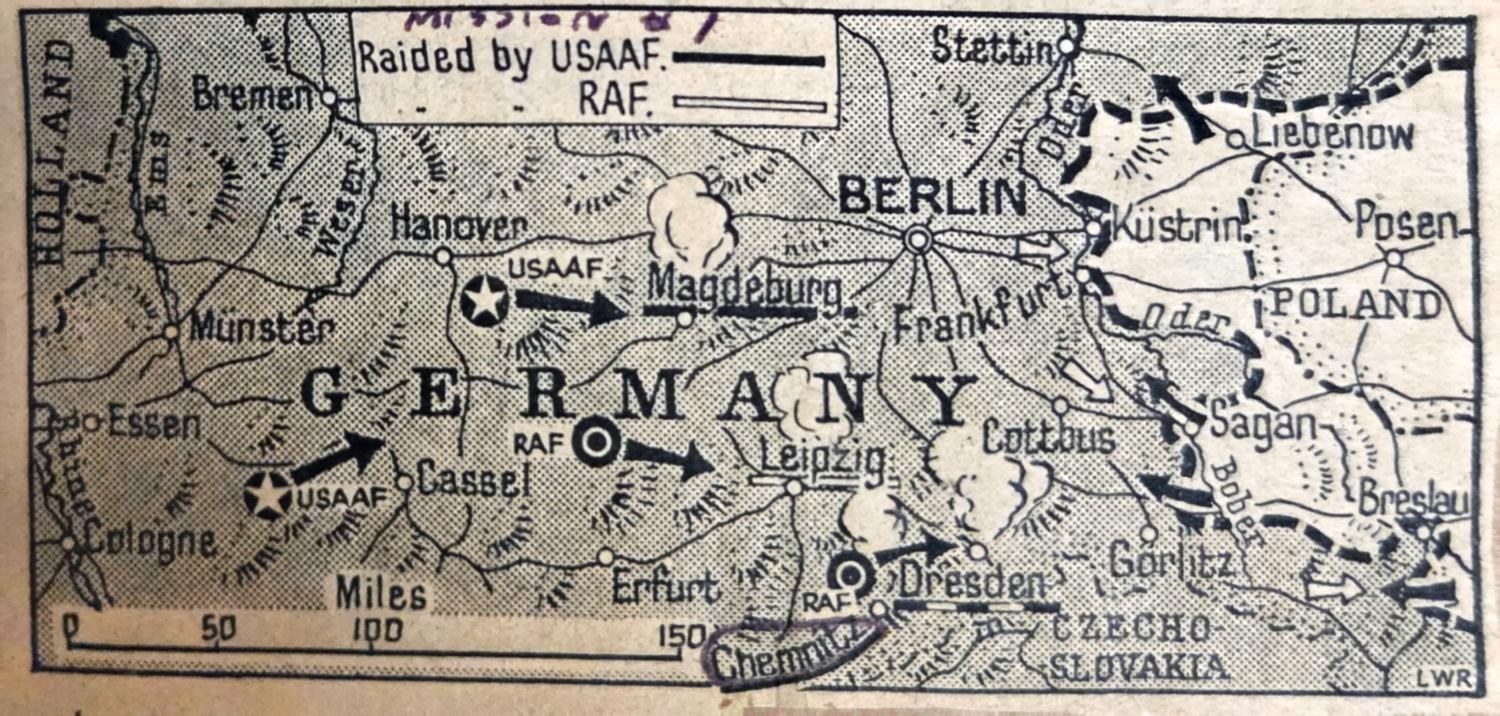
Object · February 1945
Chemnitz circled
Family collection
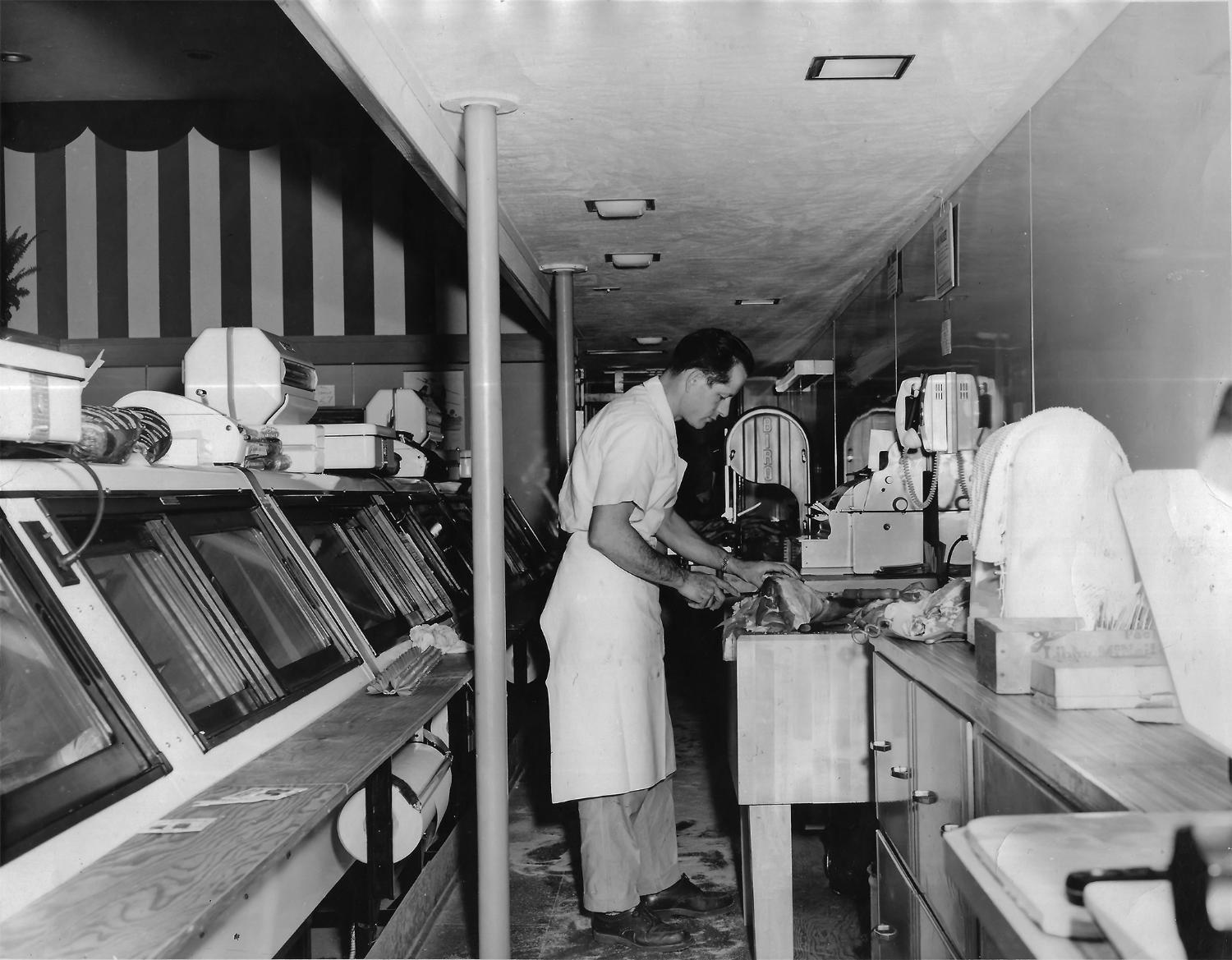
Photograph
At the block
Family collection
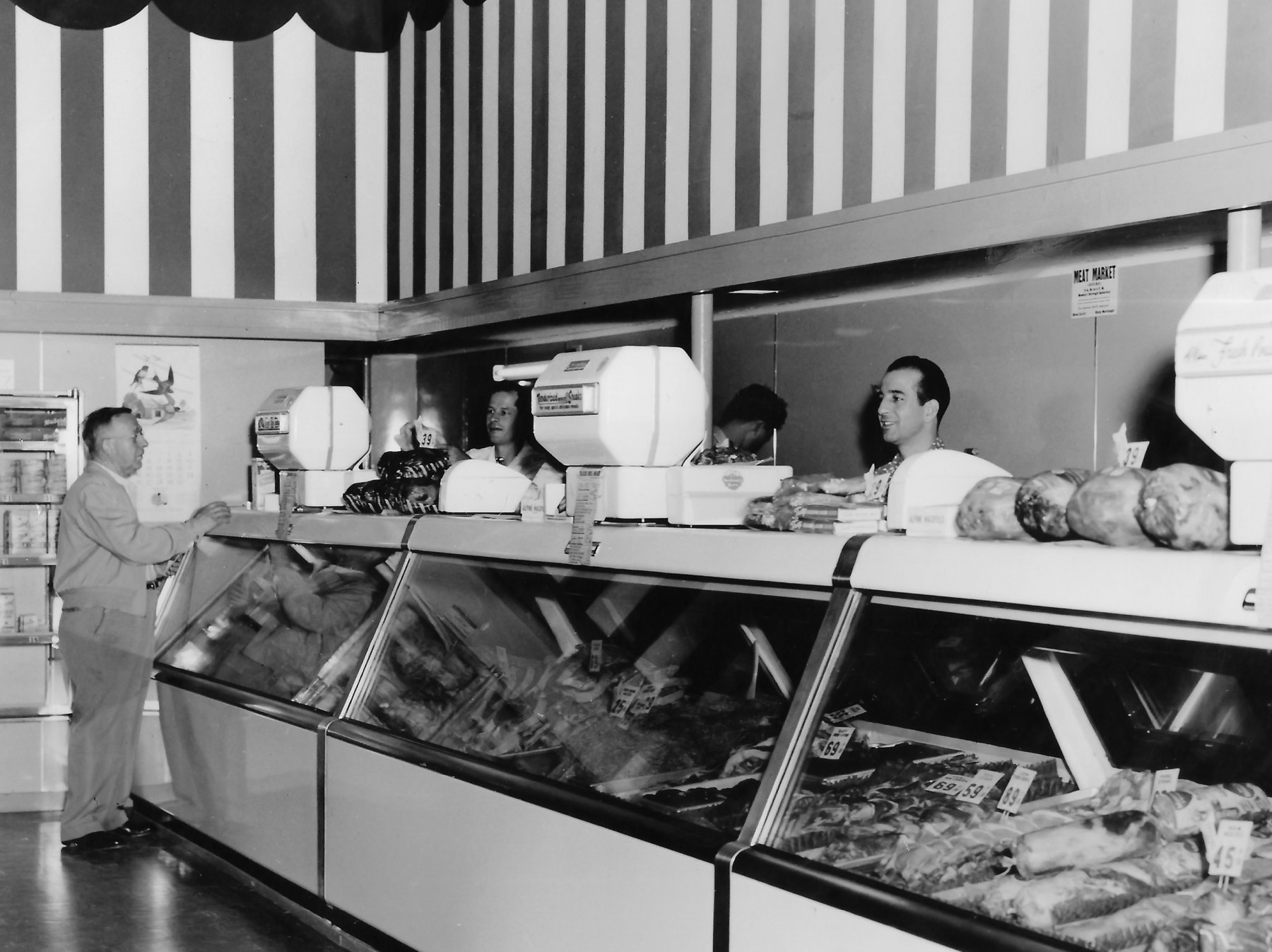
Photograph
Behind the counter
Family collection
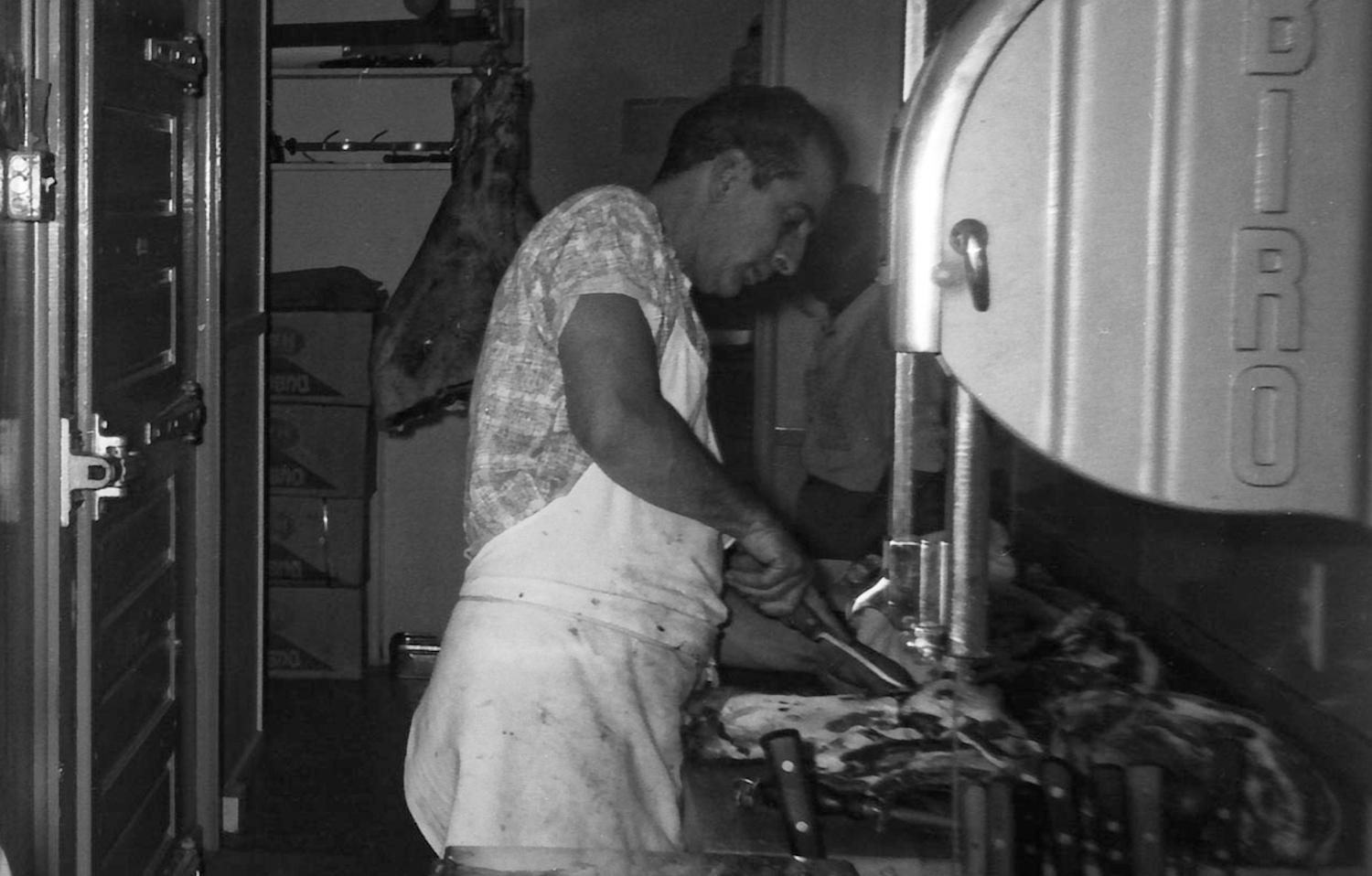
Photograph · August 1955
Billy at the Biro
Family collection
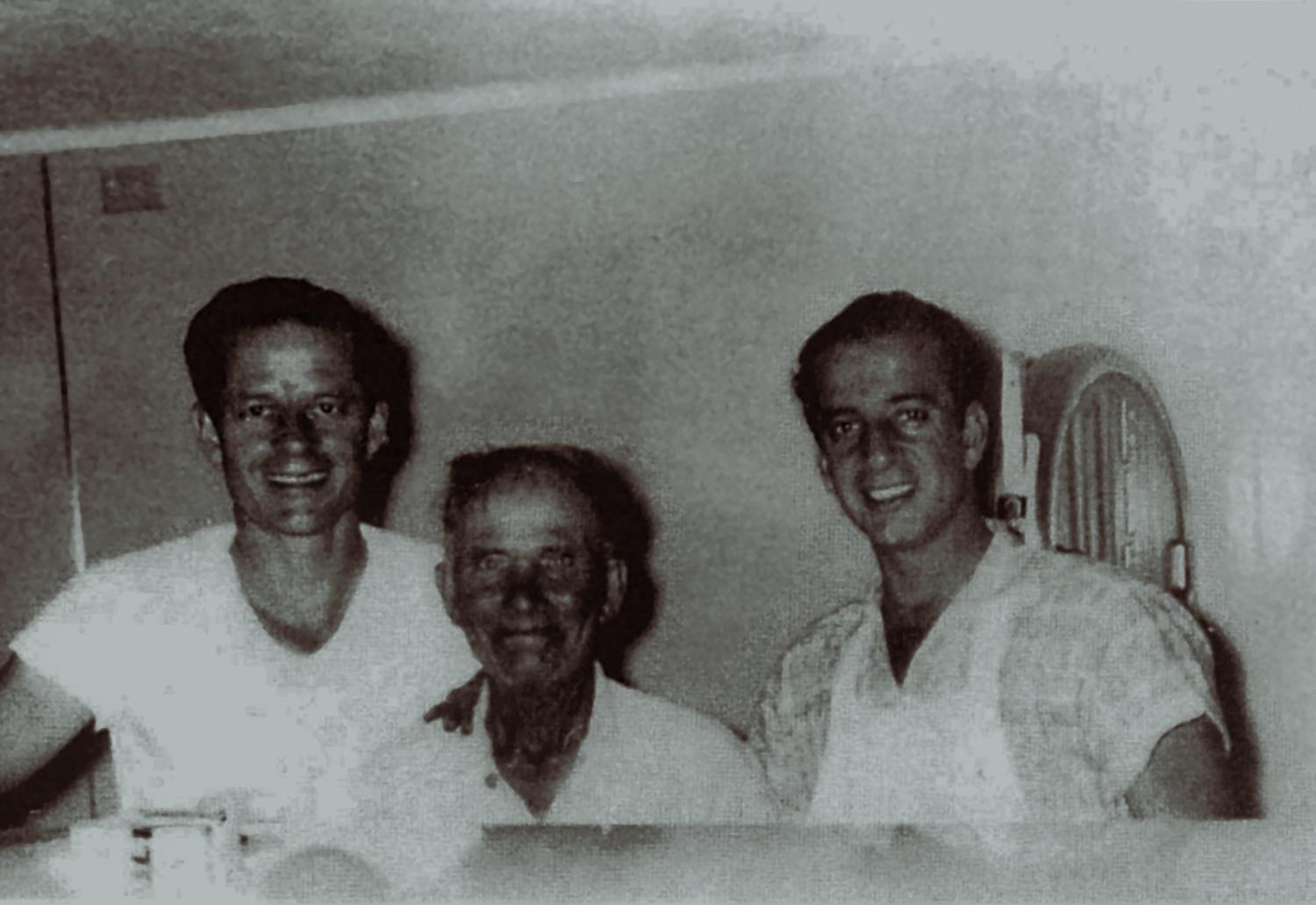
Photograph
Frank, Rodia, Bill
Family collection
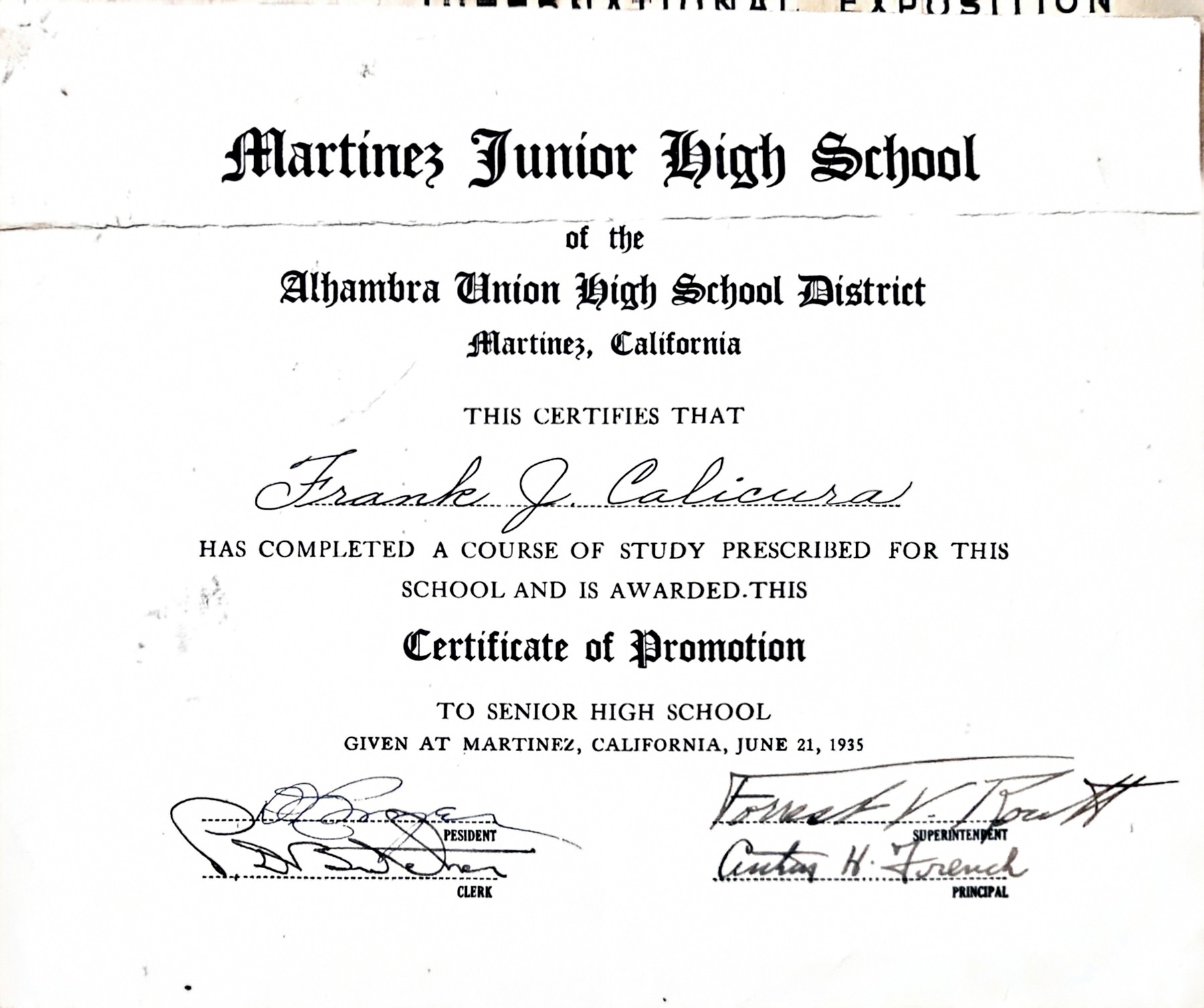
Object · 21 June 1935
Certificate of Promotion
Family collection
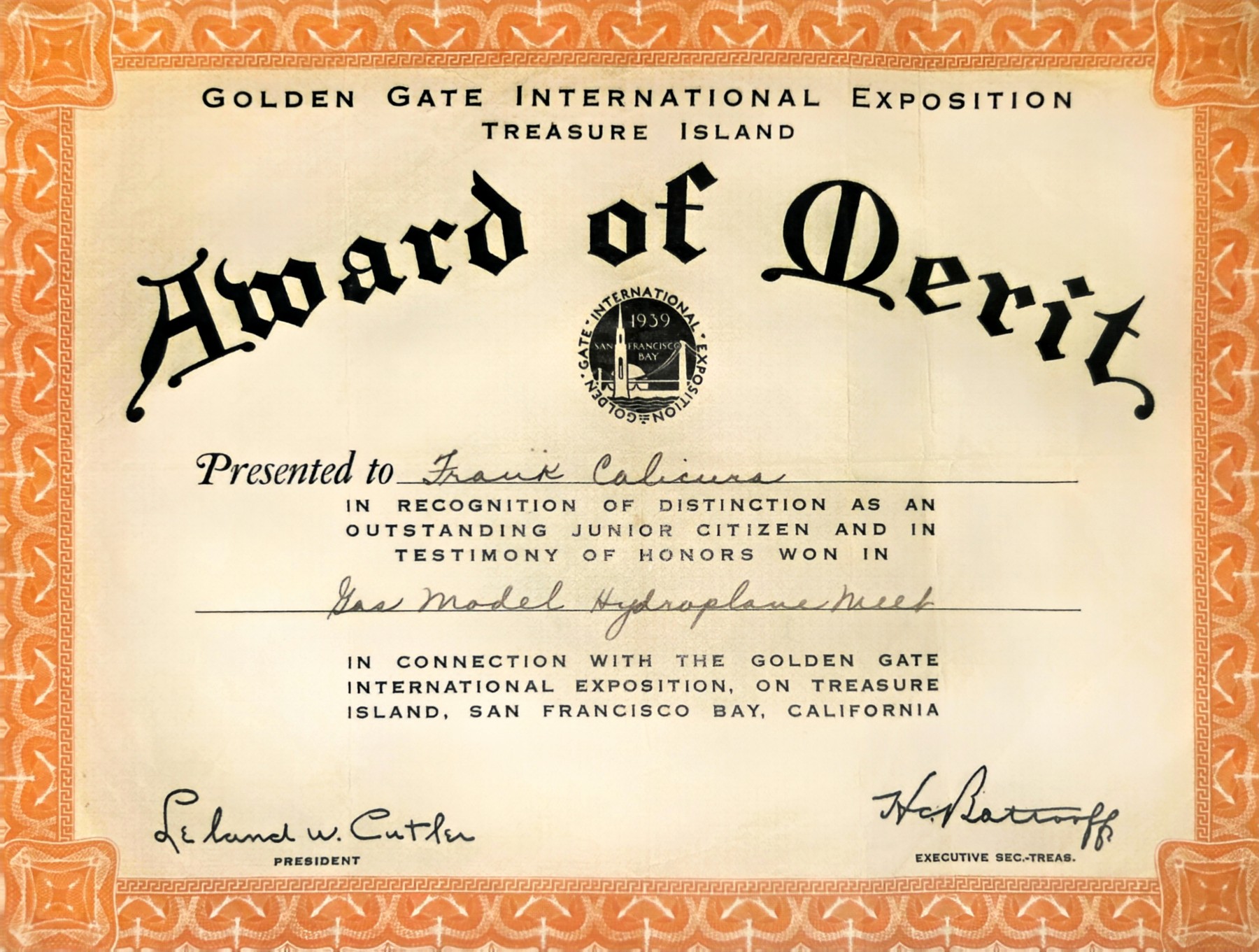
Object · 1939
Award of Merit
Family collection
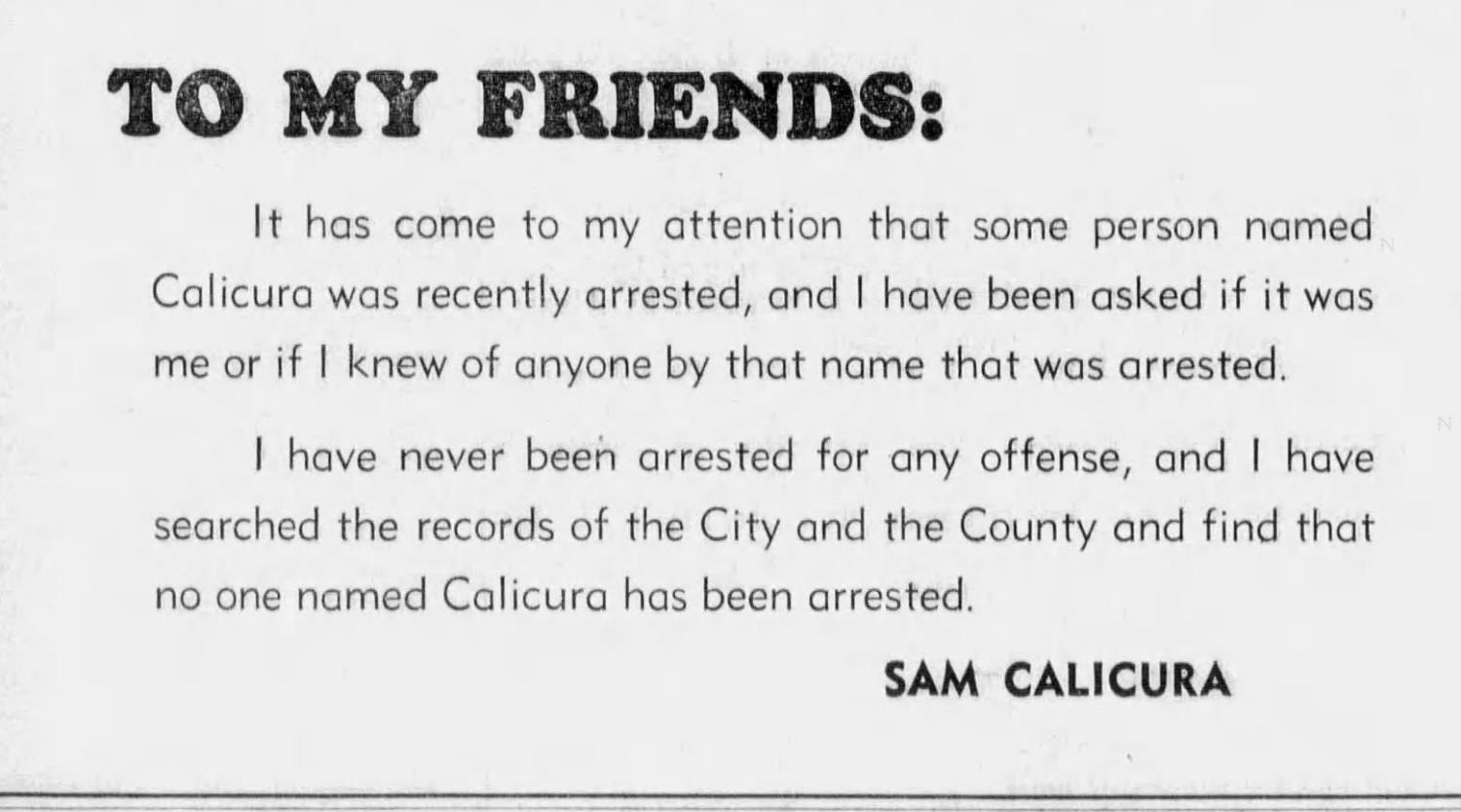
Object · 29 May 1940
To My Friends
Newspapers.com
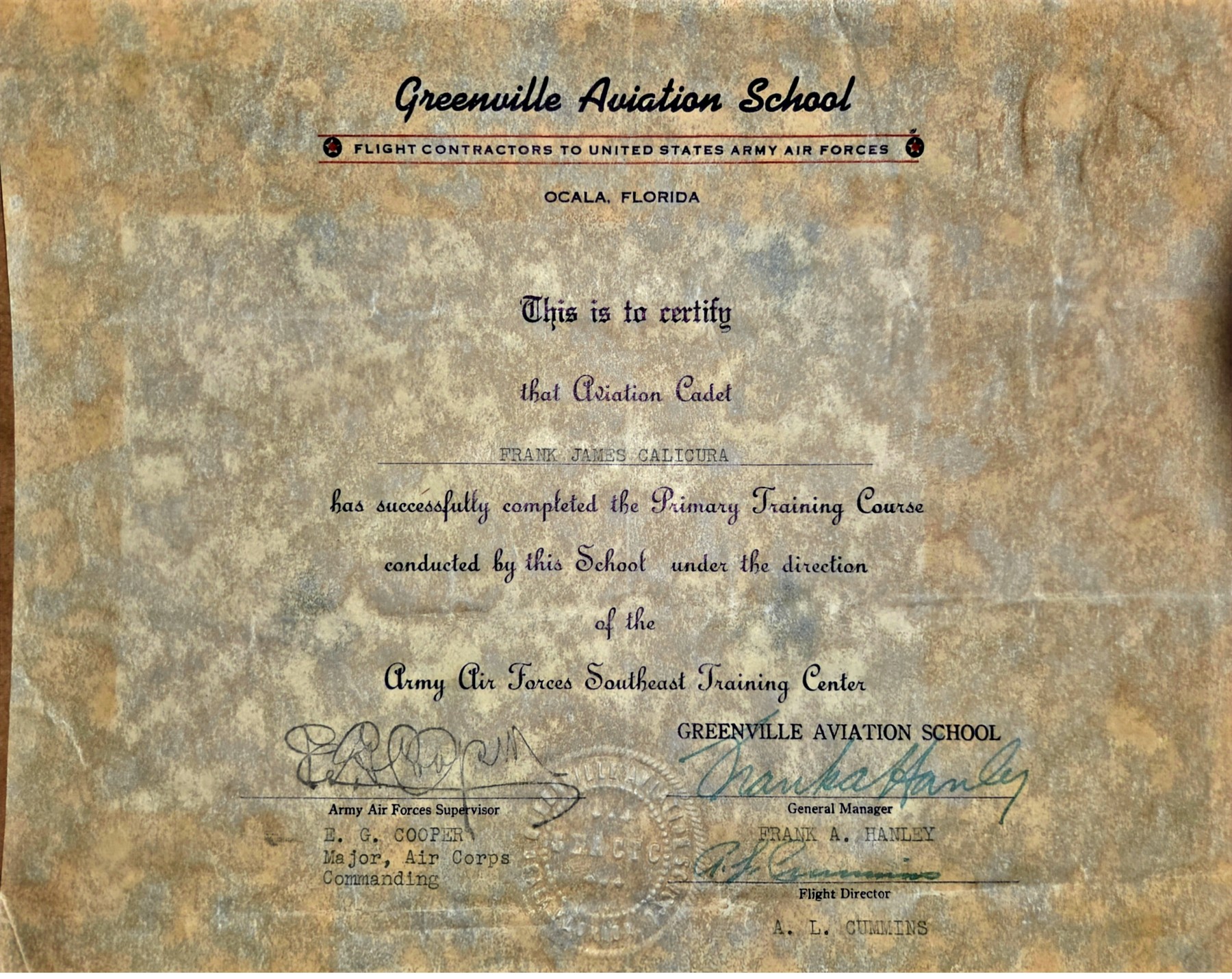
Object · 1943
Greenville Aviation School
Family collection
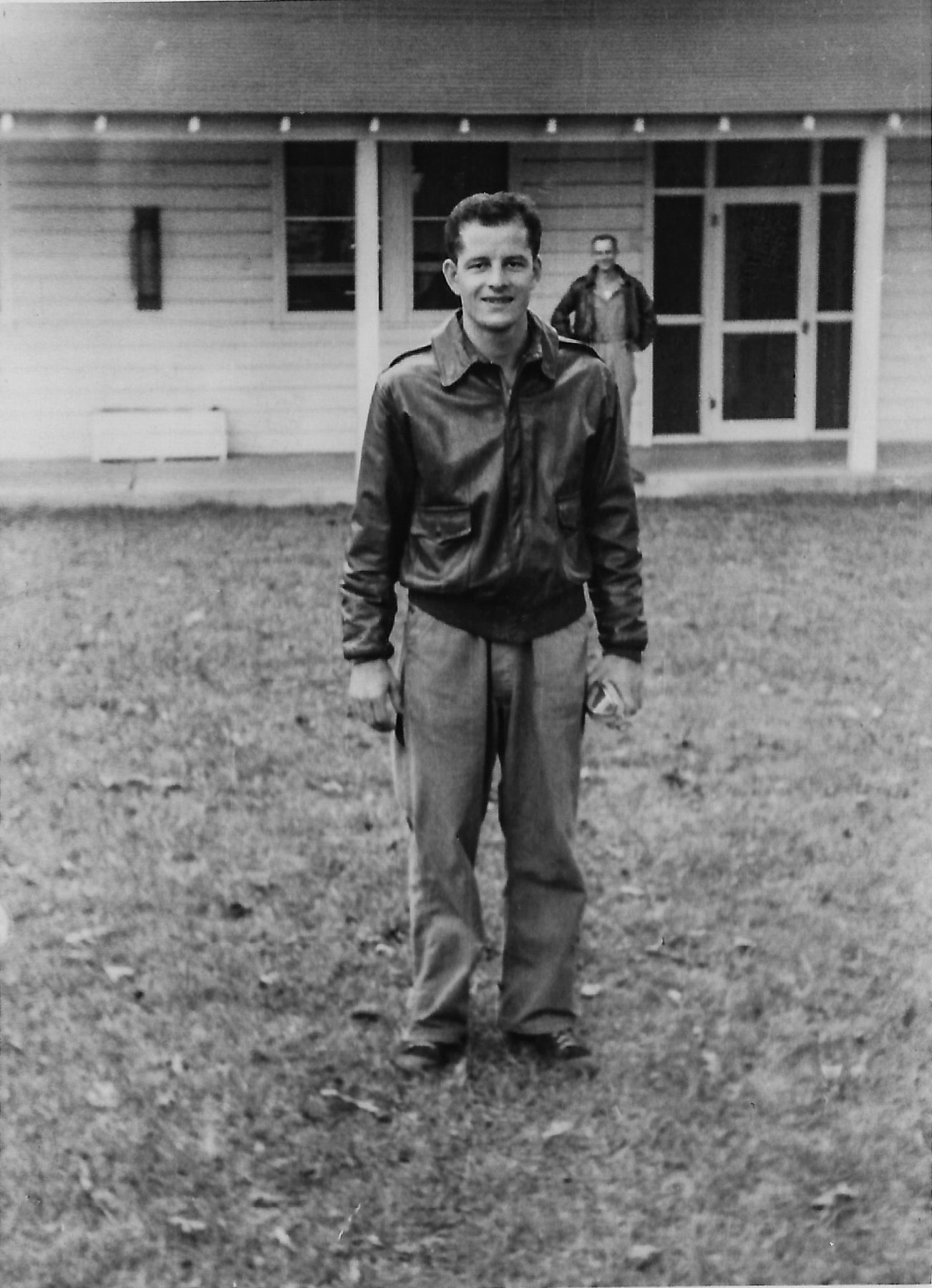
Photograph · 1943
Cadet, instructor on the porch
Family collection
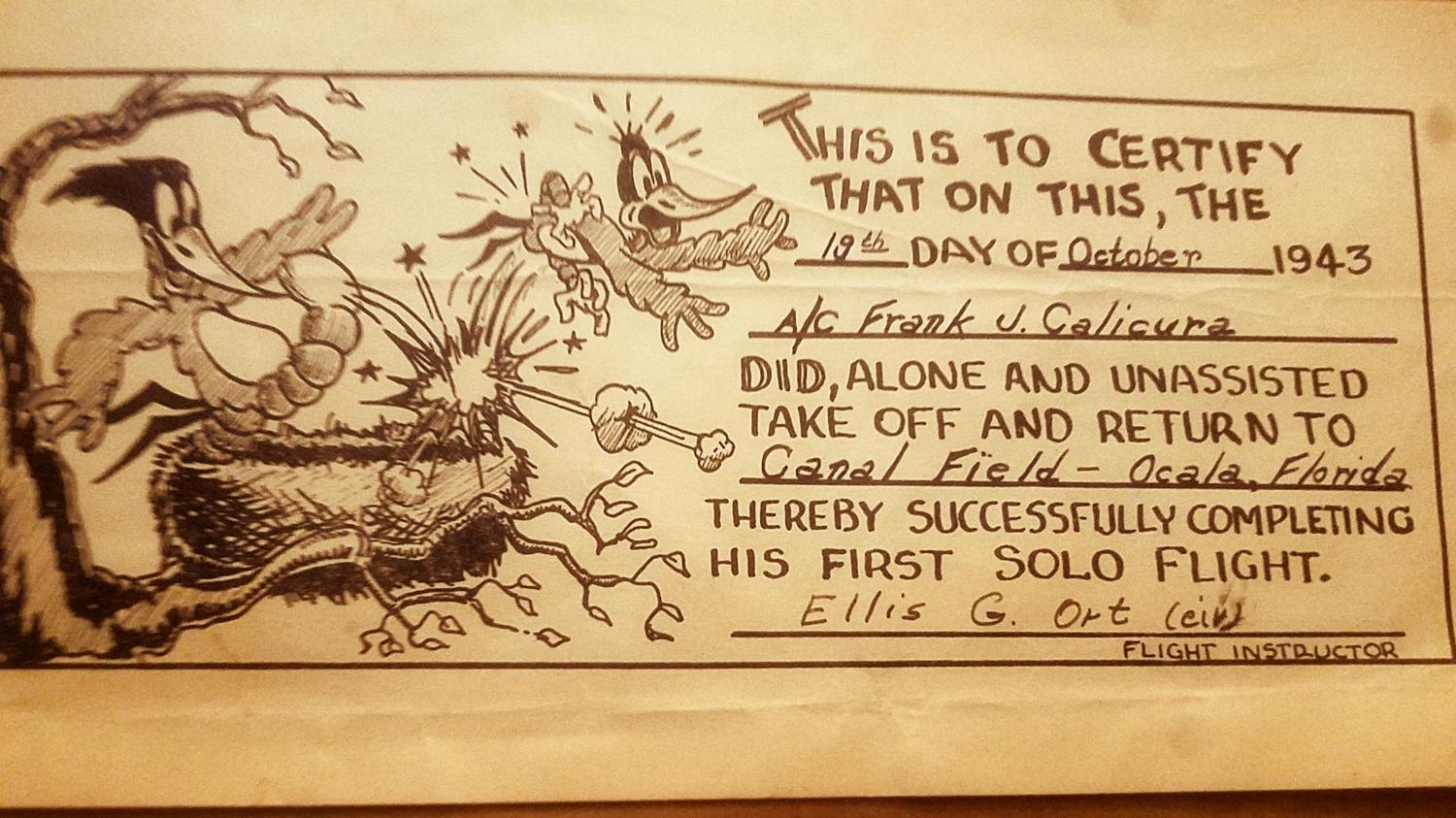
Object · 19 October 1943
The cartoon
Family collection
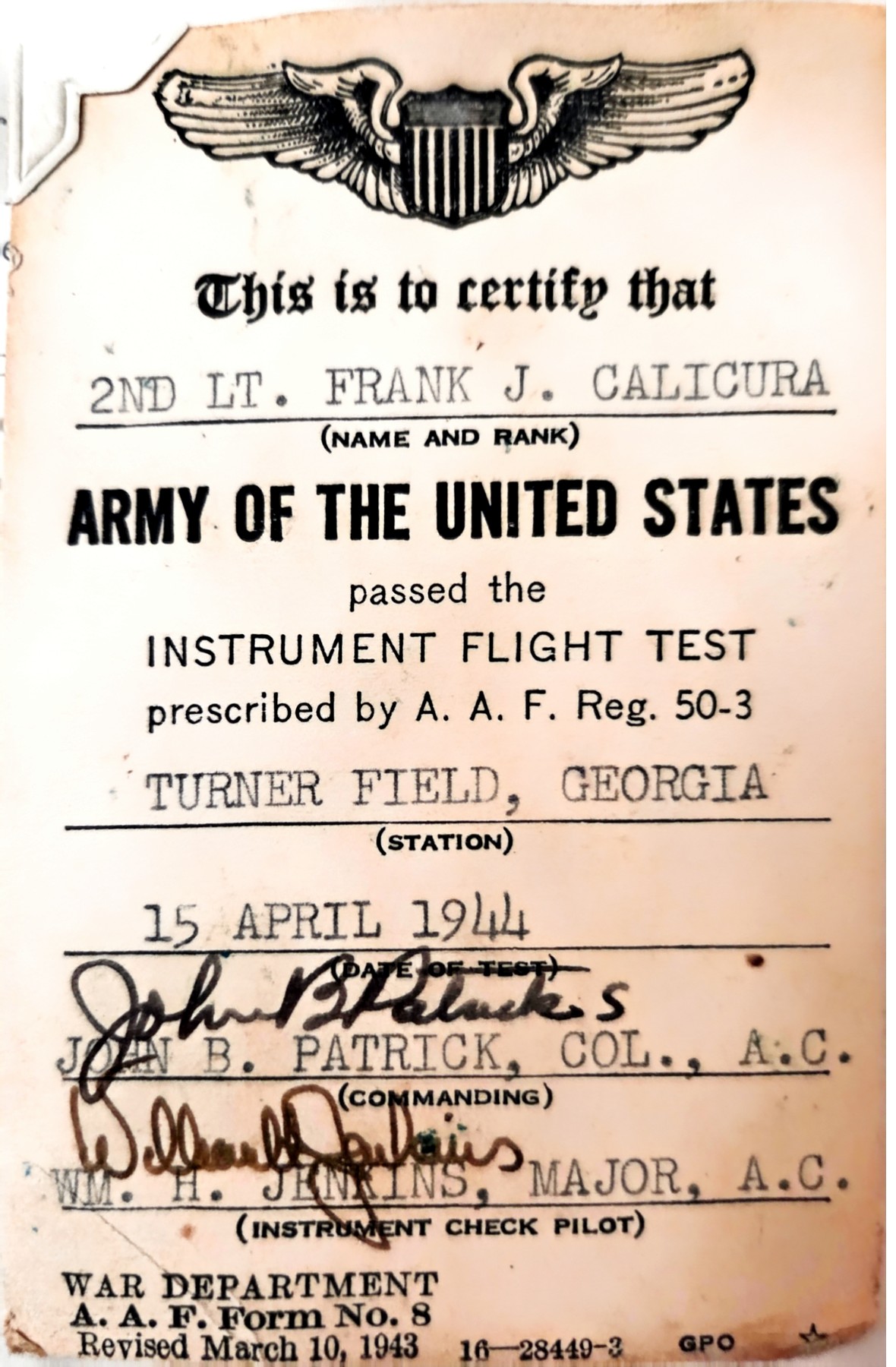
Object · 15 April 1944
Instrument flight test
Family collection
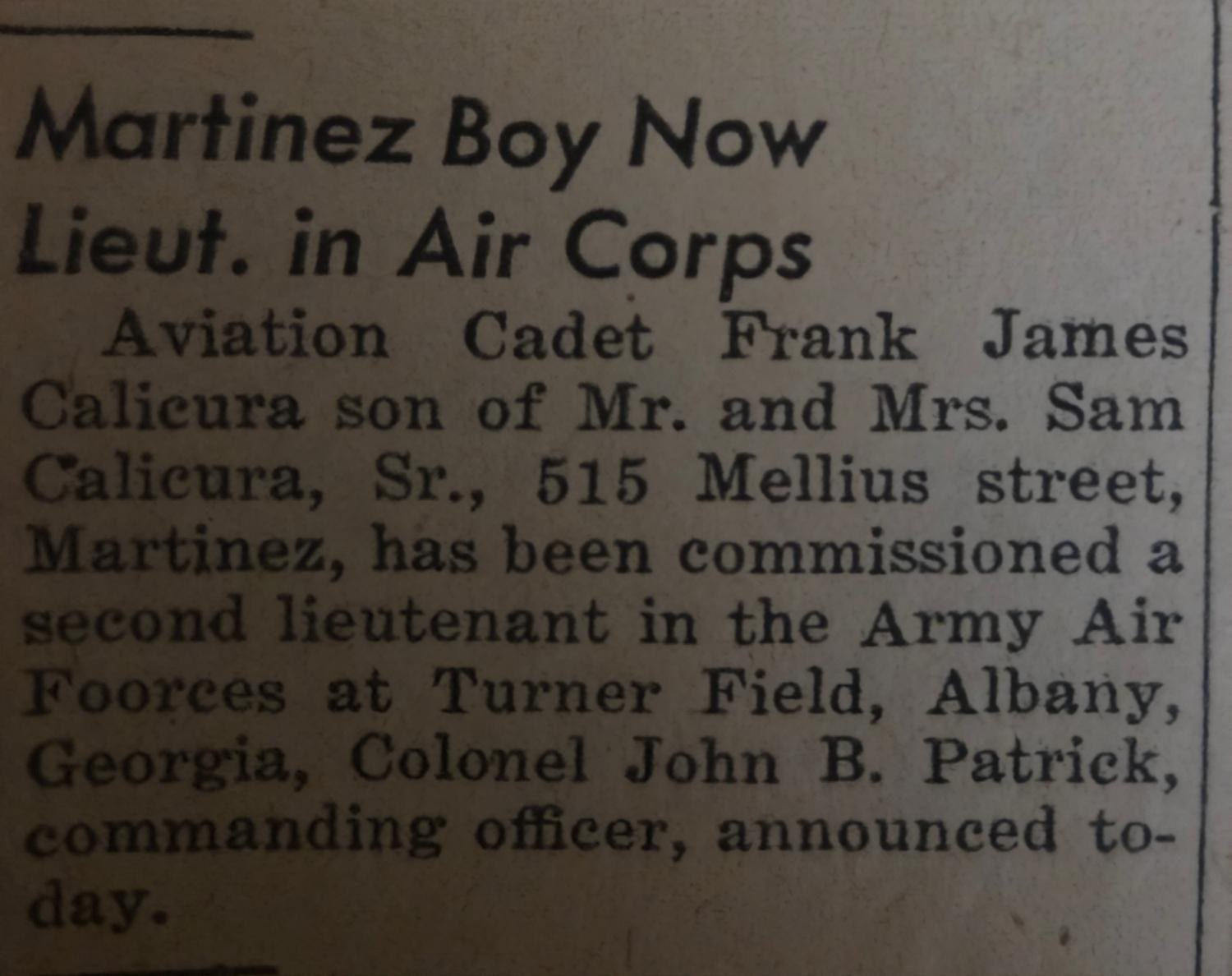
Object · April 1944
Martinez Boy Now Lieut. in Air Corps
Family collection
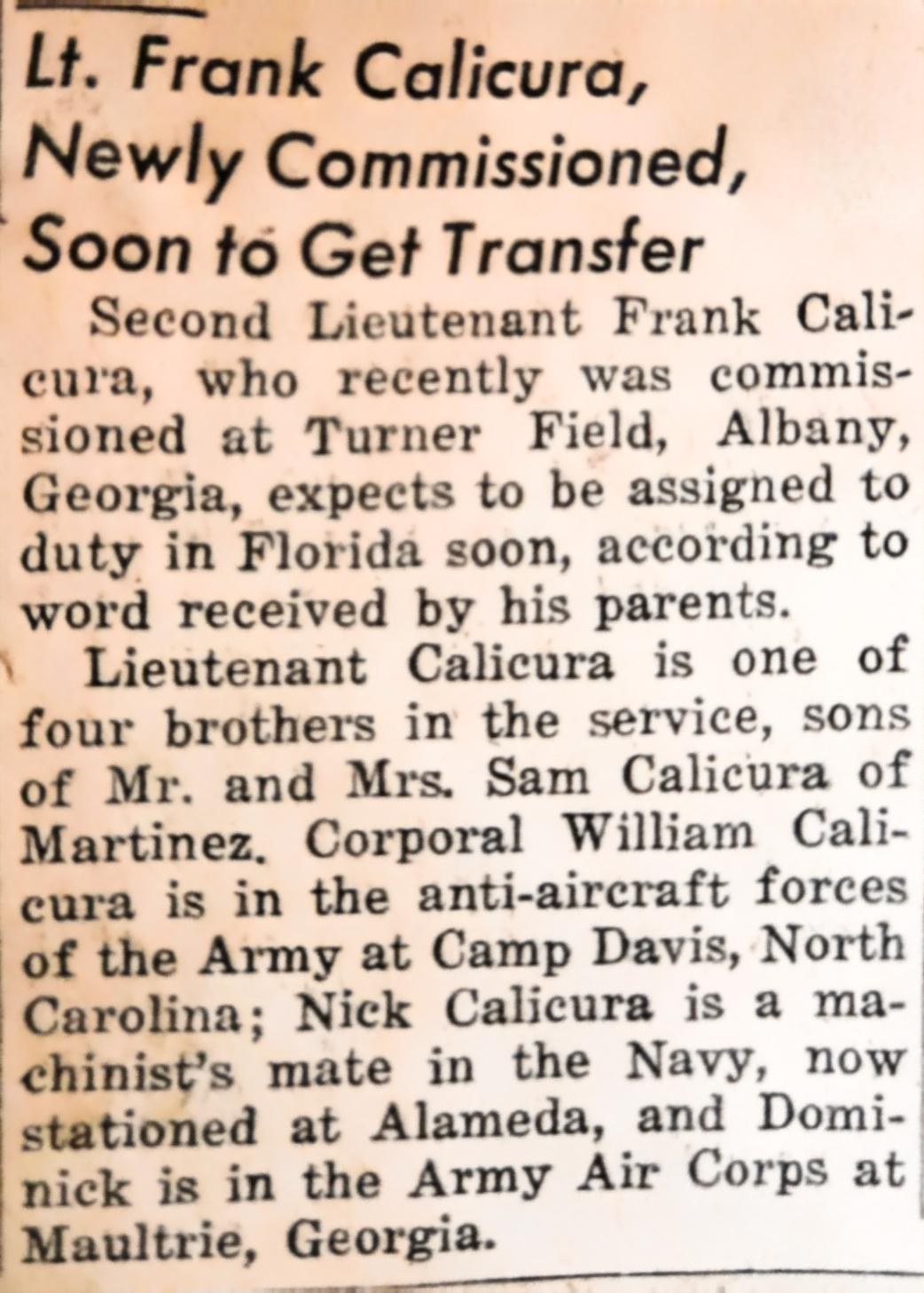
Object · April 1944
Newly Commissioned, Soon to Get Transfer
Family collection
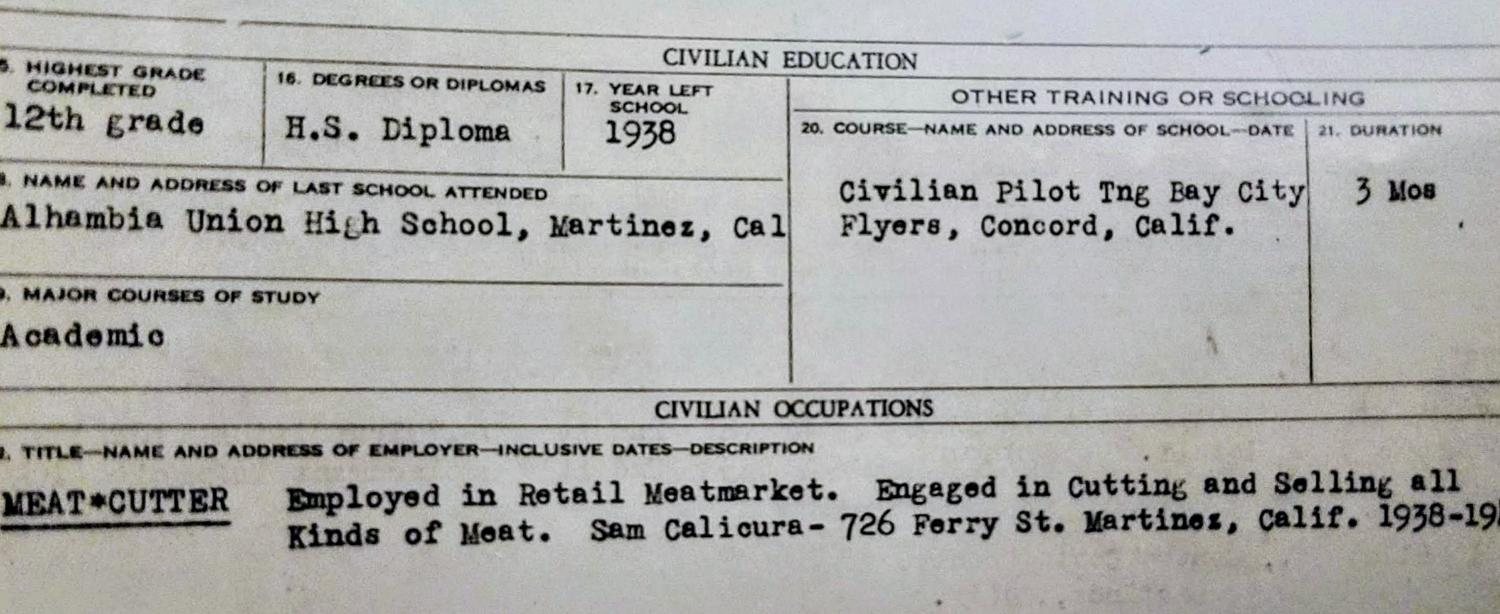
Object
Qualification record
Family collection
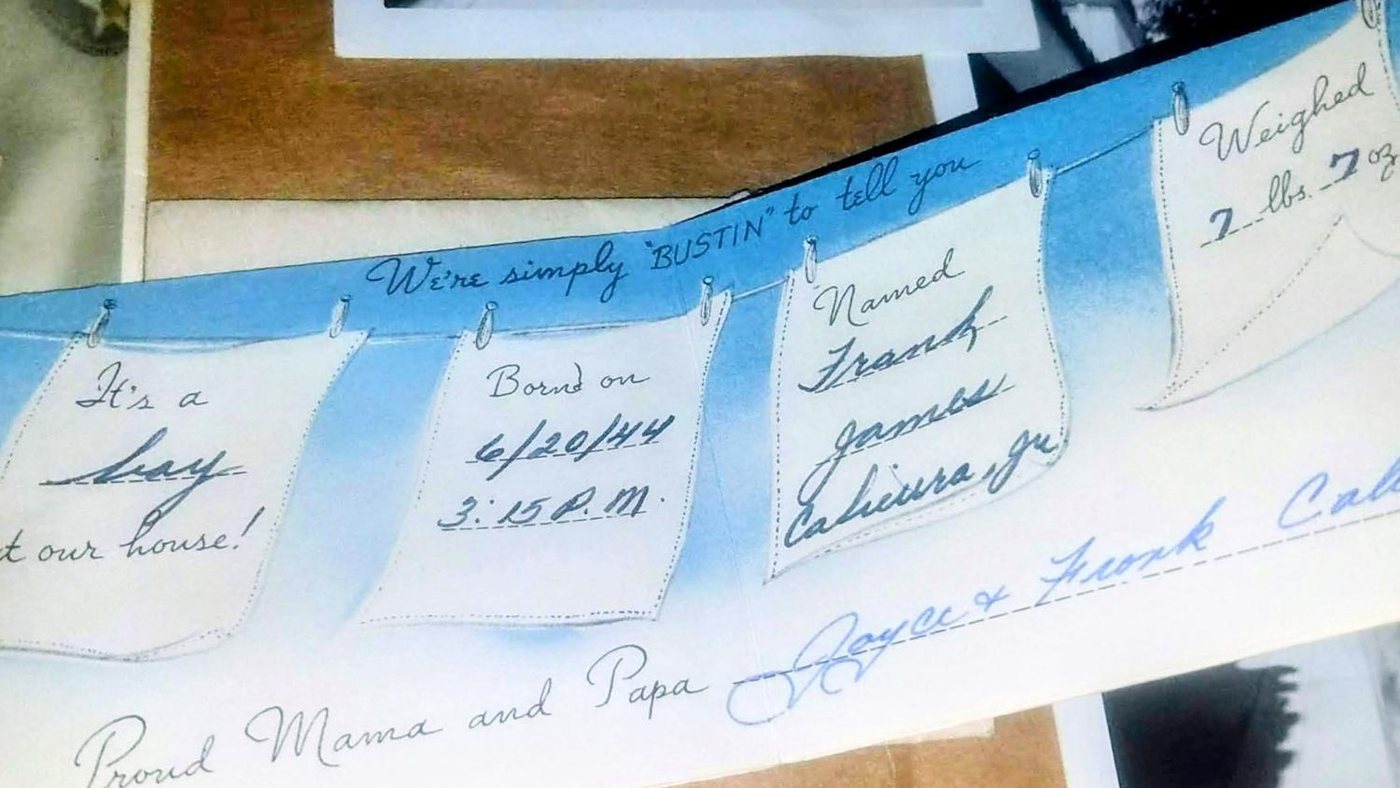
Object · 20 June 1944
Birth announcement
Family collection
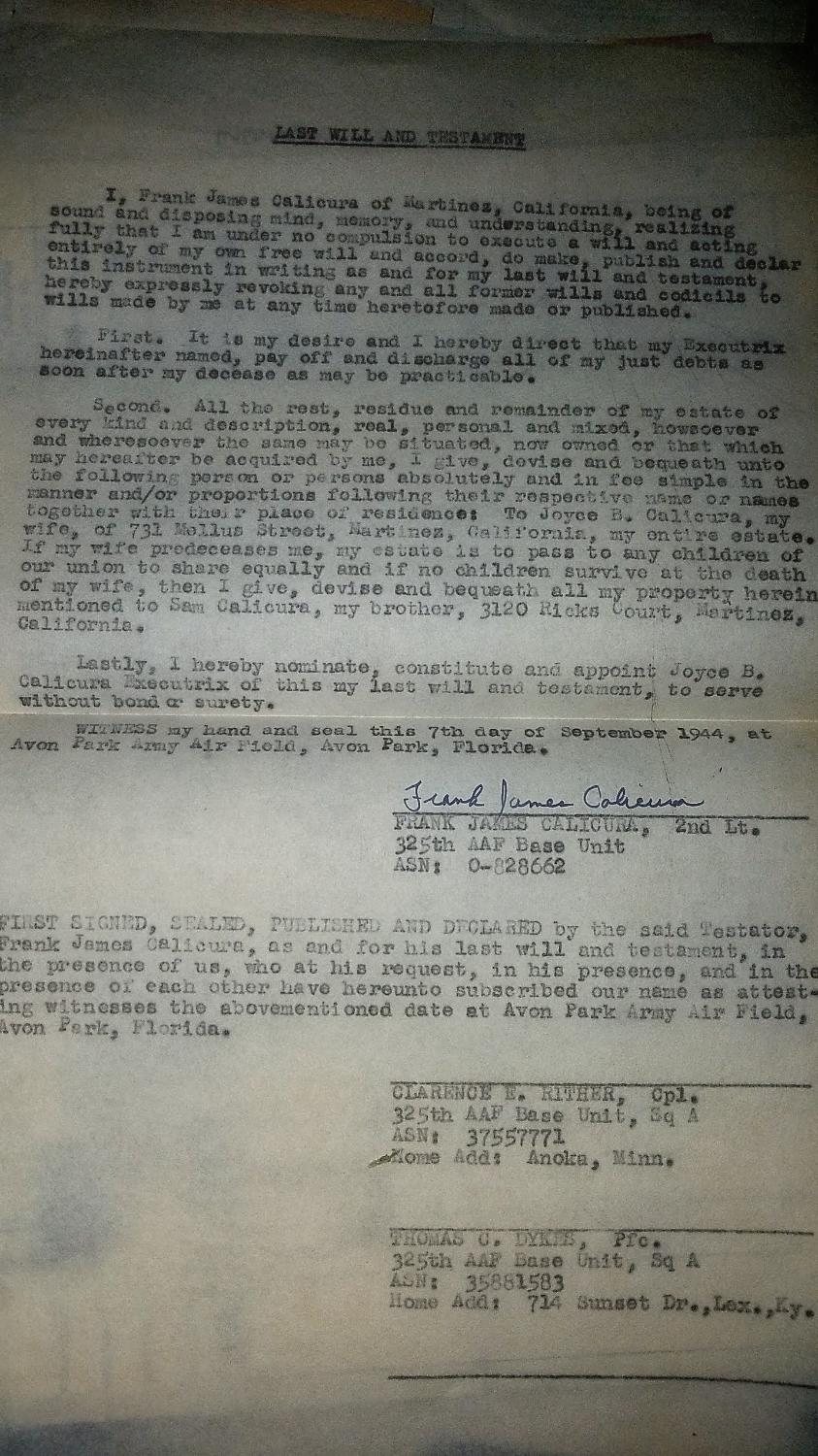
Object · 7 September 1944
Last will and testament
Family collection
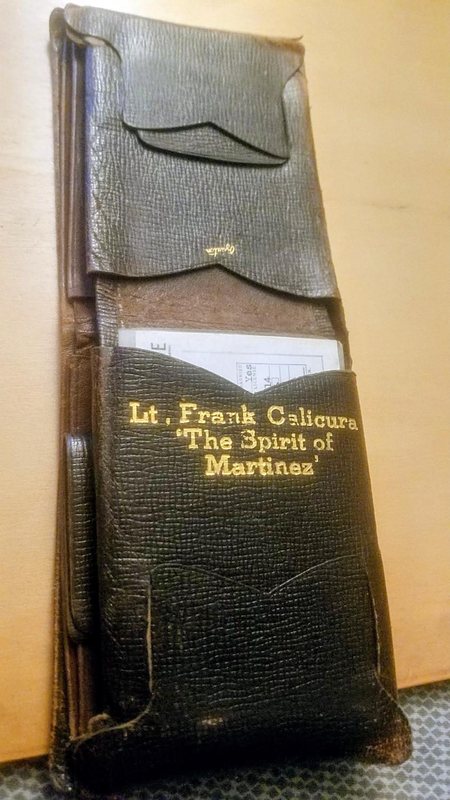
Object · 1945
The Kiwanis wallet
Family collection
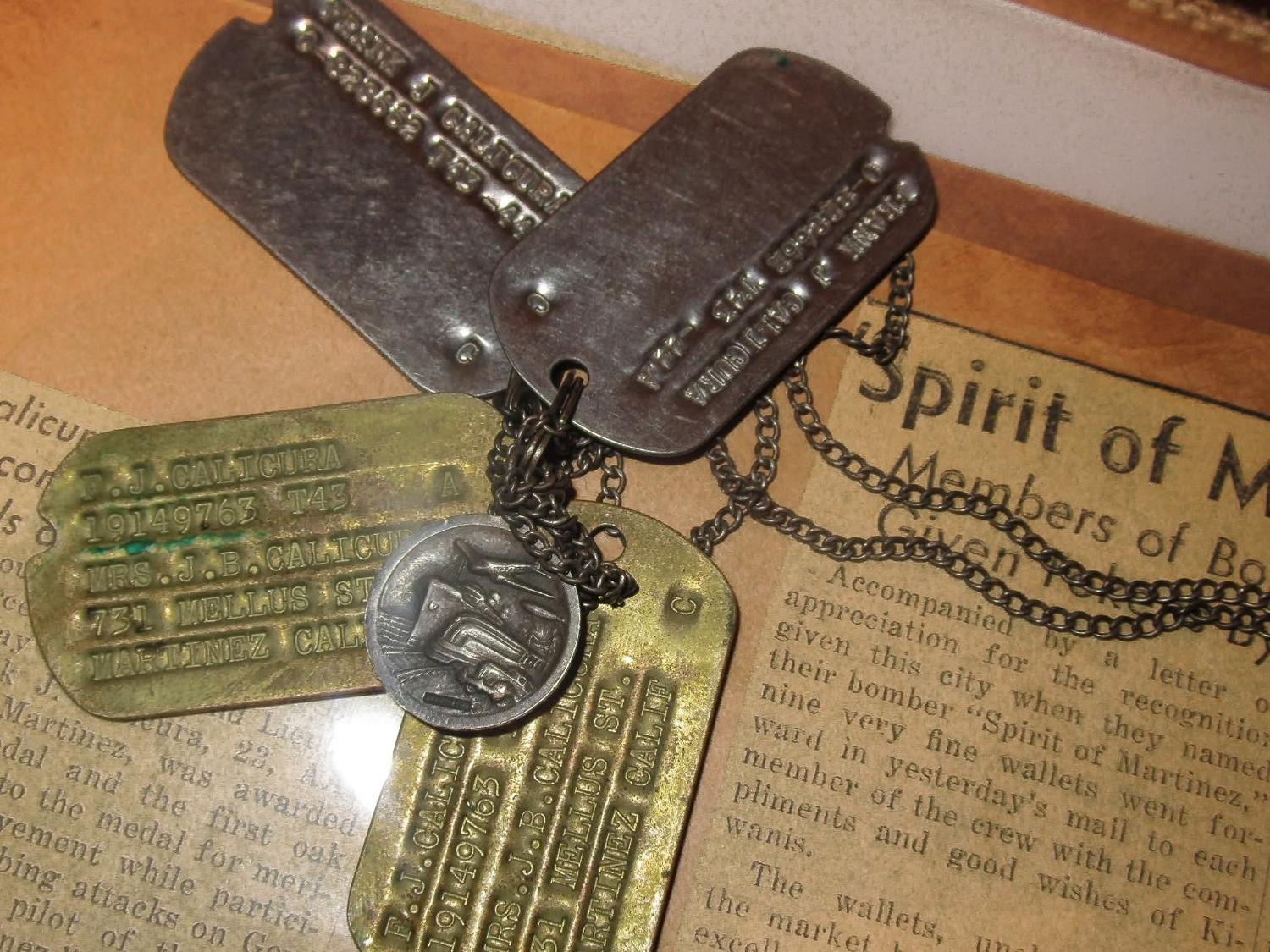
Object
The tags
Family collection
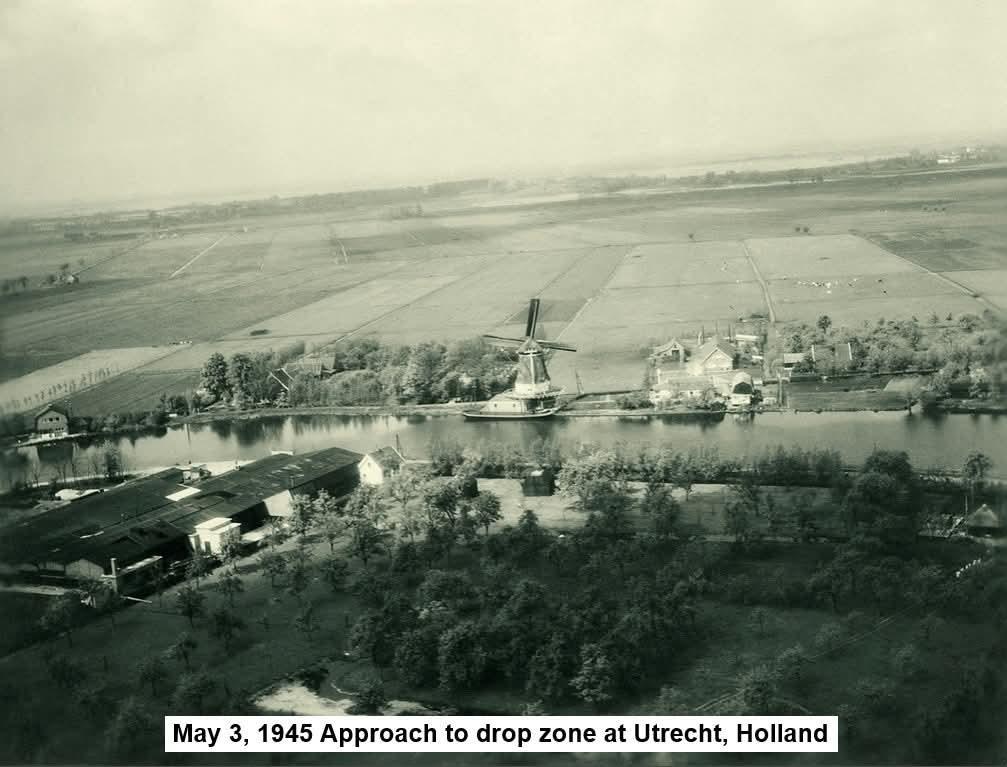
Photograph · 3 May 1945
Approach to Utrecht
Family collection
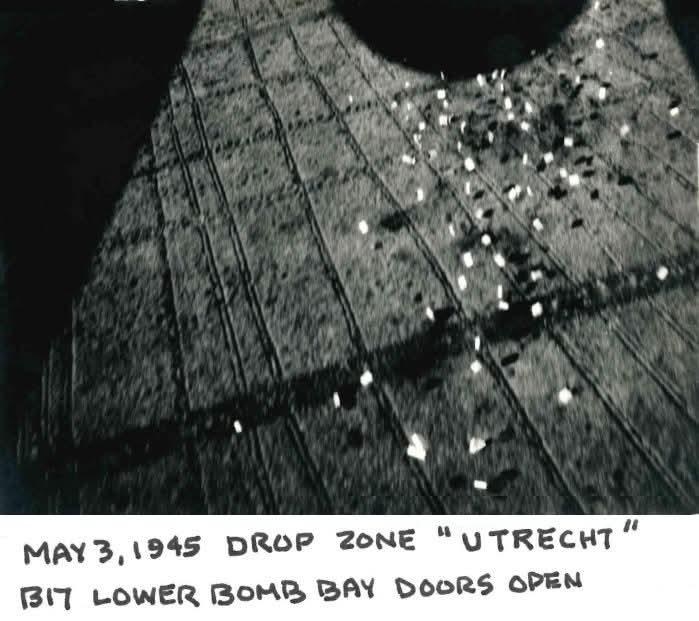
Photograph · 3 May 1945
Doors open
Family collection
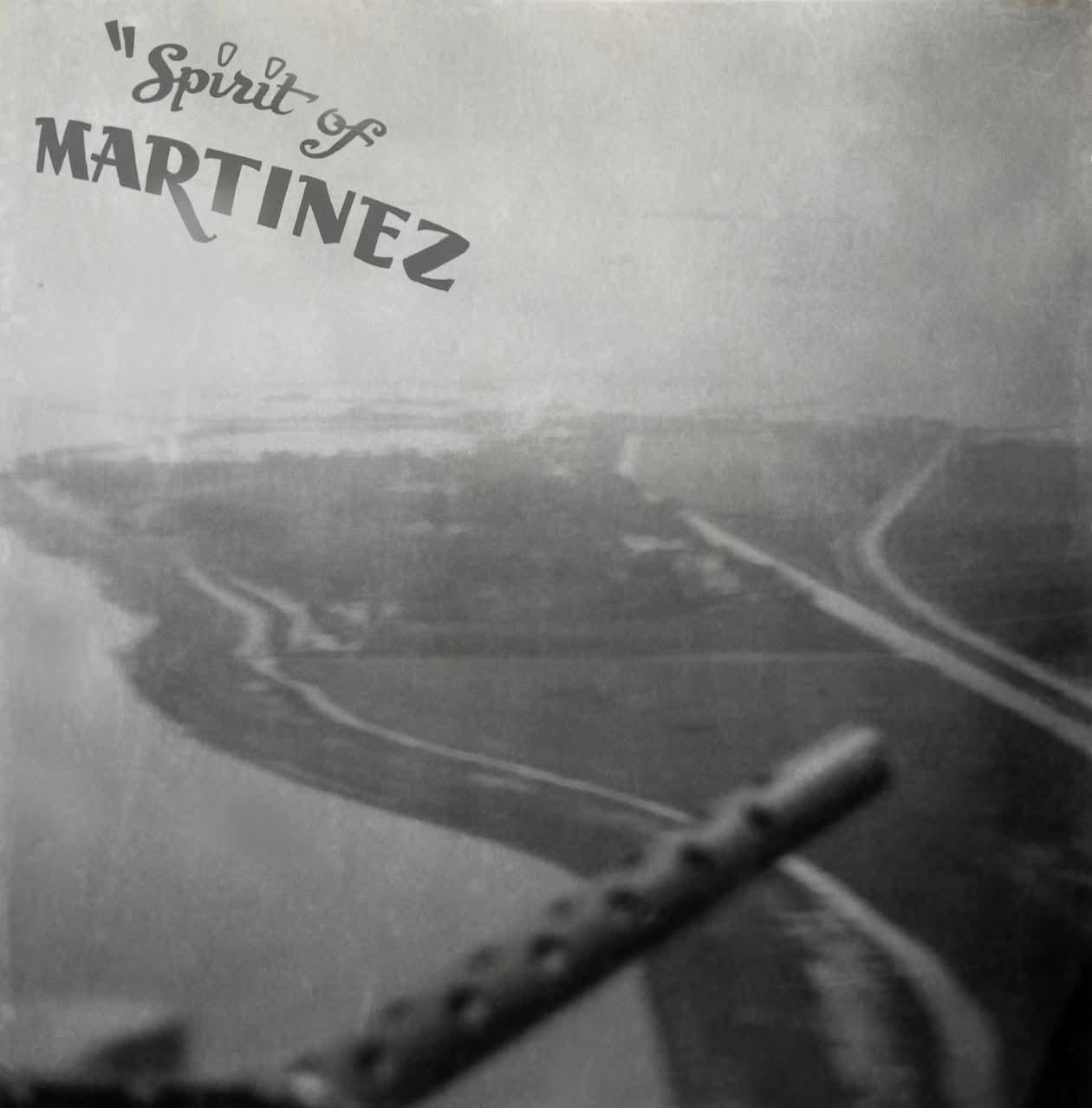
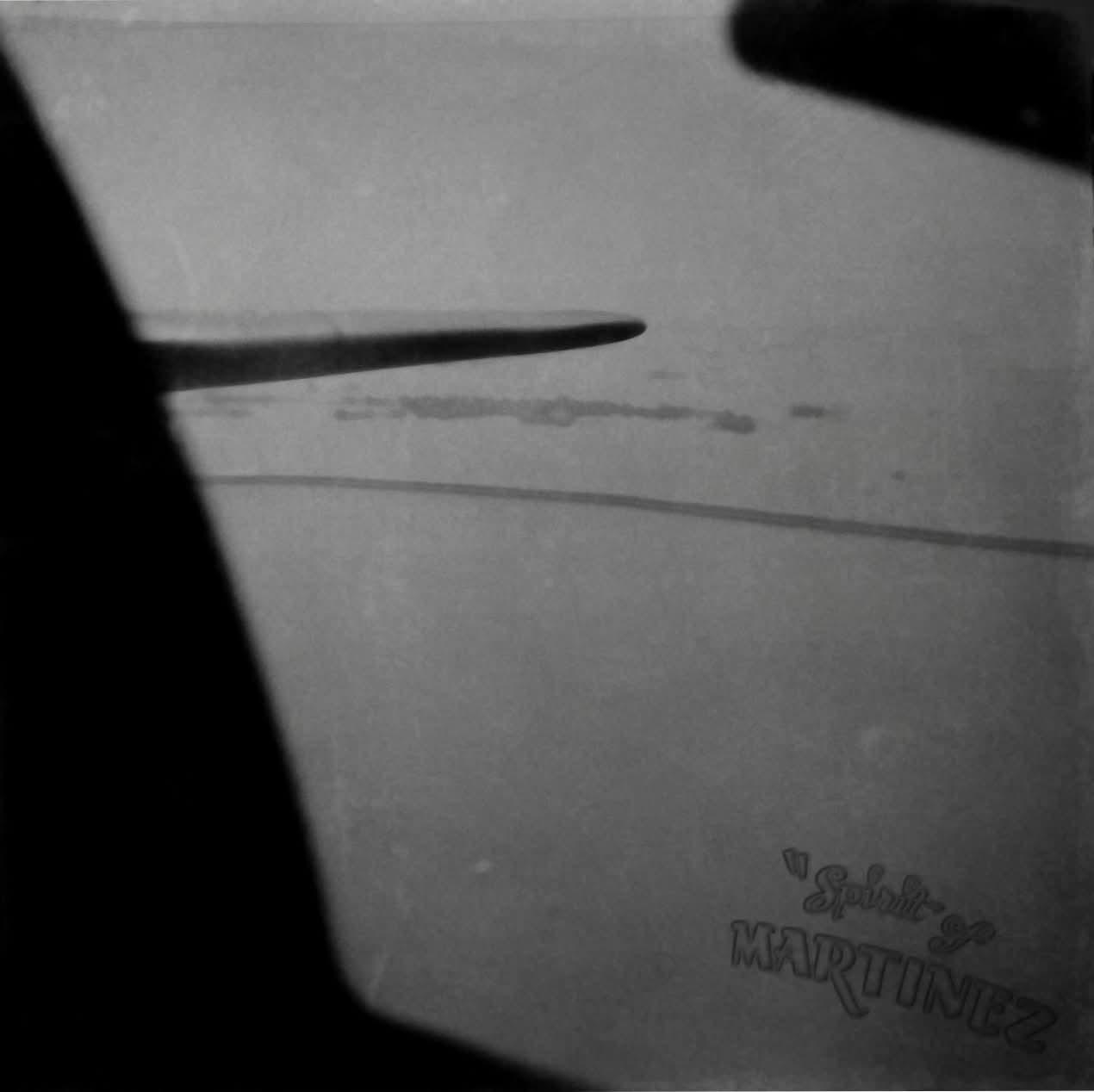
Photograph · May 1945
A gun over the water
Family collection
Photograph · May 1945
Another ship
Family collection
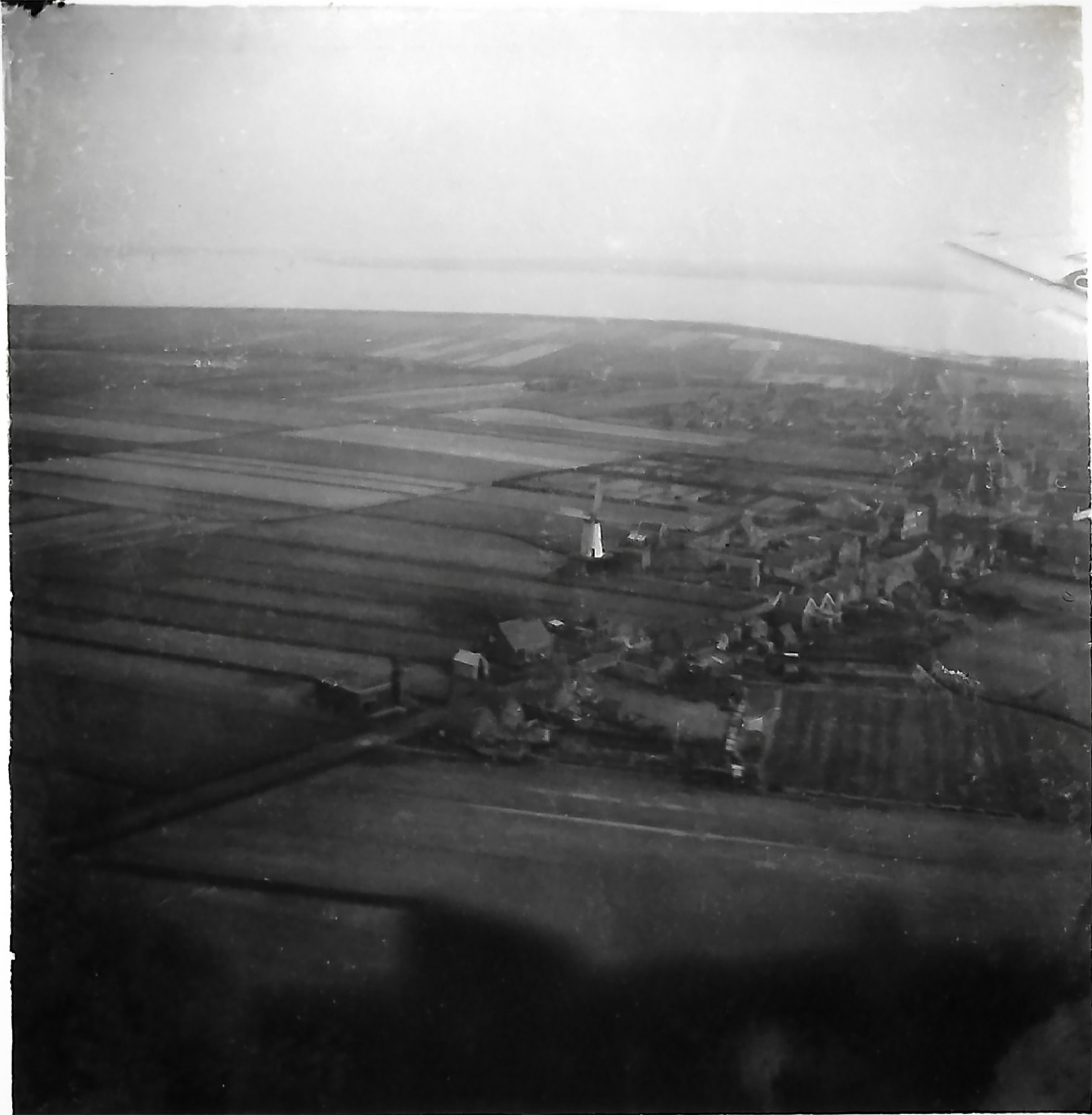
Photograph · May 1945
A mill on the drop
Family collection
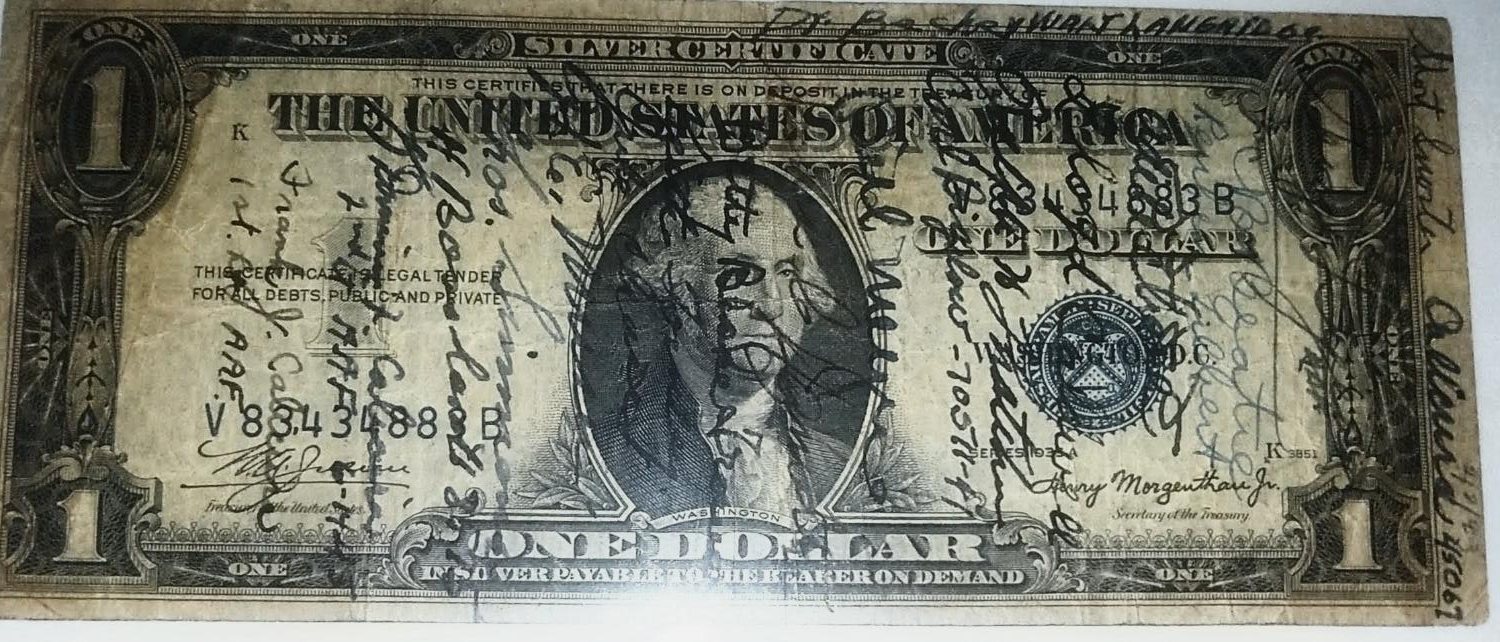
Object
The short snorter
Family collection
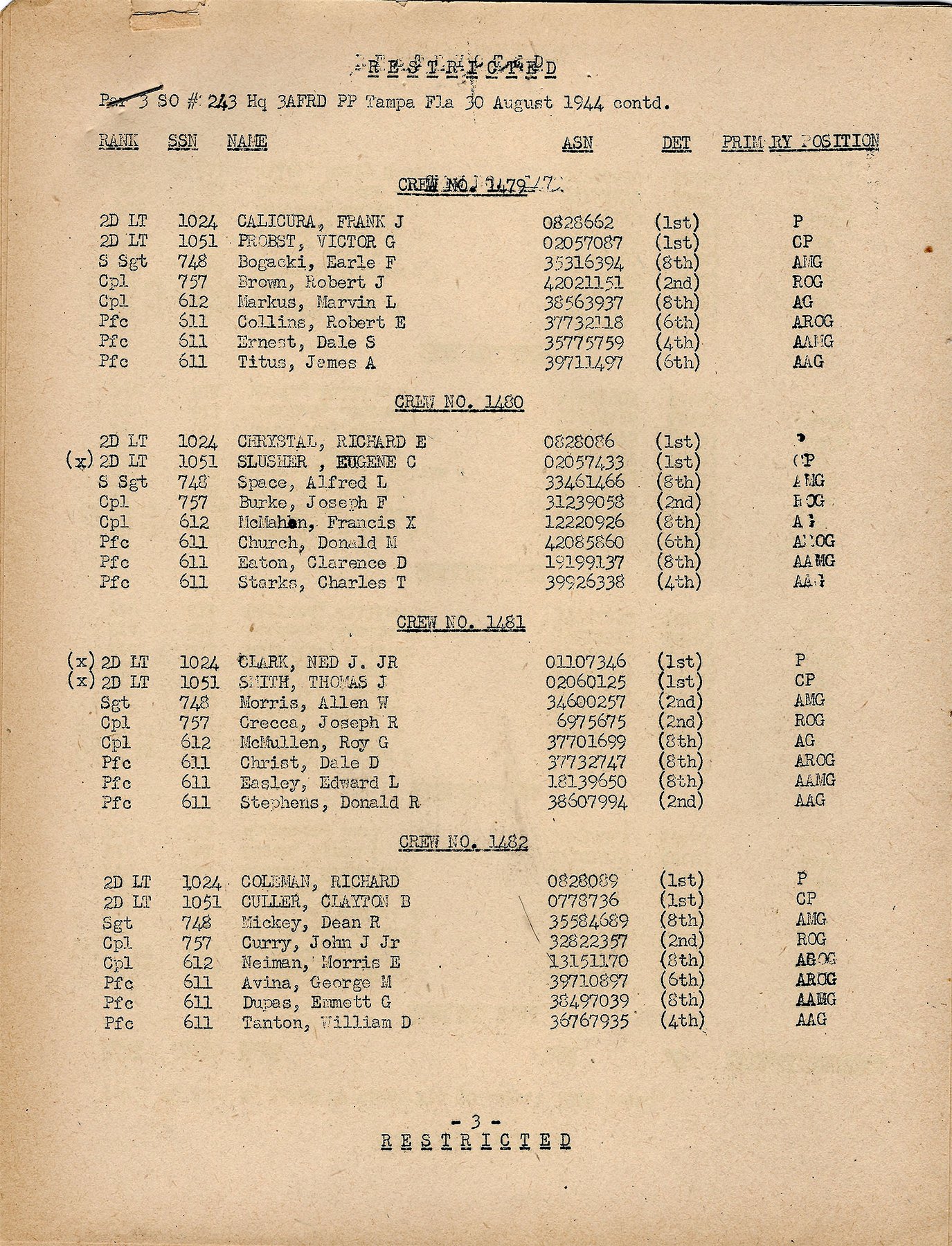
Object · 30 August 1944
Crew No. 1479
Family collection
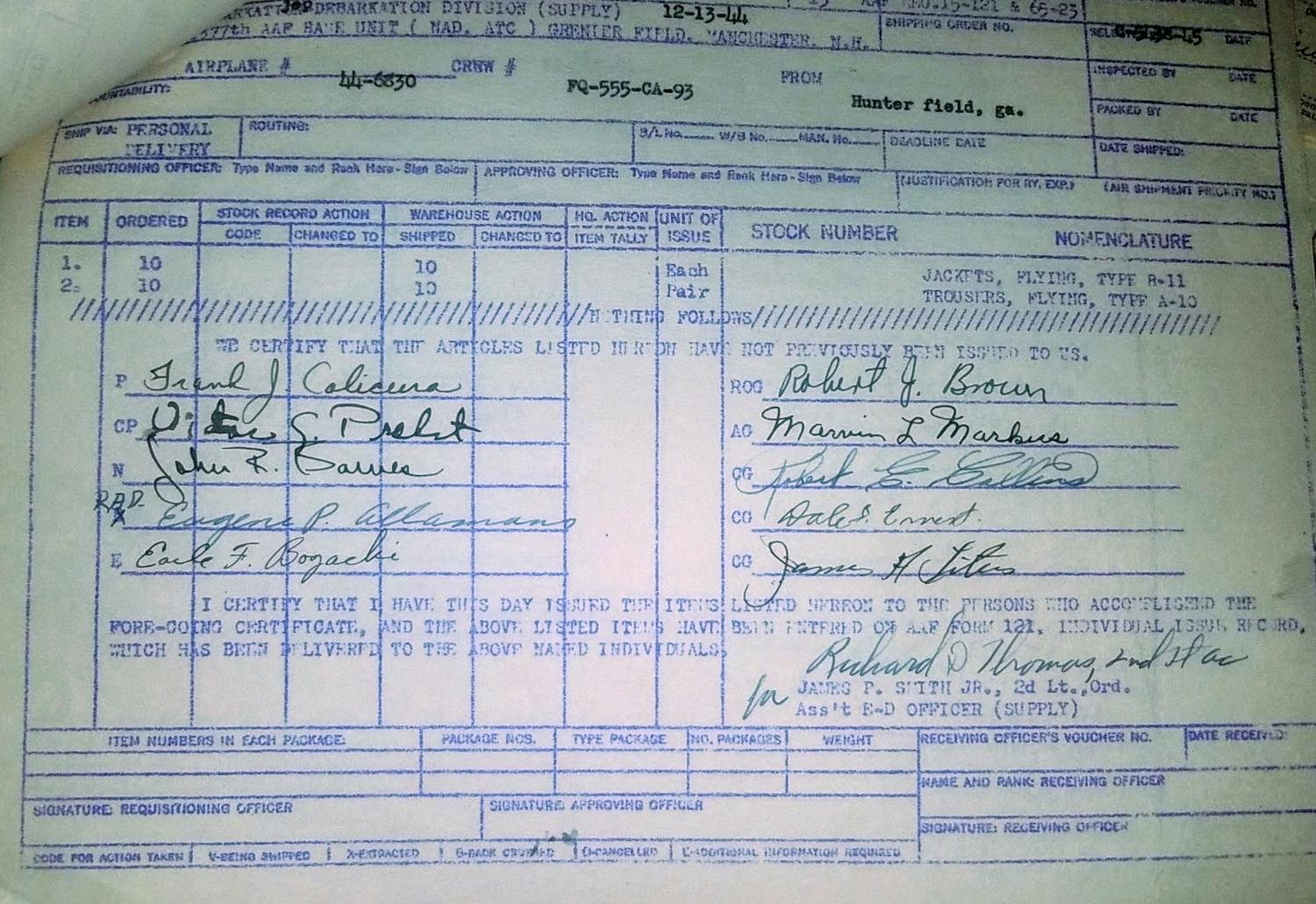
Object · 13 December 1944
Shipping ticket
Family collection
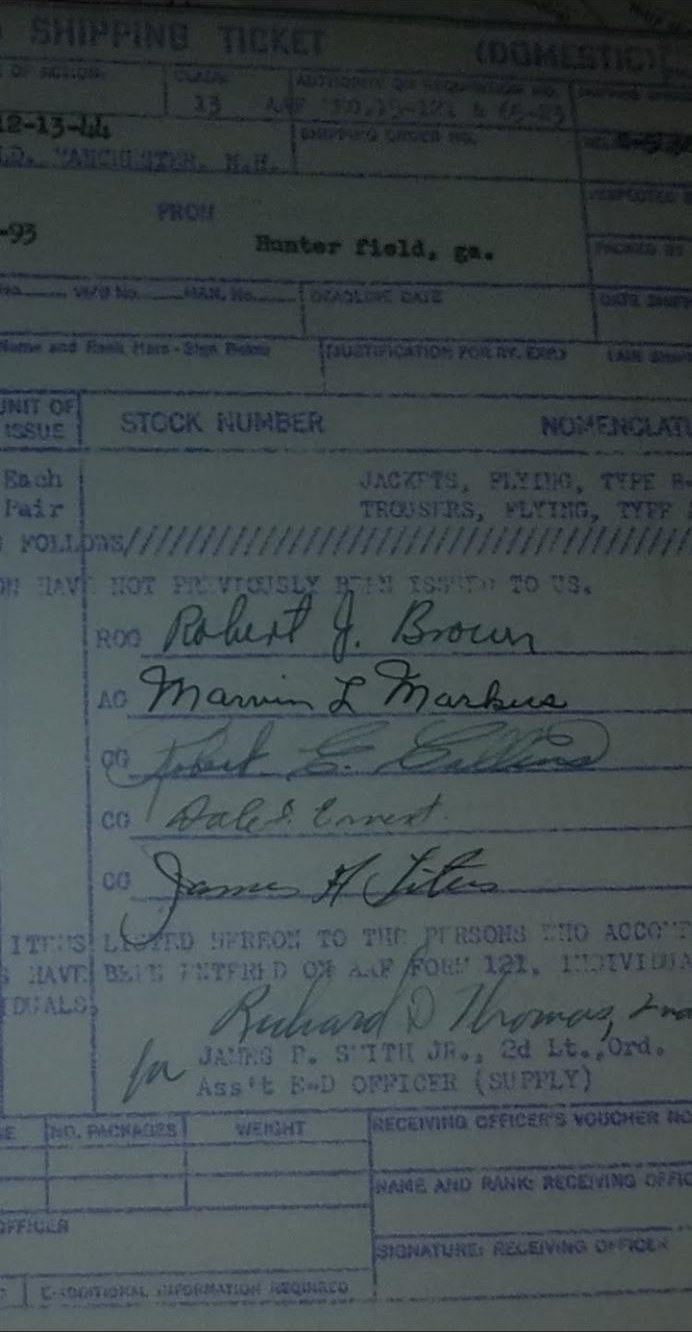
Object · 13 December 1944
The enlisted column
Family collection
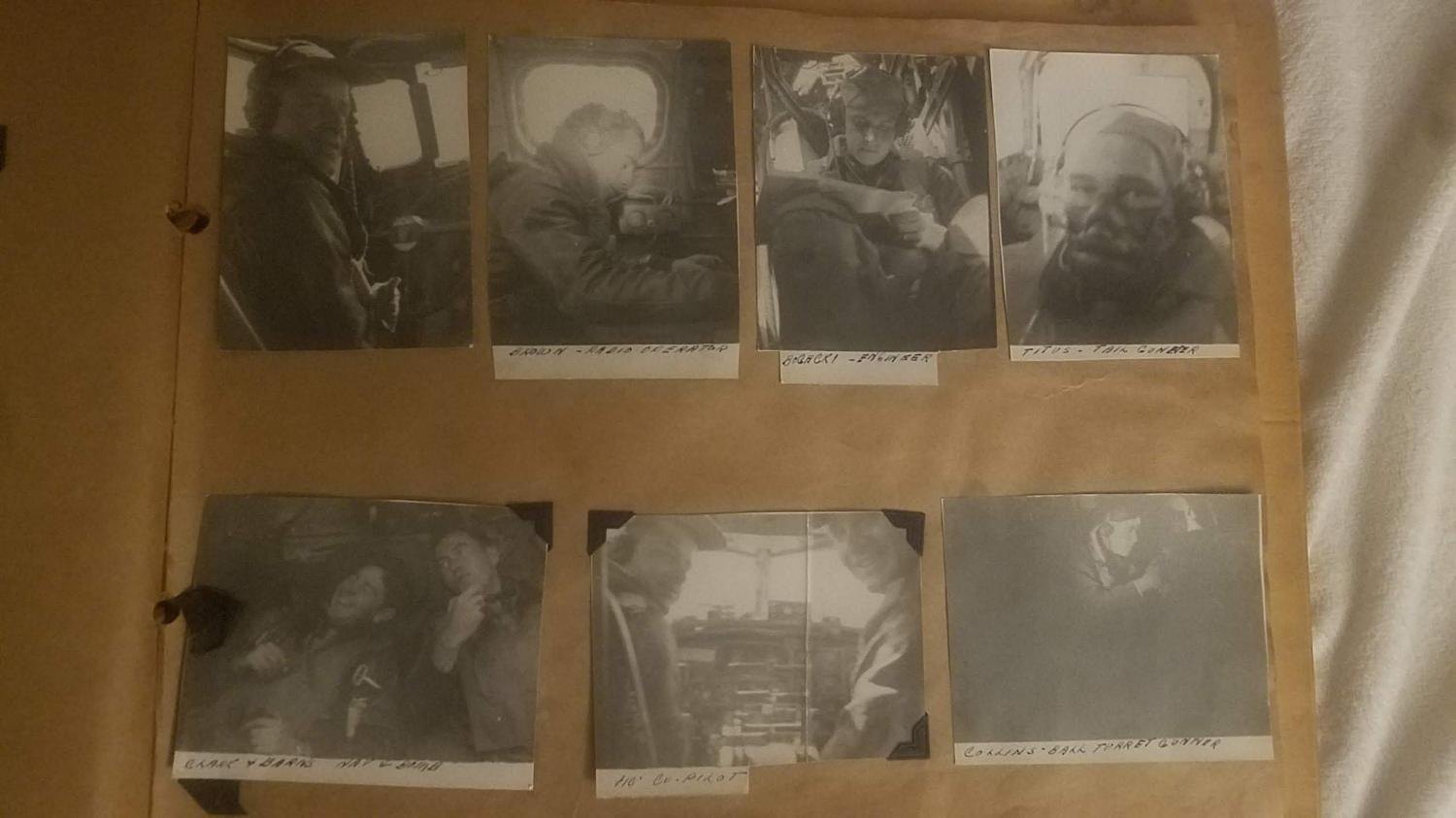
Photograph · 1945
At their stations
Family collection
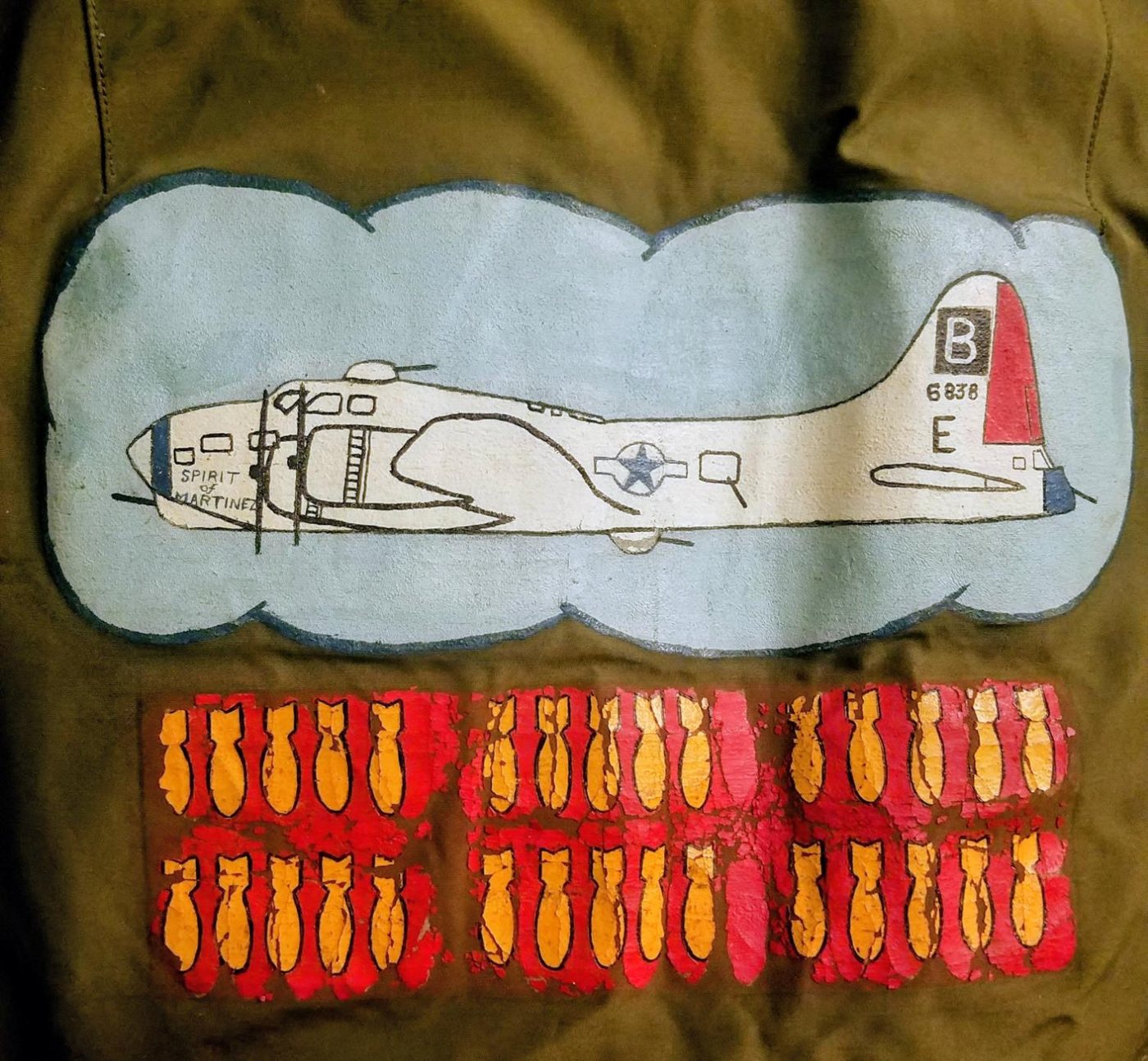
Object
The B-15
Family collection
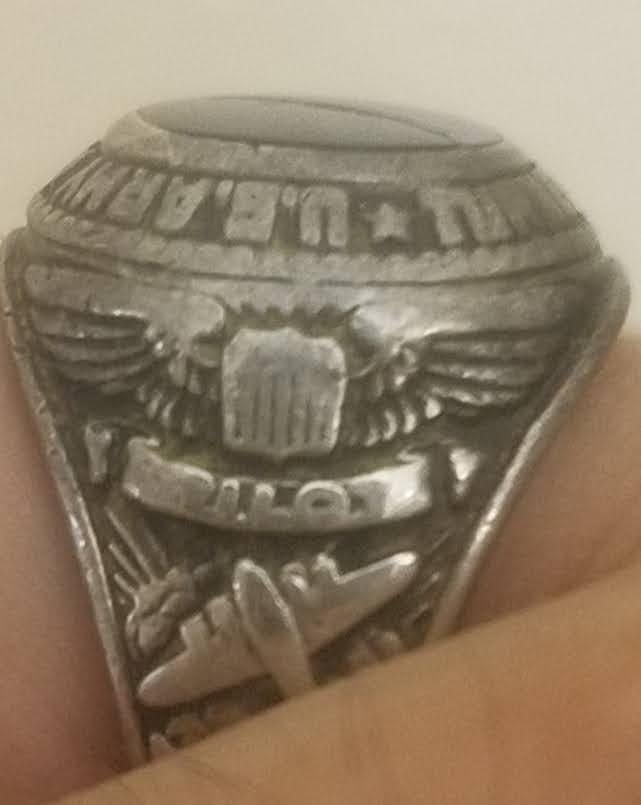
Object · April 1944
PILOT
Family collection
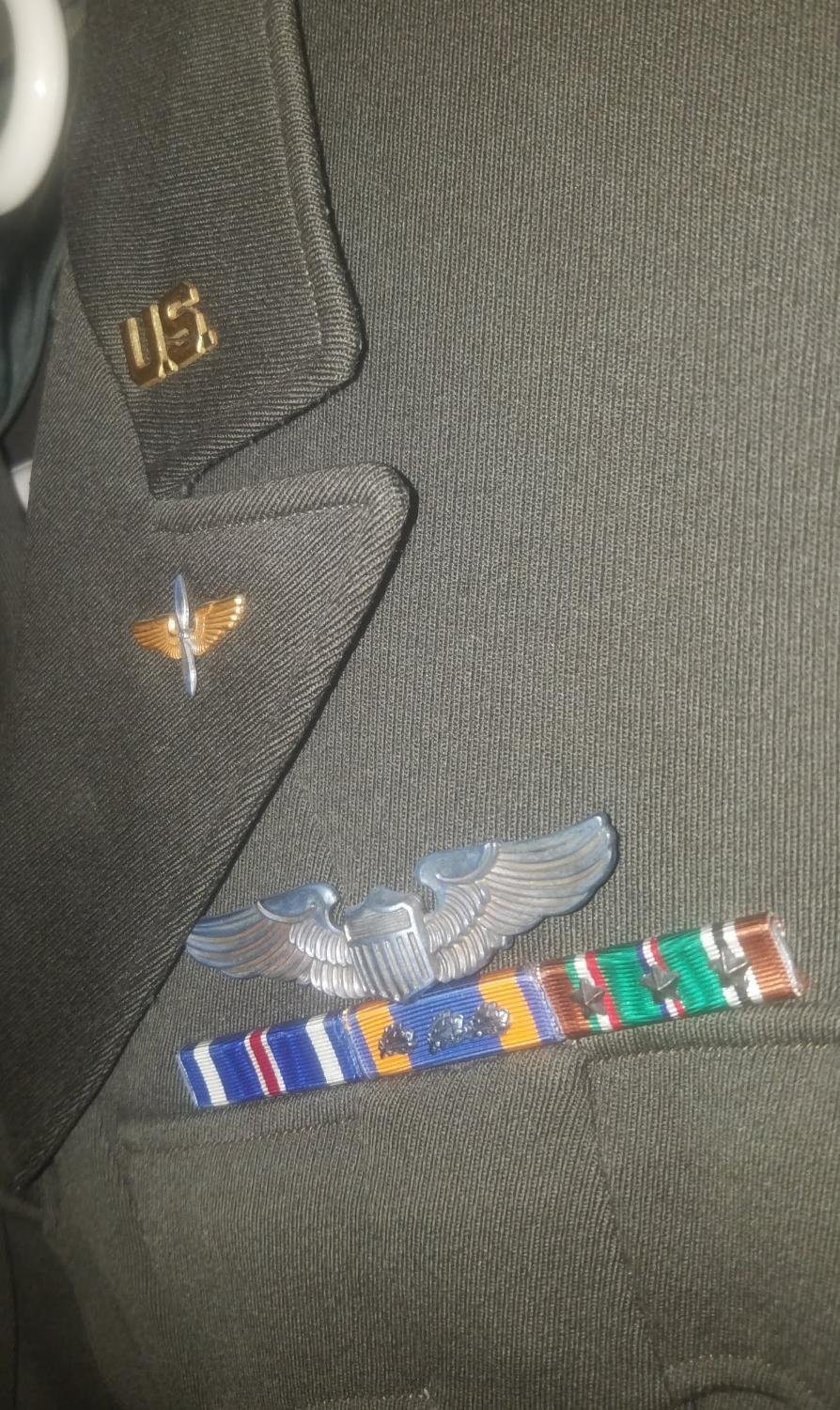
Object
The bar he mounted
Family collection
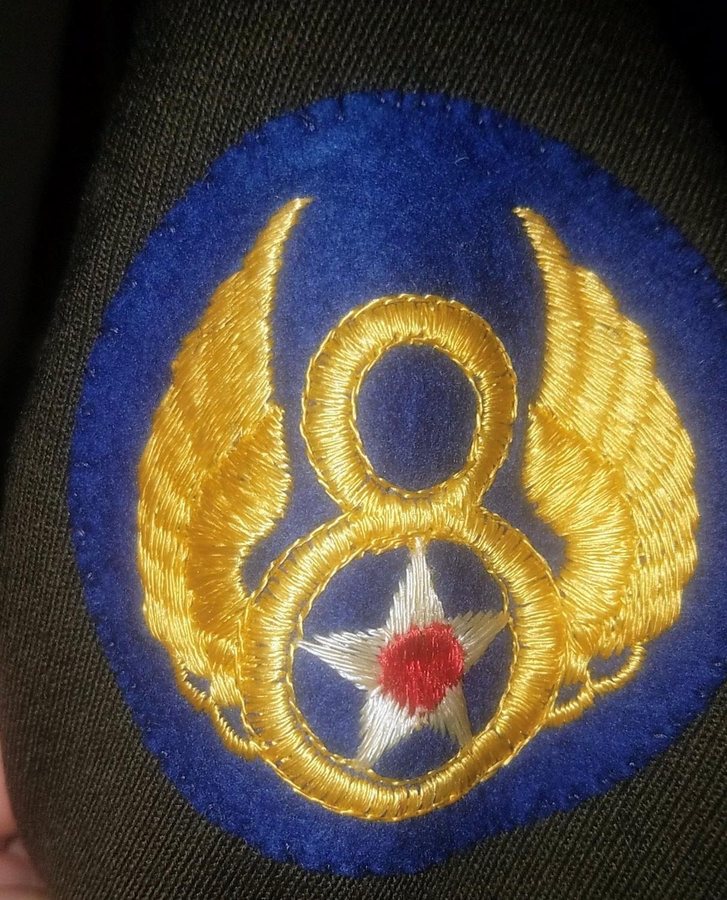
Object
Eighth Air Force patch
Family collection
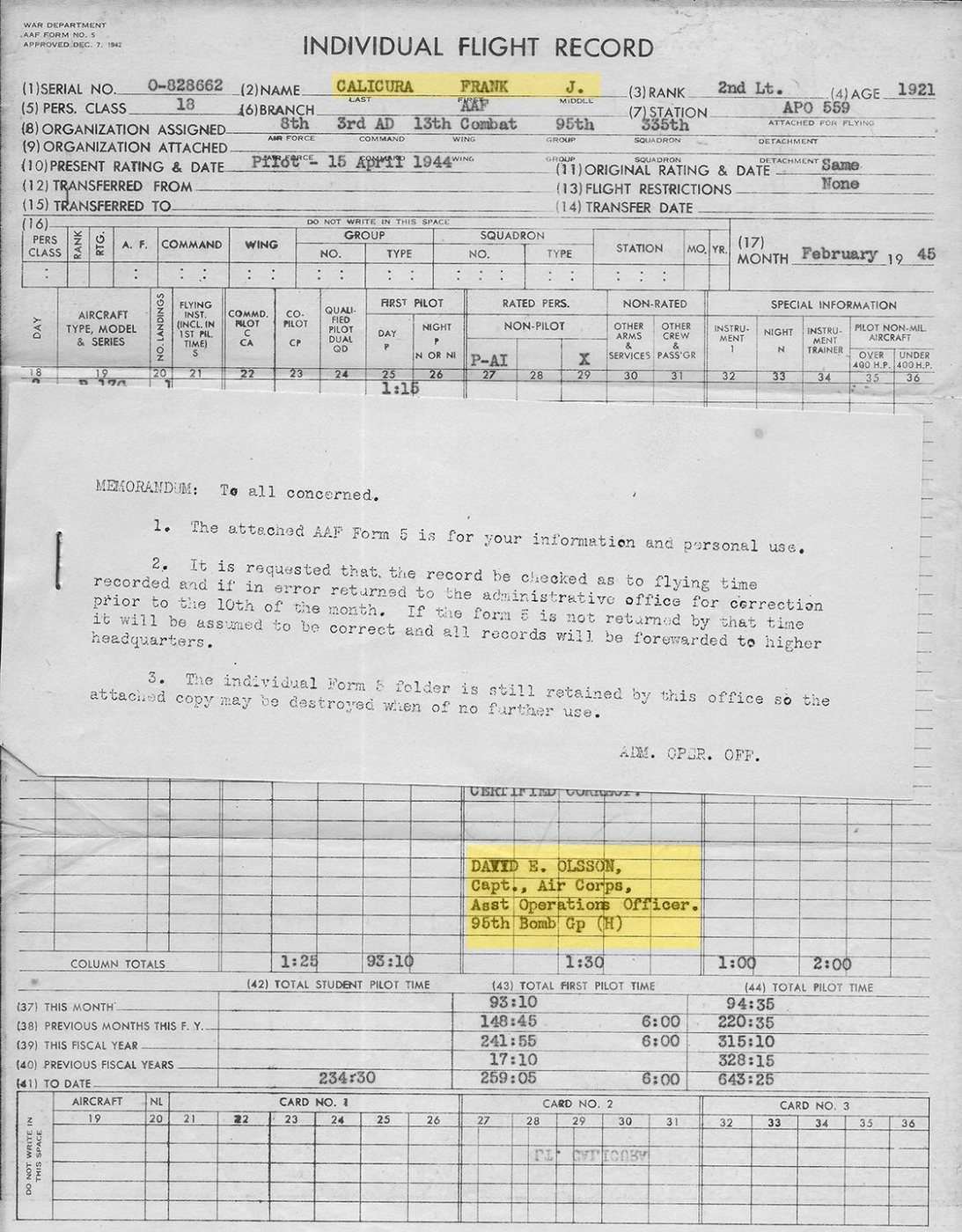
Object · February 1945
Individual Flight Record
Family collection
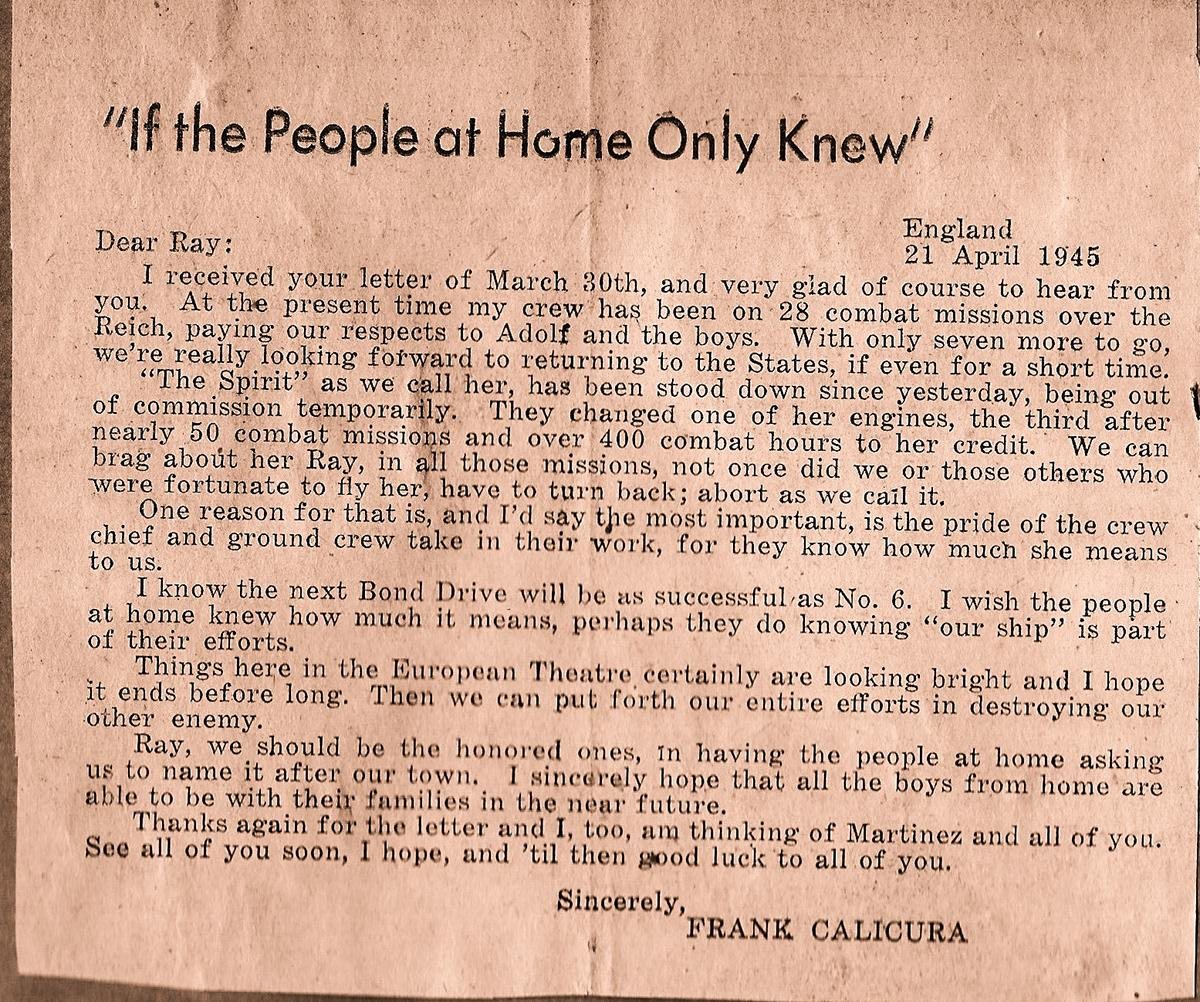
Object · 21 April 1945
If the People at Home Only Knew
Family collection
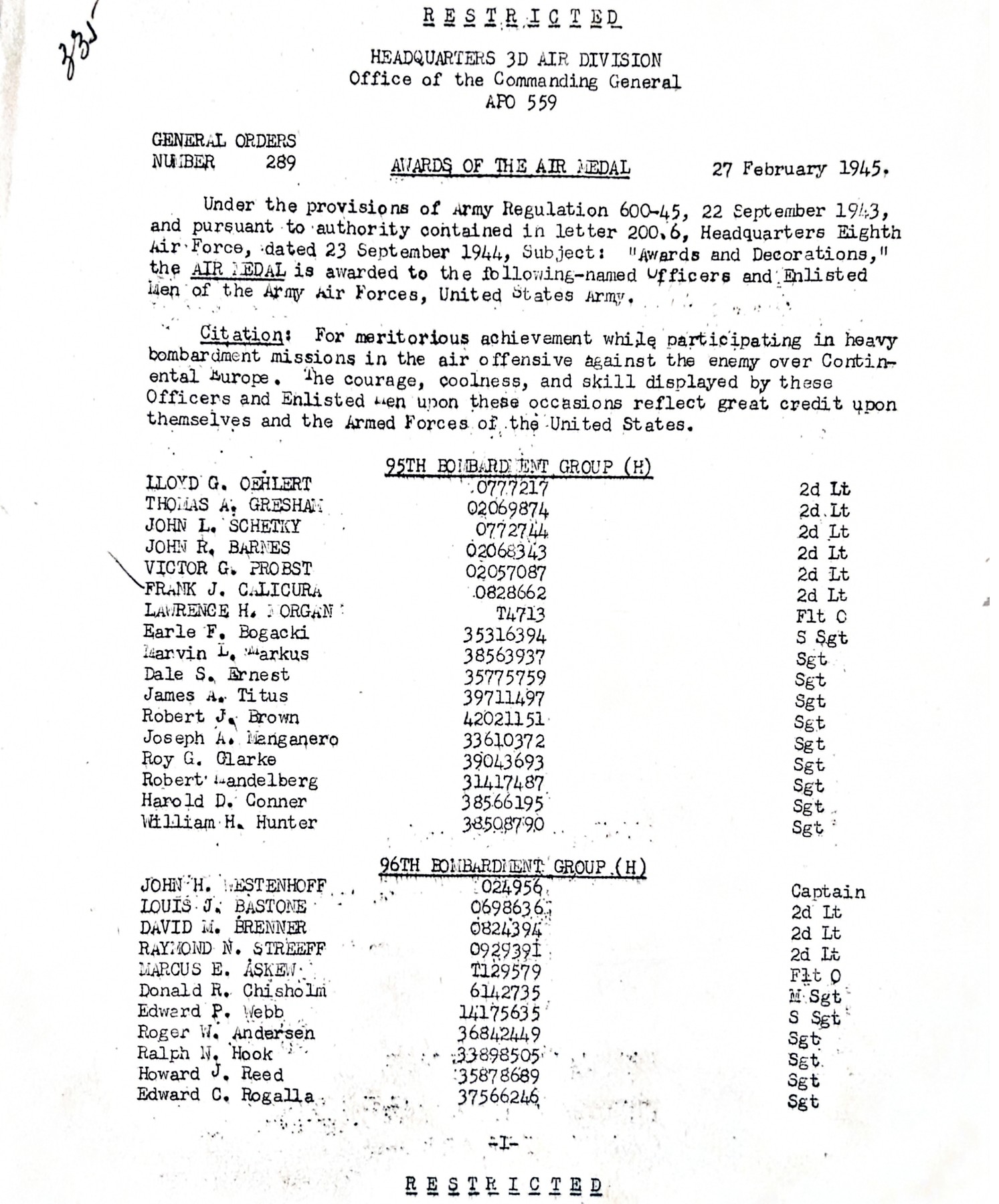
Object · 27 February 1945
General Orders 289
Family collection
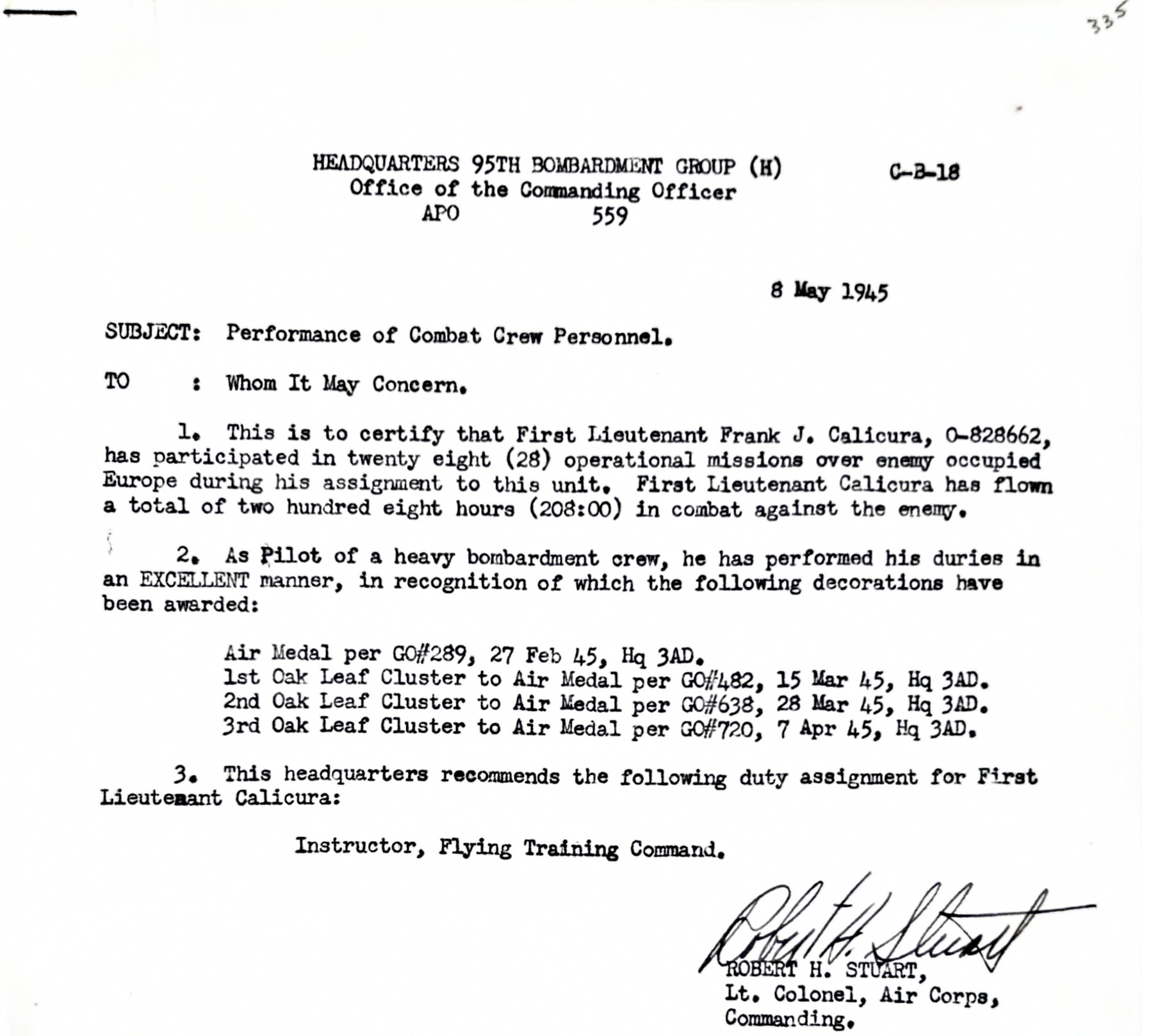
Object · 8 May 1945
Stuart’s memorandum
Family collection
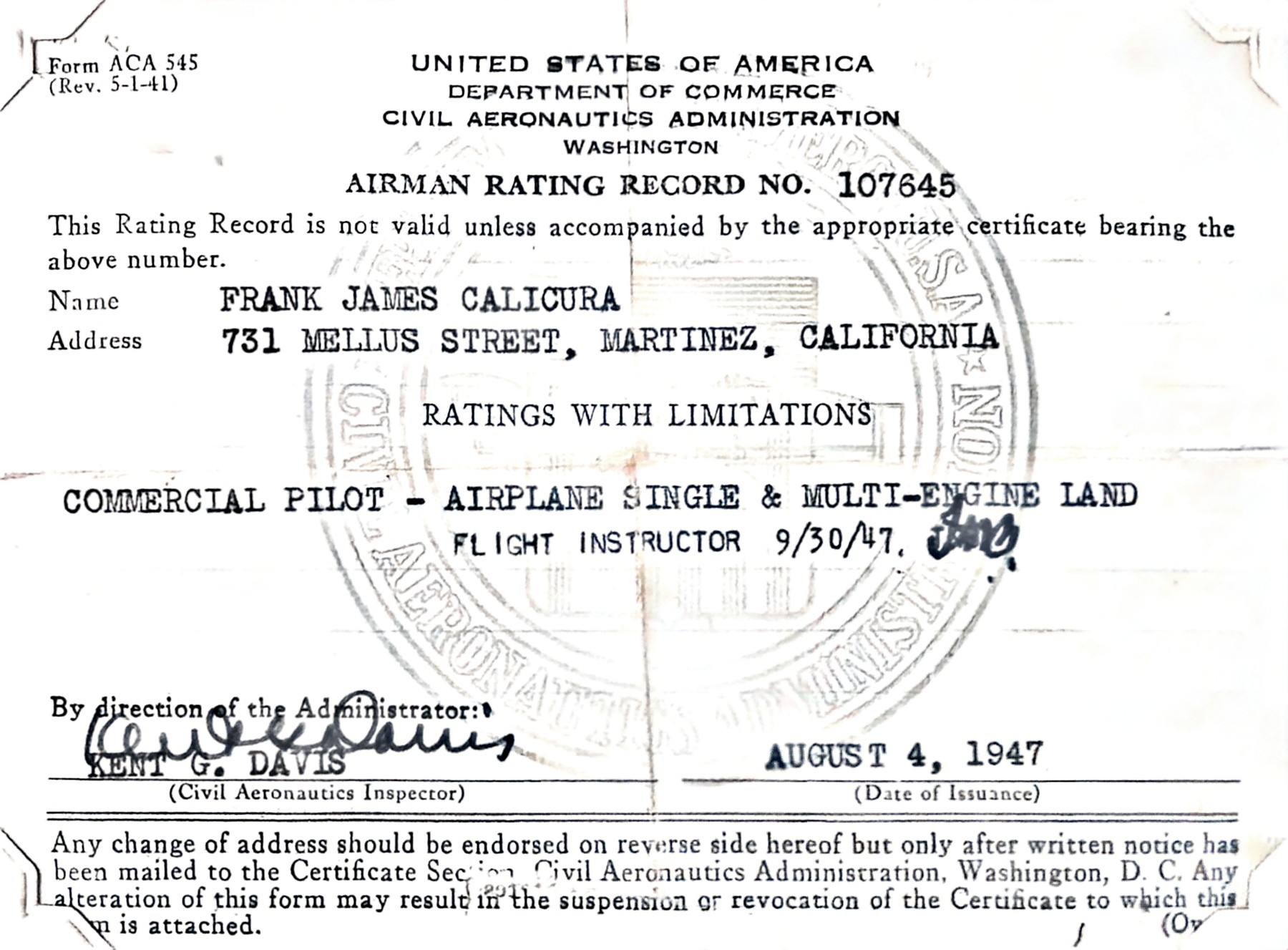
Object · 4 August 1947
Airman Rating Record
Family collection
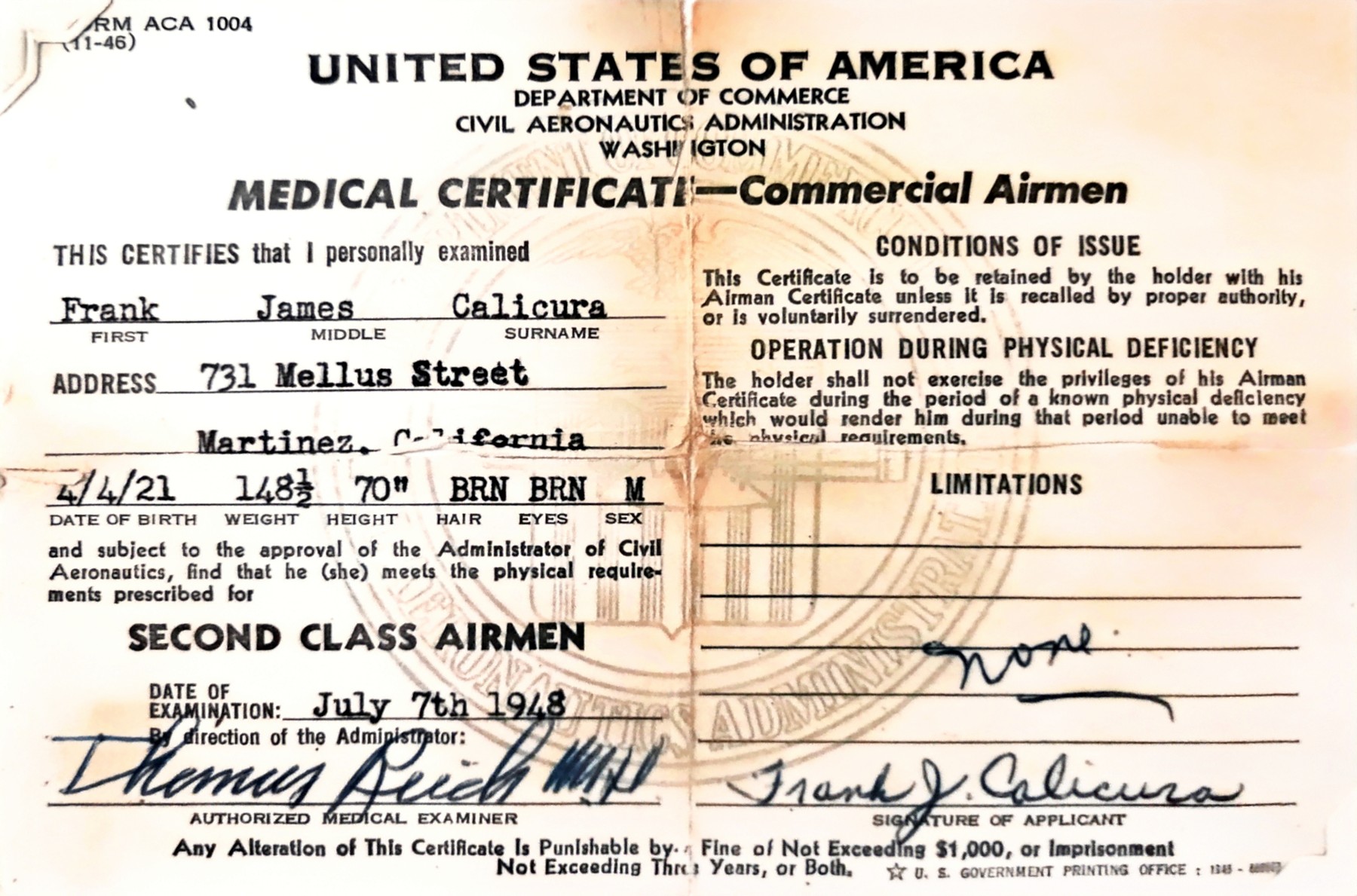
Object · 7 July 1948
CAA medical certificate
Family collection
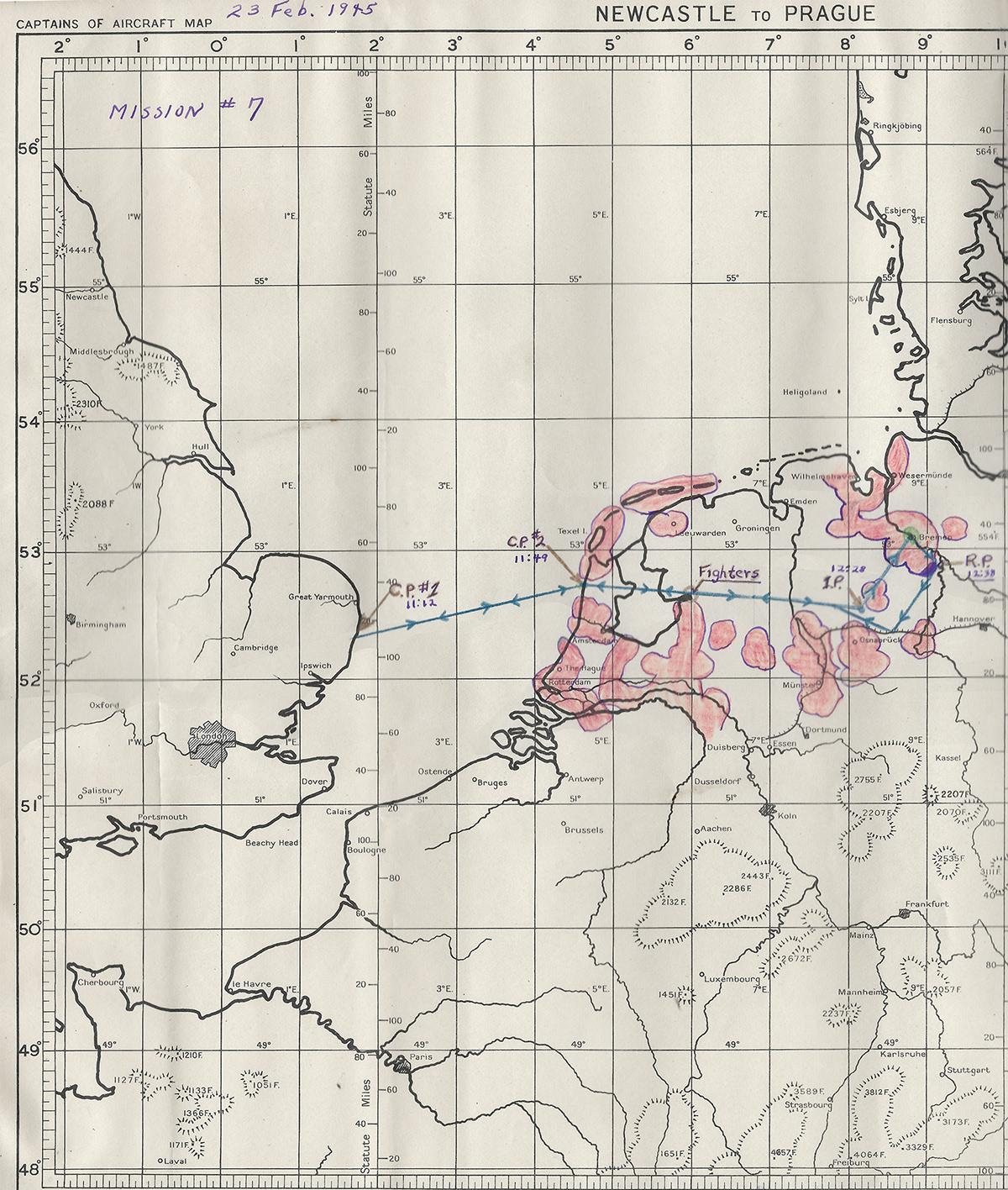
Object · 23 February 1945
Mission #7 map
Family collection


24 of 106 on this screen
Questions left open
These are not gaps awaiting a tidier draft. They are the points at which the surviving record stops.
Which classification center
The collection does not say which of the three Army Air Forces classification centers administered Frank’s battery. No assignment has been made on the strength of geography.
The thirtieth bomb
The jacket carries thirty symbols. Subtracting two missions in borrowed aircraft, the crew record accounts for twenty-nine.
The Distinguished Flying Cross
The headstone and the coat carry the ribbon. At least one archival summary of the service record does not list the award, and no citation has been located. The 1973 NPRC fire is the ordinary condition of that absence.
The origin of the back injury
A sworn statement places its onset at Avon Park in the autumn of 1944, before combat. The 1959 letter is capable of two readings and settles neither.
The seventeenth child
This book gives seventeen throughout, as the family does, and states at the outset that only sixteen can be documented. Either a seventeenth child was born later and went unrecorded, or an infant died young and is counted by the family but was never counted by the newspaper.
Which Treasure Island building
The Gazette records only that Sam Calicura Jr. and Charles Beatie purchased a building at the exposition grounds for hangar purposes. Treasure Island held both purpose-built aviation structures and the Gayway. No source identifies which.
What he understood of the ground
Nothing in the collection addresses what Frank Calicura understood, at the time, about the civilians beneath any of the targets he was sent to. Nothing has been supplied in its place.
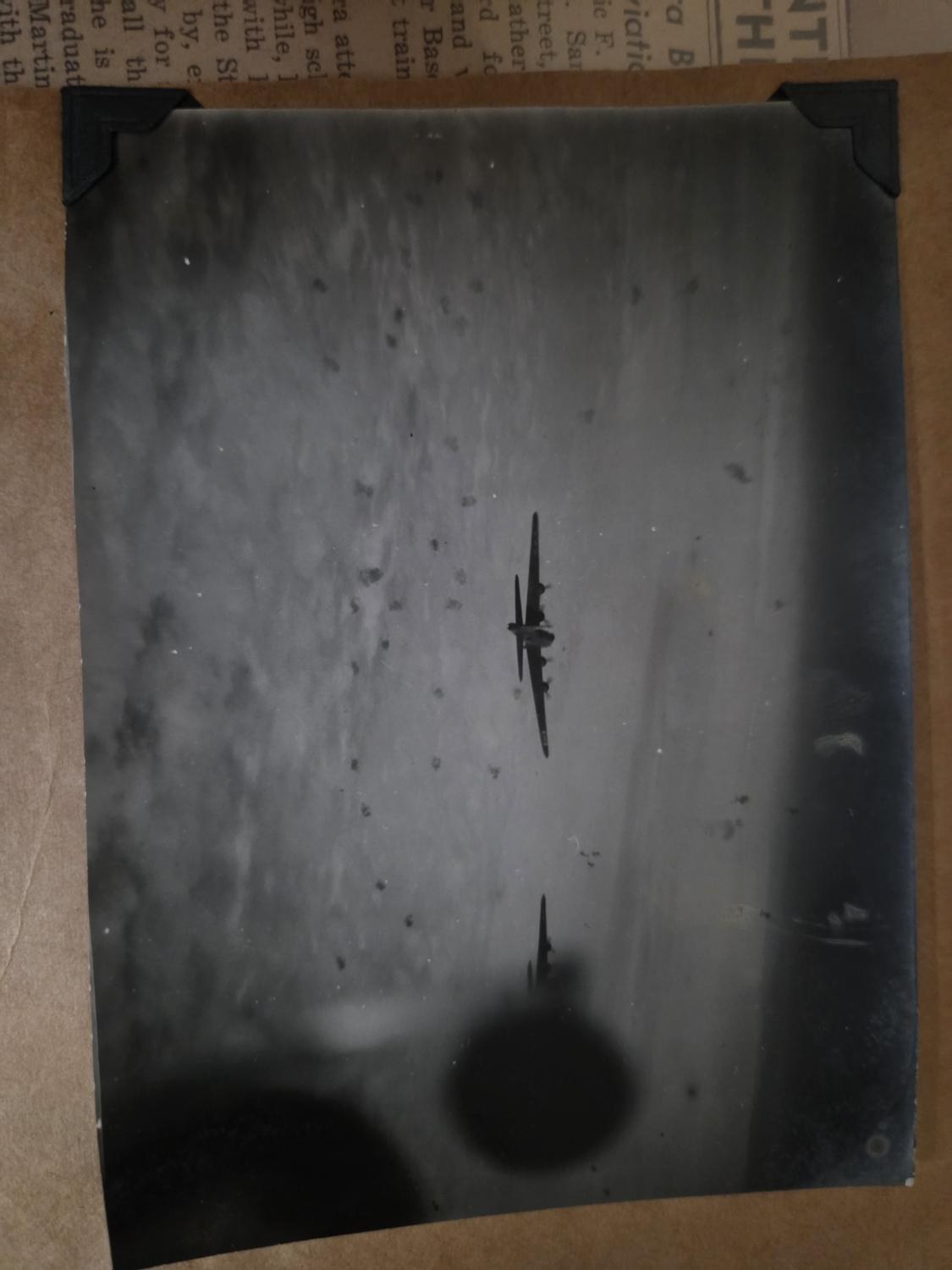
Where the aerial was taken
The family kept a strike photograph as somewhere in Germany. Strip fields, villages, woods, a rail line, bursts on a town with a rail yard. The print names no place and no date, and no mission has been matched to it.
Whether Dale Ernest is the unnamed witness
Ernest was at Avon Park in the claim’s window, and in Martinez the year the claim was decided. The connection is offered as likely, not documented.